September 9, 2026
A house fire can affect much more than the room where the flames first appear. Heat, smoke, soot, and water from firefighting efforts can spread throughout a property, affecting surfaces, belongings, and structural materials in multiple areas. Even rooms that appear relatively untouched may contain smoke residue, lingering odors, or moisture that requires professional attention.
Some areas of the home are particularly vulnerable because of their location, contents, or connection to common fire sources. Knowing where fire damage is most likely to occur can help homeowners recognize problems that may otherwise go unnoticed. A professional fire damage restoration assessment can then determine the extent of the damage and identify the appropriate steps for cleaning, repairs, and restoration.
1. Kitchen and Cooking Areas
Fire Damage Often Begins in the Kitchen
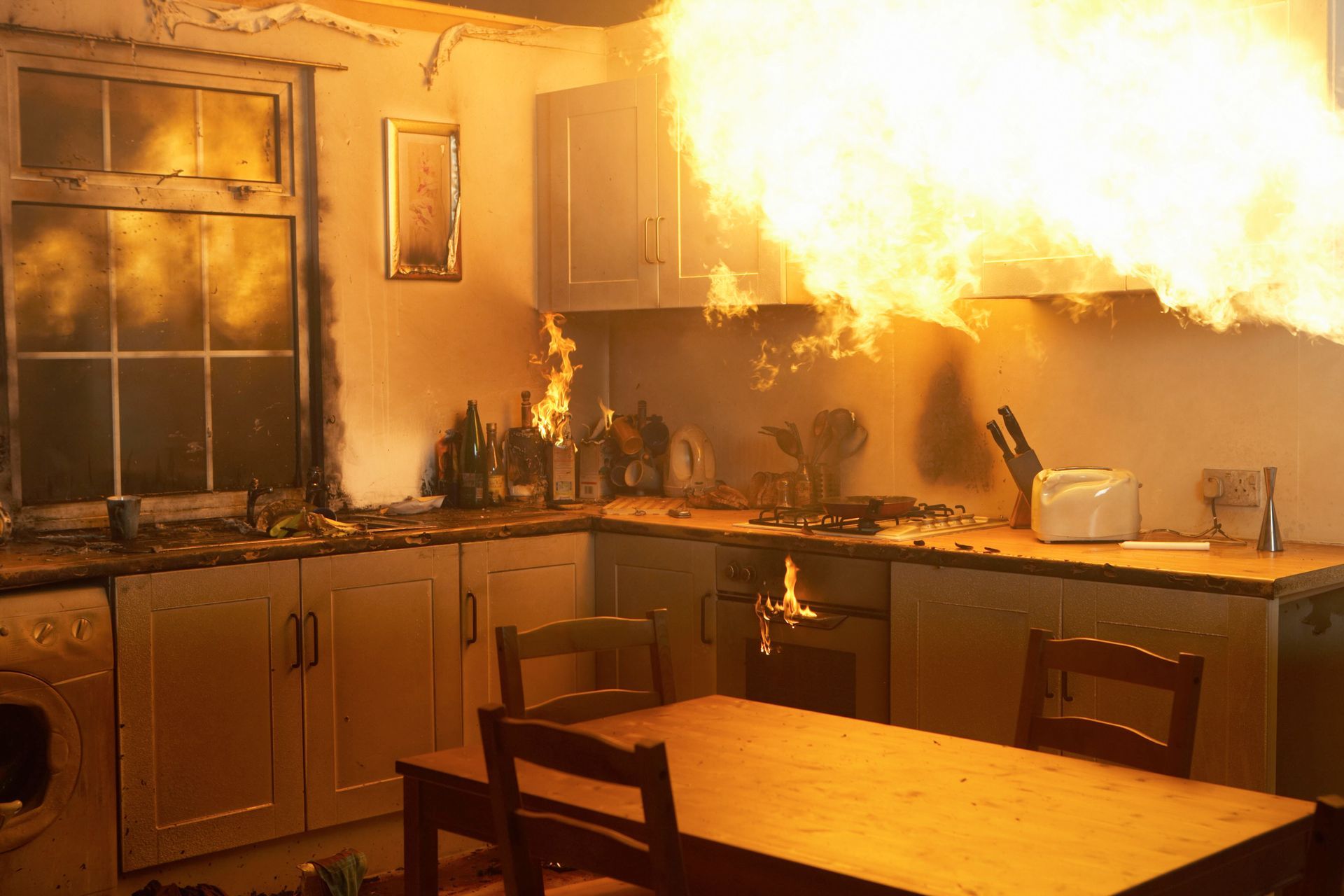
The kitchen is one of the most vulnerable areas of a home because cooking involves heat, open flames, electricity, and combustible materials. According to RubyHome, about 44% of house fires begin in the kitchen, with cooking being a leading cause. A fire that starts near a stovetop, oven, microwave, or other appliance can quickly affect cabinets, countertops, walls, ceilings, and nearby belongings.
Even when flames are contained to a relatively small area, the surrounding surfaces can experience substantial heat and smoke exposure. Smoke can travel through open doorways, ventilation pathways, and gaps around fixtures, leaving residue well beyond the immediate source. Professional fire damage restoration can help determine how far the effects have spread and which materials require cleaning, repair, or replacement.
Cabinets and Countertops Can Retain Residue
Kitchen cabinets and countertops can be particularly challenging to clean after a fire. Porous materials may absorb smoke odors, while soot can settle on finished surfaces and leave discoloration. Heat can also damage finishes, adhesives, hardware, and other components even when flames do not directly contact them.
Cleaning these materials requires more than simply wiping away visible residue. Restoration professionals can evaluate the condition of surfaces and determine appropriate cleaning methods based on the material and severity of exposure. This approach can help prevent soot and odor from remaining after the most obvious signs of fire have disappeared.
Firefighting Water Can Add Damage
Water used to extinguish a kitchen fire can create another layer of property damage. Cabinets, flooring, drywall, insulation, and other materials may absorb moisture during firefighting efforts. If water remains trapped in building materials, additional deterioration can occur after the flames have been extinguished.
A comprehensive restoration process addresses both fire-related and water-related concerns. Professionals can identify areas affected by moisture, remove damaged materials when necessary, and begin drying and cleanup. Addressing these issues together helps create a more complete recovery plan instead of treating the visible fire damage as an isolated problem.
2. Living Rooms and Common Areas
Smoke Can Spread Far Beyond the Fire
Living rooms, dining areas, hallways, and other common spaces can be affected even when the fire originates somewhere else. Smoke naturally moves through a home, and its residue can settle on walls, ceilings, furniture, flooring, decorations, and other belongings. Odors may also remain in these spaces after the air appears clear.
Because smoke damage can extend beyond the room where the fire occurred, fire damage restoration typically involves evaluating the surrounding areas as well. Technicians can inspect surfaces and contents for soot, staining, and odor that may not be immediately apparent. Thorough cleaning can help address residue before it becomes more difficult to remove.
Furniture and Personal Belongings May Be Affected
Furniture, artwork, clothing, electronics, and other household possessions can suffer damage from smoke and soot. Items near the fire may also experience heat exposure, while belongings farther away can absorb smoke odors. Some materials can be cleaned and restored, while others may require replacement depending on their condition.
Content cleaning and restoration can help property owners determine what can be salvaged. Professionals can document affected belongings, assess the extent of damage, and use appropriate cleaning methods for different materials. This process is especially important when smoke has affected a large number of household items throughout several rooms.
Walls and Ceilings Can Show Hidden Effects
Walls and ceilings can retain smoke residue even when there is little visible discoloration. Soot may collect on painted surfaces, trim, doors, and other structural components. Heat can also cause cracking, warping, or other damage that may require repairs beyond standard cleaning.
A professional inspection can help identify areas that need attention before restoration work progresses. Depending on the circumstances, the process may include surface cleaning, odor treatment, repairs, or replacement of severely damaged materials. Coordinating these tasks can make the restoration process more organized and reduce the possibility of overlooking affected areas.
3. Attics, Bedrooms, and Upper Areas
Smoke and Heat Can Travel Upward
Upper levels of a home can be affected by smoke and heat even when the fire begins downstairs. Smoke can rise through stairways, wall cavities, openings, and other pathways, allowing residue and odor to reach bedrooms, hallways, and attic spaces. This means a room that shows little visible damage may still require careful evaluation.
Attics can present additional concerns because insulation, structural components, stored belongings, and other materials may be exposed to smoke or heat. Fire damage restoration professionals can inspect these less-visible areas to determine whether cleaning, deodorization, repairs, or removal of damaged materials is necessary.
Bedrooms Can Contain Absorbent Materials
Bedrooms often contain mattresses, upholstered furniture, carpeting, clothing, bedding, curtains, and other materials capable of absorbing smoke odors. Even when flames never enter a bedroom, smoke exposure can affect these belongings and make the room unpleasant to use. Soot can also settle on surfaces throughout the space.
A fire damage restoration service can evaluate bedroom contents individually rather than assuming every affected item requires the same treatment. Some possessions may respond well to specialized cleaning, while heavily damaged materials may need to be discarded. Careful assessment can help preserve salvageable belongings while addressing items that cannot be effectively restored.
Structural Damage Requires Careful Assessment
Fire can weaken structural materials through direct flame exposure, prolonged heat, or water used during suppression. Roof components, framing, drywall, insulation, and other building materials may require inspection before a property can be considered safe for normal use. Damage can sometimes extend into areas that are difficult to evaluate through a simple visual inspection.
Safety should remain a priority throughout the recovery process. Restoration professionals can assess affected areas, identify potential hazards, and coordinate cleaning and structural repairs as needed. When rebuilding is necessary, a full-service contractor can help manage the transition from initial cleanup to reconstruction, creating a more coordinated path toward restoring the home.
A fire can leave behind a combination of structural damage, smoke residue, persistent odors, damaged belongings, and moisture from firefighting efforts. Because these problems can affect multiple rooms at once, addressing only the area where the flames were visible may leave important issues unresolved. A thorough inspection can establish the actual scope of the damage.
Professional fire damage restoration can bring together smoke and soot removal, content cleaning, odor elimination, water mitigation, structural repairs, and reconstruction. Restoration professionals can also document conditions and losses, which may help property owners navigate the insurance process. Prompt action can limit additional deterioration and help establish a clear plan for recovery. Contact RESTORx for professional fire damage restoration and take the first step toward restoring your home.