August 18, 2026
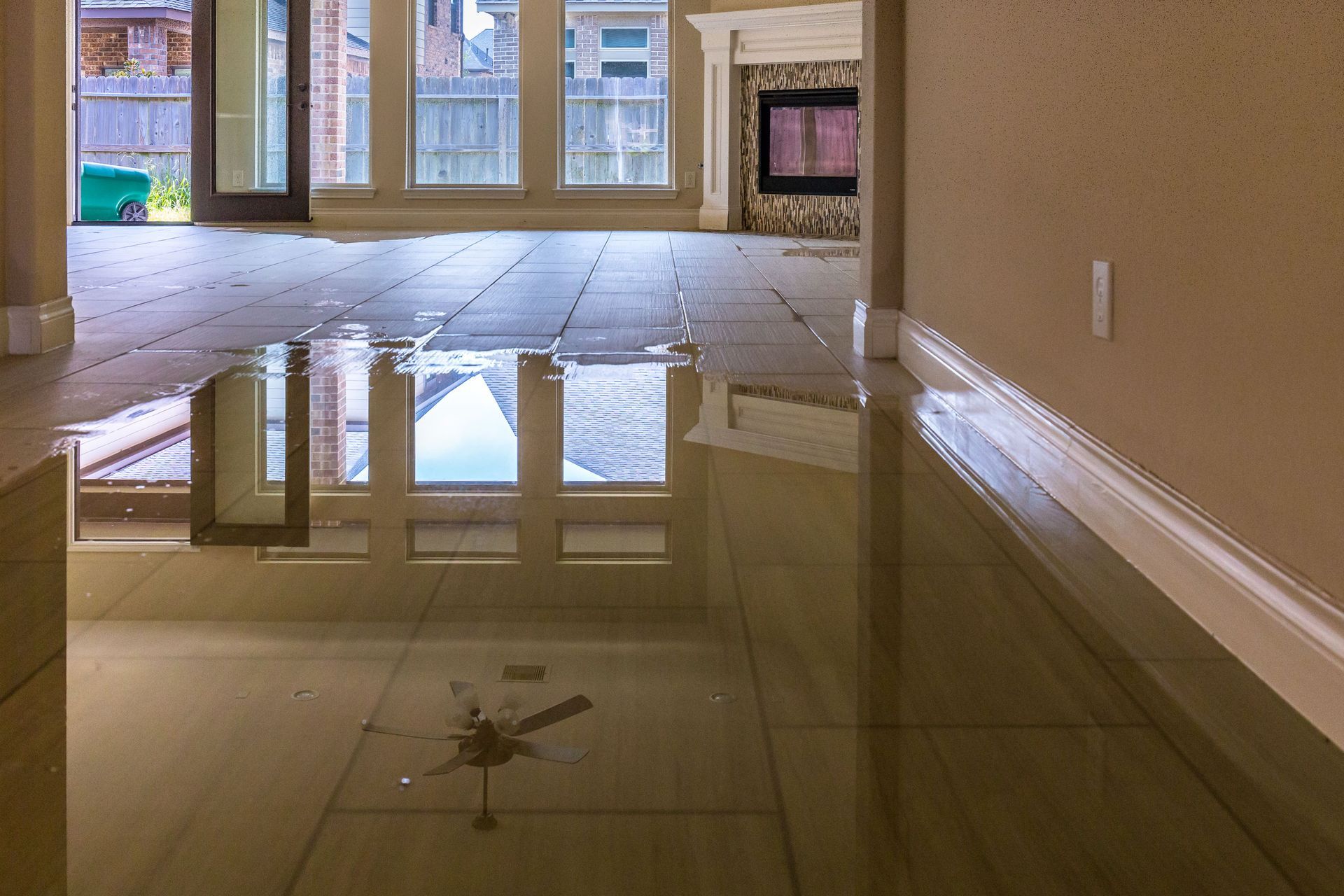
Water intrusion inside a property can transform a regular day into a stressful cleanup operation in a matter of minutes. Whether a pipe breaks, an appliance overflows, or stormwater seeps into the foundation, the presence of unwanted liquid creates immediate challenges. Understanding how water impacts building materials helps property owners react appropriately during these unexpected situations. Professional water damage restoration addresses the immediate mess while protecting the structural elements of a building. Identifying the specific type of water involved dictates every action taken during the cleanup process. Water classification depends on the source, contamination level, and duration of exposure. By learning the distinctions between clean, grey, and black water, property owners can better evaluate the situation and coordinate effectively with cleanup professionals.
Category One: Clean Water Fundamentals
Clean water represents the least hazardous type of liquid intrusion inside a structure. This category originates from sanitary sources that do not pose an immediate health threat to humans or pets. Common sources include broken supply lines, overflowing sinks without contaminants, falling rainwater entering through a roof leak, and melting snow. Because category one water is free from sewage or chemical pollutants, addressing it quickly prevents major structural harm. However, clean water does not remain clean indefinitely. If left untreated inside walls, carpeting, or flooring, room temperature and ambient moisture cause rapid degradation. Professional water damage restoration focuses on extracting the liquid immediately and using heavy-duty drying equipment to prevent secondary complications.
Category Two: Greywater Dynamics
Greywater contains a significant degree of physical, chemical, or biological contamination. Exposure to category two water can cause discomfort or illness if ingested or touched. Typical sources include discharge from dishwashers, washing machine overflows, toilet bowls containing urine but no feces, and sump pump failures. The presence of detergents, food particles, skin cells, and minor chemicals changes the cleanup requirements dramatically. Materials saturated with greywater demand thorough cleaning, sanitizing, and careful evaluation. When performing professional water damage restoration, crews must take extra precautions to contain contaminated moisture and prevent cross-contamination to unaffected areas of the property.
Category Three: Blackwater Hazards
Blackwater is highly unsanitary and poses severe health risks to anyone in contact with the affected area. This category includes water originating from sewage back-ups, seawater, rising water from rivers or streams, and ground surface water flowing into a structure. Blackwater carries harmful pathogens, bacteria, parasites, fungal spores, and dangerous chemicals. Absorptive materials like carpets, padding, drywall, and insulation exposed to blackwater generally cannot be saved and must be removed safely. During professional water damage restorations, strict safety standards are enforced. Cleanup crews wear protective gear and utilize advanced containment barriers to protect the rest of the facility during thorough decontamination and structural repairs.
Category Degradation and Time Sensitivity
Water categories are not static; they degrade over time due to environmental factors and bacterial growth. Clean water left standing for more than forty-eight hours can easily transition into greywater as it dissolves organic materials from building components. Similarly, greywater left unmanaged can transform into dangerous blackwater in a short timeframe. Stagnant moisture mixed with indoor warmth creates an ideal environment for microorganisms to multiply rapidly. Prompt professional water damage restorations stop this degradation process in its tracks. By accelerating extraction and drying right away, property managers reduce overall structural loss and avoid the elevated risks associated with higher contamination levels.
Financial Impacts Across Categories
The overall cost of structural drying and repair correlates directly with the classification of the water involved. Category one clean water is the cheapest to clean up, while categories two and three present more of a health risk and require special care with added costs. According to HomeGuide, category one clean water is the cheapest to clean up, while categories two and three present more of a health risk and require special care with added costs. Higher categories require labor-intensive removal techniques, strict containment measures, disposal of porous items, and extensive antimicrobial applications. Timely response minimizes the financial burden by keeping clean water from advancing into more expensive contamination classifications.
Structural Implications for Buildings
Water impacts various building materials differently depending on their porosity and composition. Subflooring, drywall, plaster, and wooden framing absorb liquid rapidly through capillary action. Saturated drywall loses structural integrity and collapses, while wooden studs warp, twist, and split under prolonged moisture exposure. Professional water damage restorations involve monitoring moisture levels deep inside walls and structural assemblies using non-invasive meters. By tracking moisture migration paths, technicians ensure every concealed pocket of dampness is located and thoroughly dried, preserving the structural frame of the building.
Health and Environmental Considerations
The health consequences of water intrusion depend heavily on the contamination class and exposure duration. Inhaling airborne particles, bacteria, or mold spores originating from contaminated moisture can trigger respiratory irritation, allergies, and illness. Category two and category three events introduce pathogens directly into indoor environments, requiring thorough sanitizing. Professional water damage restorations ensure air quality is protected throughout the cleanup effort. Utilizing high-efficiency particulate air filtration units and commercial air scrubbers removes airborne contaminants while surfaces are cleaned and disinfected.
Advanced Diagnostic Tools and Drying Techniques
Locating hidden moisture behind finished surfaces requires continuous monitoring and accurate measurement tools. Water travels along structural plates, down interior studs, and beneath floor coverings, often remaining invisible to the naked eye. Infrared thermal imaging cameras detect temperature differences created by evaporation, highlighting hidden dampness instantly. Moisture meters confirm exact hydration percentages inside wood and masonry. Professional water damage restorations rely on high-volume air movers paired with industrial dehumidifiers to create optimal drying conditions. Controlling relative humidity and vapor pressure pulls trapped moisture out of building materials safely.
Restoration and Property Recovery Steps
Returning a property's condition to how it was before the damage involves a multi-stage process designed to restore safety, utility, and appearance. After initial assessments determine the water classification, extraction equipment removes the bulk liquid. Structural drying devices are deployed to balance room moisture levels. Once materials reach dry standards, remaining surfaces are disinfected and deodorized. Damaged building elements, such as ruined baseboards or compromised drywall sections, are replaced during the reconstruction phase. Professional water damage restorations coordinate these steps seamlessly to return residential and commercial properties to full functionality as quickly as possible.
Preventative Maintenance for Water Protection
While sudden plumbing failures or natural events cannot always be predicted, ongoing facility maintenance reduces overall vulnerability. Regularly inspecting appliance supply hoses, monitoring water pressure, clearing drainage lines, and maintaining sump pump systems mitigate common failure points. Property owners who establish regular maintenance routines can catch minor leaks before they turn into major flooding events. When unexpected disasters do occur, swift action combined with professional water damage restorations ensures the building is properly dried, disinfected, and repaired, safeguarding long-term property values.
Understanding the differences between clean, grey, and black water provides essential perspective when managing property emergencies. Each water category carries distinct health risks, structural challenges, and cleanup requirements that dictate the appropriate response strategy. Delaying action allows liquid to migrate further into building materials, causing rapid category degradation and higher repair costs. Professional water damage restorations resolve the intrusion safely and systematically, ensuring all hidden moisture is removed and interior air quality is preserved. Protecting property value and structural integrity depends on prompt, informed decision-making whenever water enters a building unexpectedly.
When water impacts your property, immediate action is essential to contain damage and protect your facility. Contact RESTORx to connect with our experienced professionals who can evaluate your situation, deploy advanced drying technology, and handle complete cleanup and restoration services today.