September 17, 2026
This article aims to provide a comprehensive guide on what homeowners and property managers can expect during the fire damage restoration process. Understanding each aspect of restoration can help in managing expectations and ensuring that your property is restored efficiently and effectively. With fire damage restoration, you're not only looking at repairs but also a myriad of processes that aim to return your property to its pre-fire condition. It's a daunting task, but a well-prepared plan can streamline the efforts. In this guide, we will cover everything from initial assessment to final inspection, ensuring that you are equipped with the knowledge needed during this challenging time.
Understanding Fire Damage
Types of Fire Damage
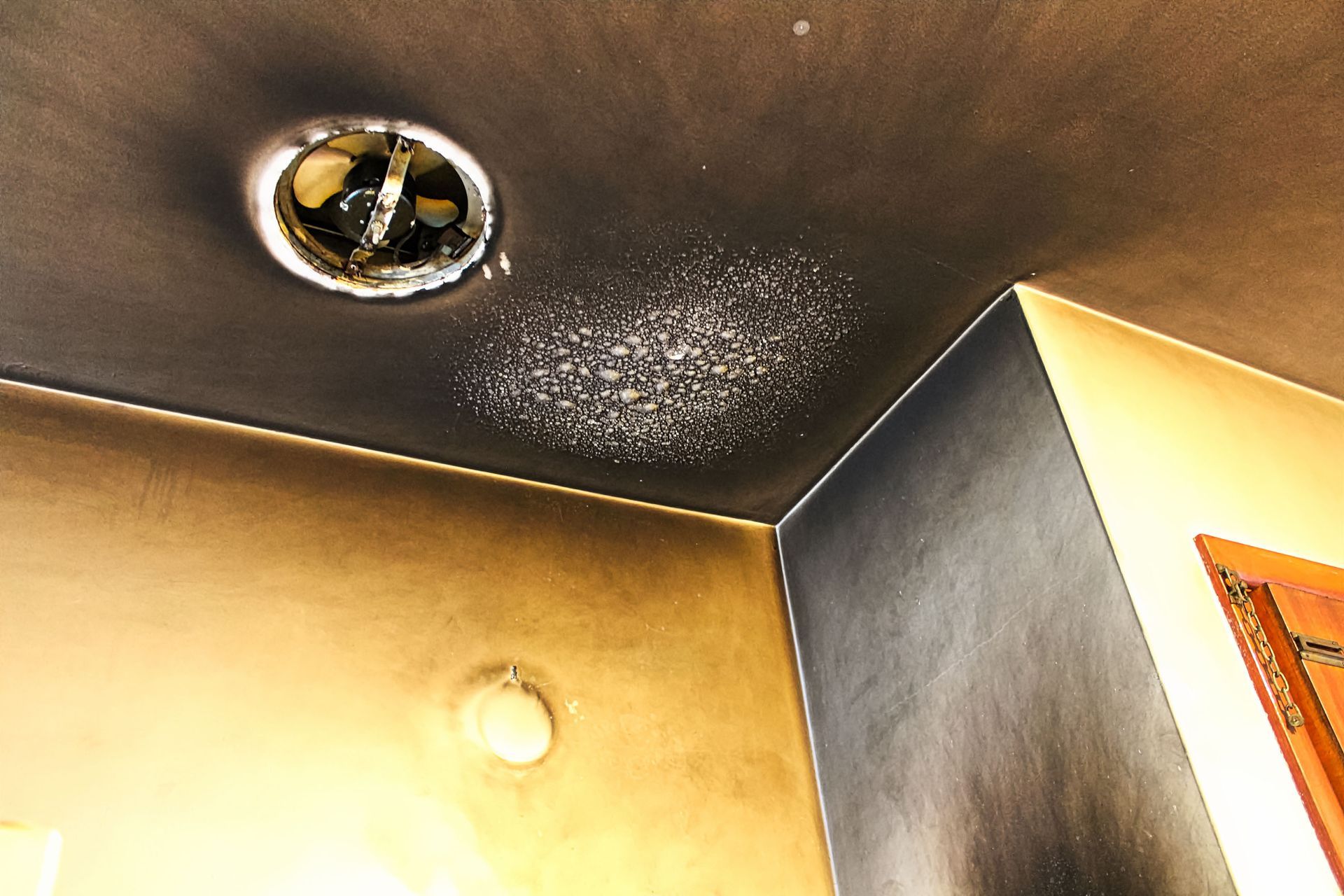
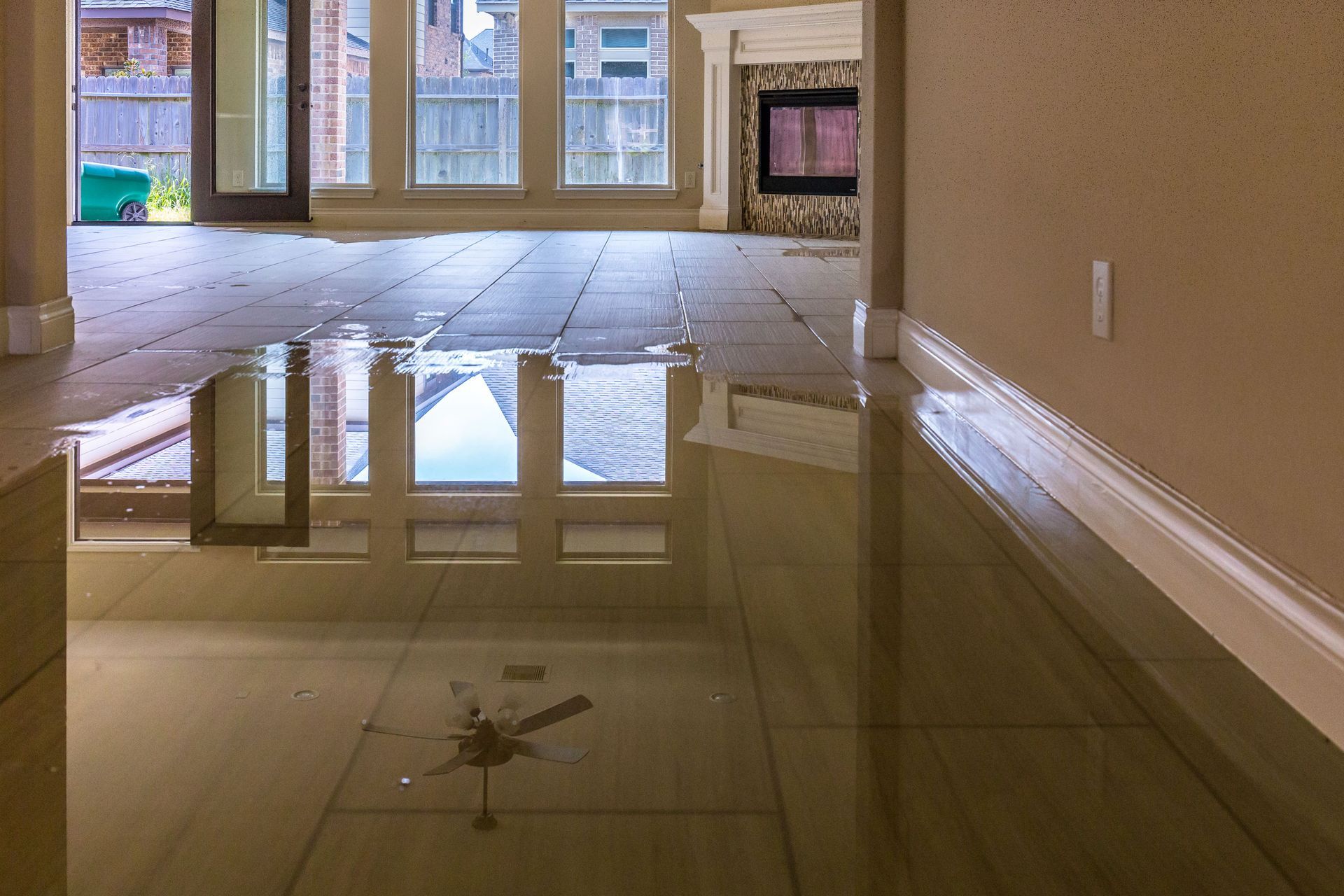
Fire damage can be categorized into thermal damage, smoke damage, and water damage. Thermal damage is the most immediately visible, with charred structures and melted materials. Smoke damage, though not as visible, is often more pervasive, affecting walls, furniture, and ventilation systems with soot and odor. Water damage results from firefighting efforts and can lead to further complications like mold growth if not promptly addressed. Each type requires its own treatment methods to ensure proper restoration.
Thermal damage, being directly associated with the intensity and proximity of the fire, typically affects items closest to the fire. Moreover, materials like wood and fabric are more susceptible to burning and charring. On the other hand, smoke damage can impact areas not directly in contact with flames, thanks to the ability of smoke particles to travel through spaces like vents and ceilings. Similarly, water damage may not seem immediately critical but contributes to structural weakening over time. A thorough understanding of these types is crucial for effective restoration.
The extent of the damage often varies depending on the fire’s intensity and duration. For minor fires, repairing damage could take as little as one week, according to Home Advisor. In contrast, extensive damage impacting multiple areas might require several months for full restoration. Restorers must identify which type of damage is most prevalent to prioritize efforts. An accurate diagnosis ensures that resources are allocated efficiently, minimizing restoration time and costs.
Short-term vs Long-term Effects
The effects of fire damage can be immediate, with visible destruction, and long-term, with underlying issues that may surface later. Short-term effects include visible damage such as burnt walls and furniture, water pooling, and contaminated air. These need immediate attention to prevent further damage. Conversely, long-term effects might include structural instability, hidden moisture leading to mold, and persistent odors that linger if not treated properly. Understanding these can help prioritize restoration activities.
Ignoring immediate signs of fire damage can escalate into significant problems. For instance, water left standing can seep into foundations, creating warping or settling that undermines structural integrity. Similarly, unaddressed smoke saturation can lead to prolonged health issues and compromised air quality. Early intervention is crucial to mitigate these long-standing impacts. Restoration professionals equipped with detection tools can identify and address these less-visible issues.
Timely assessment and repair can distinguish between successful restoration and prolonged issues for homeowners. Recognizing both short-term and long-term implications underscores the importance of thorough, professional evaluation following a fire. As each element of the damage has varying impacts over time, a holistic restoration approach is necessary. This ensures that no element of fire damage is overlooked, preserving the value and safety of the property.
Commonly Affected Areas
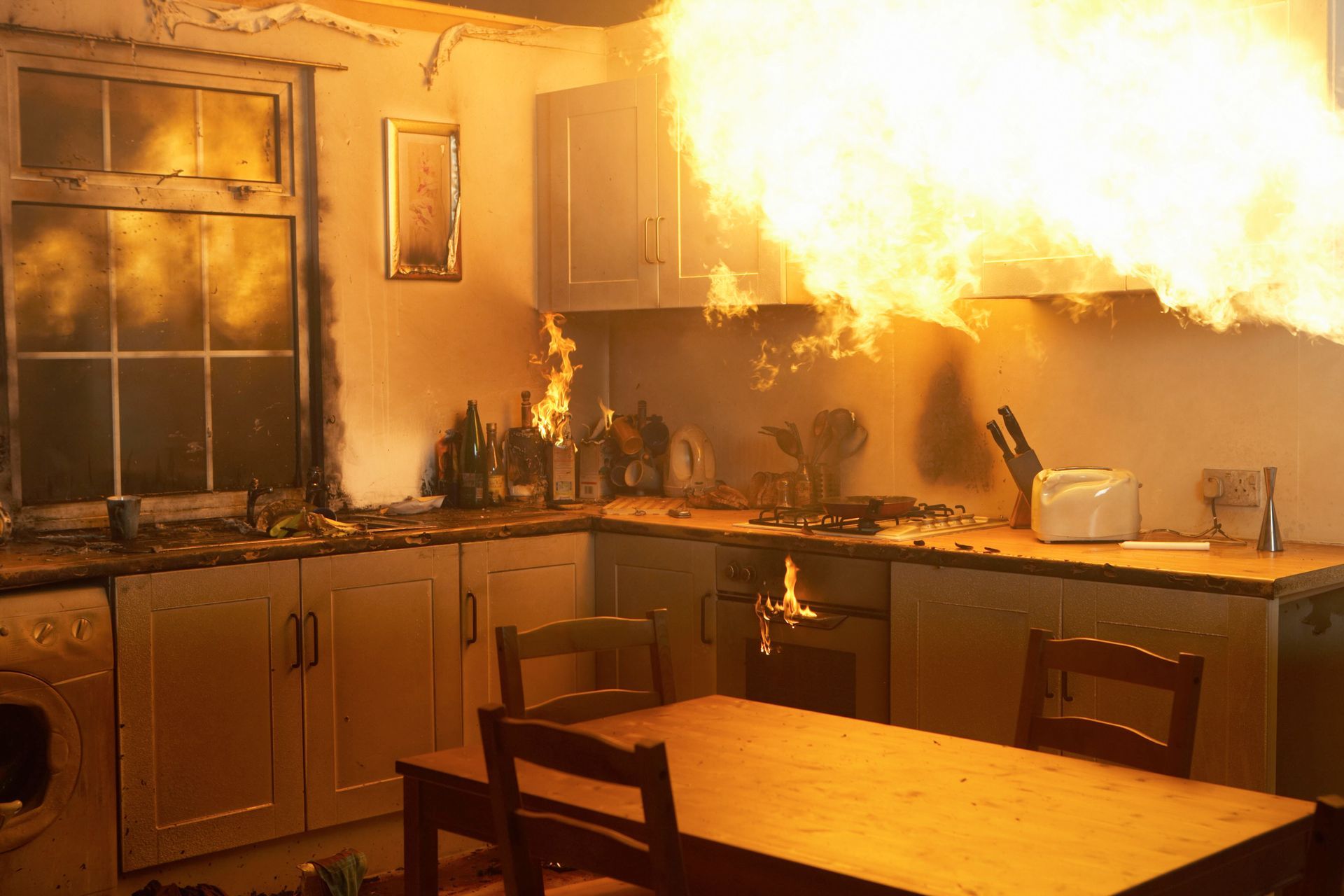
During a fire, certain areas of a property are more vulnerable to damage. Kitchens, given their propensity for open flames and heat-producing appliances, often suffer the most direct damage. Attics and basements can also be heavily impacted due to the potential for smoke to rise and settle in lesser-ventilated spaces. Damage in these areas can be compounded by water from firefighting efforts, dripping to lower floors or pooling in basements. Additionally, areas like living rooms and garages, which may store combustible materials, can suffer significant smoke and fire damage.
Understanding which areas of a property are typically most affected allows homeowners and restorers to target initial assessment. Prioritizing high-risk areas can reduce long-term damage effects, increasing restoration efficiency. Firefighting water can run down through walls, ceilings, and into spaces like wall cavities, posing hidden threats to integral structures. Often, restorers will need to test these spaces with moisture meters and infrared cameras to identify trapped water that could foster mold growth and degrade structural stability over time.
Each affected area requires specific restoration strategies to address its unique set of damages. Kitchens often need specialized soot removal and appliance checks, while basements typically need extensive dehumidification. By focusing efforts on these traditionally affected areas, restorers can minimize the overall restoration timeline. Together with insurance assessments, this information can also help in securing the necessary claims to cover full repair costs. Proper assessment ensures that homeowners take comprehensive steps to restore their homes completely.
The Role of Building Materials
Different building materials react distinctively under fire conditions, impacting both damage levels and restoration strategies. For instance, wood and plastics are more flammable, contributing to thermal damage and requiring replacement if too compromised. Conversely, materials like metal, while less combustible, can suffer structural changes under high temperatures, demanding assessment for safety. In properties with mixed materials, each type requires specific attention to ensure full restoration. Understanding how materials react to fire is critical in planning restoration.
The varied reactions of materials to fire can lead to differing restoration challenges. Wooden structures may weaken even if not completely burned, requiring thorough inspection and reinforcement. Metals might warp or expand, potentially compromising integrity or fit with other structural components. In older buildings, asbestos within insulation or tiles can be a hazardous concern if disturbed during a fire. Comprehensive knowledge of these factors guides restoration professionals in prioritizing their efforts effectively.
During restoration, experts often need to evaluate whether to repair or replace damaged structures based on material integrity. The choice can significantly affect both costs and the time required for restoration, with repairs typically being quicker and more cost-effective than replacement. Using fire-resistant materials in reconstruction can also help safeguard properties against future incidents. Strategically selecting materials ensures not just restoration but potentially enhances fire resistance, providing future protection for properties.
Initial Steps to Take After a Fire
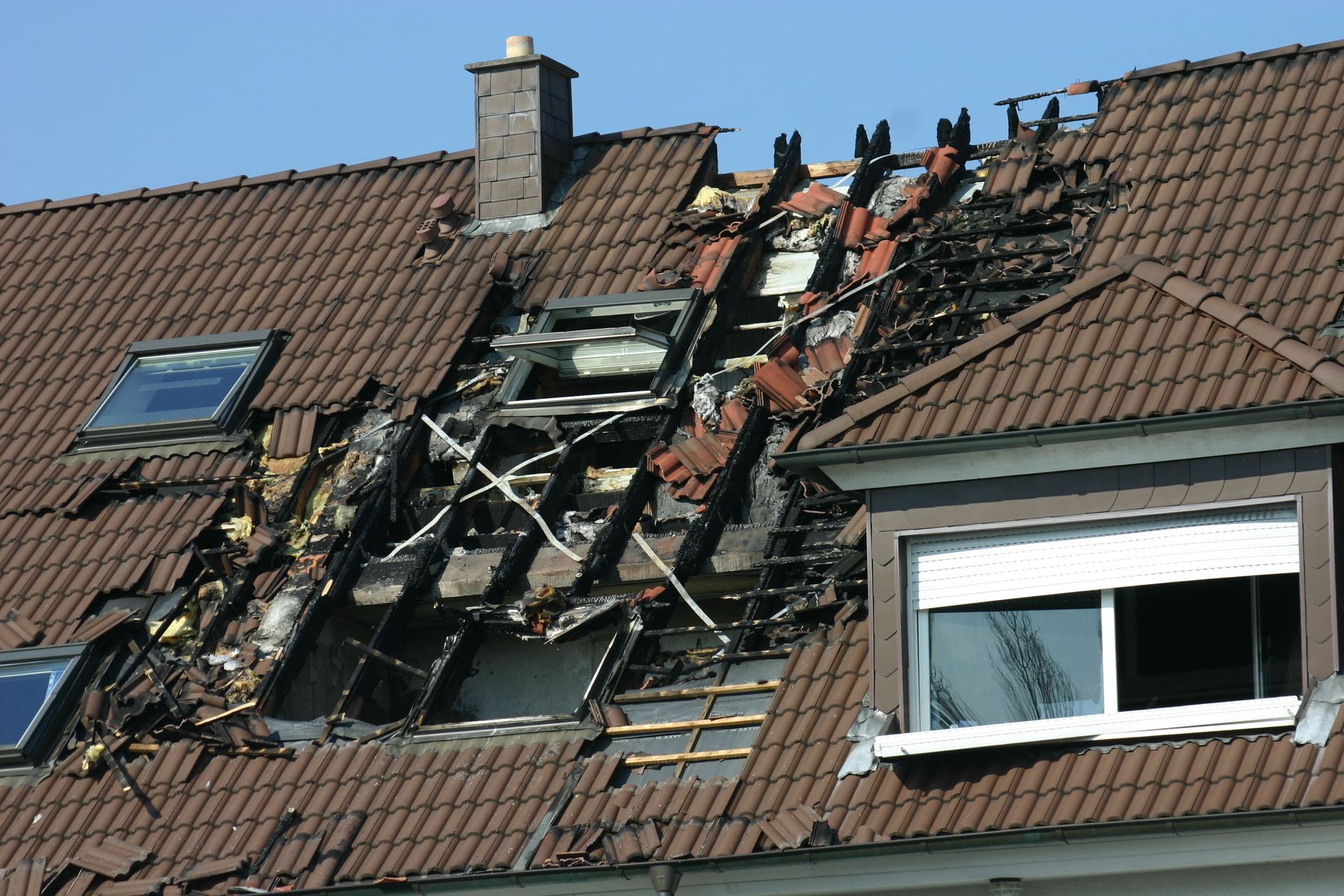
After a fire, there are crucial initial steps that need to be taken to ensure safety and streamline the restoration process. Firstly, it's vital to confirm the property is safe to re-enter, which might require clearance from fire officials. Once given the all-clear, securing the property to prevent unauthorized access and further damage is essential. This can include boarding up windows and covering roof damage with tarps. Immediate documentation of the damage is necessary to support insurance claims.
Assessing structural stability and eliminating potential hazards are immediate priorities. Electrical systems should be inspected for water damage or short-circuits to avoid further risks. Removing wet items can also prevent mold and bacterial growth, while smoke-damaged belongings may require special care or cleaning. In the midst of these urgent steps, maintaining thorough records is critical for tracking restoration progress and facilitating insurance negotiations. Often, restoration professionals will assist with these efforts.
Early intervention minimizes the potential for secondary damage, ensuring that costs and time for restoration remain manageable. According to Home Advisor, these initial measures can dramatically reduce restoration timelines, allowing for swifter return to normalcy. Professional guidance during this stage ensures best practices are followed, safeguarding both physical property and financial investments. By addressing these preliminary steps with urgency, homeowners lay the groundwork for effective and timely restoration. Be sure to reach out to RESTORx today to learn more about our professional fire damage restorations!