October 15, 2026
Moisture acts as a quiet destroyer in residential properties, causing vast amounts of hidden deterioration. Hidden leaks compromise structural integrity without drawing attention from occupants. Property owners remain unaware while moisture seeps through floorboards and drywall. Over time, unseen saturation weakens foundation materials and promotes decay. Routine inspections remain crucial for catching issues before they cause severe destruction. Finding drips in initial stages prevents massive overhauls and protects dwellings from ruin.
When individuals ignore signs of moisture, small problems transform into massive repair projects. Recognizing subtle clues is essential for maintaining safe living environments. Neglected leaks create ideal conditions for mold, rot, and material degradation. Property owners must stay vigilant and observe changes in their spaces. Prompt action and professional water damage restoration save buildings from collapse. Addressing root causes ensures properties remain habitable.
Recognizing Unseen Moisture Accumulation
A persistent musty odor serves as an initial indicator of hidden leaks. This distinct smell resembles old books or damp earth. Residents might notice the scent lingering in basements, bathrooms, or near plumbing fixtures. Odors intensify when doors remain closed for extended periods. Masking smells with air fresheners provides temporary relief but ignores underlying hazards. Identifying the scent source is vital for property preservation and prevents the issue from escalating into a catastrophic structural failure.
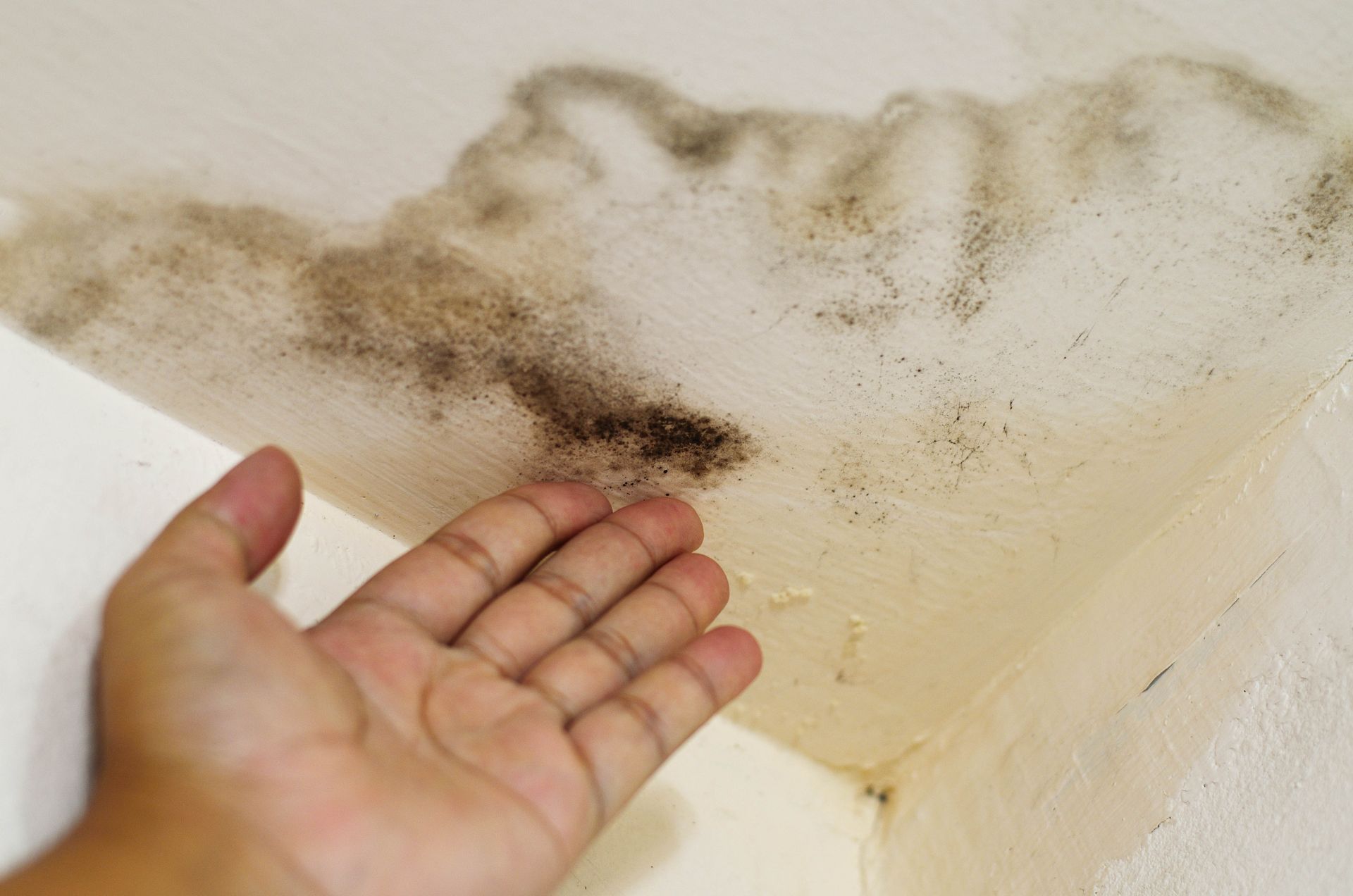
Alongside unusual smells, mold patches indicate severe moisture problems. Fungal growth thrives in dark, damp environments like crawl spaces and wall cavities. These patches appear as dark spots or fuzzy textures on surfaces. Property owners should inspect areas under sinks, around water heaters, and near showers. Fungi consume organic building materials, causing drywall to deteriorate. Removing fungi requires addressing the plumbing failure fueling the growth.
Unseen leaks affect a vast segment of the population. According to RubyHome, water damage affects around 14,000 people in the U.S. each day. This reality highlights the widespread nature of plumbing failures. Silent pipe ruptures or slow roof drips impact families and businesses alike. Homeowners face significant financial burdens and emotional stress when disaster strikes. Vigilance remains the best defense against this threat.
Ignoring accumulated moisture leads to catastrophic structural failures. Small puddles or damp spots demand immediate investigation. Whenever moisture spreads beyond the initial leak site, the situation escalates. Property owners must shut off the main valve and assess the area. Securing comprehensive water damage restoration mitigates the destruction. Professionals remove standing moisture, dry affected materials, and prevent subsequent decay. Intervention halts ruin and secures the dwelling.
Identifying Unusual Surface Deformities
Paint and wallpaper deteriorate from hidden moisture. When water seeps into drywall, the surface material loses adhesion. Bubbles form beneath the paint, creating a textured, uneven appearance. Wallpaper peels at the seams or detaches from walls. These cosmetic flaws point to a plumbing issue hidden behind the barrier. Residents must resist the urge to scrape and repaint, as the moisture will return.
Drywall discoloration provides an additional stark visual clue of internal leaks. Brown, yellow, or copper-colored stains emerge on ceilings and walls. These watermarks expand as the internal leak continues. Stains map the path of the moisture descending from a higher elevation. Roof leaks or upstairs plumbing failures create these distinct rings. Finding a stain necessitates an immediate inspection of the plumbing or roofing components.
Flooring materials also show signs of prolonged moisture exposure. Hardwood floorboards cup, warp, or buckle when subjected to dampness. The edges of the wood rise, creating an uneven walking surface. Tile floors experience loose grout or shifting tiles as the subfloor swells. Linoleum and vinyl peel away from the base layer. Property owners walking across the floor might feel soft spots or hear squeaks indicating severe damage below the surface level.
Addressing surface deformities requires going beyond cosmetic fixes. Fixing blistered paint or warped wood without repairing the leak guarantees future failures. Structural materials behind the surface require evaluation. Removing compromised drywall or flooring exposes the hidden plumbing defect. Enlisting complete water damage restoration ensures all wet materials undergo proper extraction and drying. Rebuilding the space happens after the environment achieves complete dryness and stability.
Discovering Unexplained Utility Fluctuations
A sudden surge in utility costs serves as a major red flag for homeowners. When billing statements show an unexplained increase, a hidden leak carries the blame. The property might consume excess resources without any change in the residents' habits. Dripping pipes waste gallons of resources over a billing cycle. Monitoring statements allows property owners to catch discrepancies before they drain financial accounts.
Checking the property meter offers concrete proof of an unseen issue. Residents can turn off all faucets and appliances inside and outside the home. If the meter continues to spin, a leak exists somewhere in the system. This test isolates the problem to the property plumbing infrastructure. The speed of the meter movement indicates the severity of the rupture. Identifying the exact location requires investigation by skilled professionals using specialized listening equipment.
Underground leaks present a distinct challenge for detection and repair. Pipes running from the street to the house rupture due to soil shifting or material age. These leaks saturate the yard, creating mysterious puddles or lush patches of grass during dry weather. Driveways or sidewalks might sink or crack as soil erodes beneath concrete. Catching outdoor leaks prevents profound foundation issues and landscape destruction.
Inside the home, running toilets or dripping showerheads contribute to utility waste, but internal wall leaks remain the most destructive. A pinhole puncture in a copper pipe sprays a continuous mist inside the wall cavity. This creates a humid environment perfect for mold and rot. Initiating proper water damage restoration involves opening the wall, fixing the pipe, and drying the cavity to restore safety and prevent any recurring issues from developing.
Spotting Unexpected Pest Invasions
Moisture attracts various pests into residential spaces. Insects and rodents seek out water sources for survival. A sudden influx of bugs points toward a hidden plumbing defect. Silverfish, cockroaches, and earwigs thrive in damp, dark environments. Property owners might notice these pests gathering under sinks, in basements, or near laundry machines. Eradicating the bugs requires eliminating the moisture drawing them into the dwelling in the beginning.
Wood-destroying insects pose an immense threat to the structure. Termites and carpenter ants target damp, rotting wood for their colonies. A slow leak softens structural beams, making them a perfect habitat. Residents might discover discarded wings, mud tubes, or small piles of sawdust near baseboards. These signs indicate an active infestation fueled by a hidden leak. Protecting the home requires simultaneous pest control and plumbing repairs.
Rodents also utilize water sources from compromised pipes. Mice and rats chew through materials to reach moisture. Finding droppings or hearing scratching noises in walls accompanies hidden pipe damage. Animals worsen the problem by chewing on pipes or insulation, creating massive holes. Their presence creates health hazards and exacerbates building material deterioration. Removing the pests and securing the plumbing is vital for property maintenance.
Dealing with an infestation means treating the symptom of a larger disease. Chemical sprays offer no permanent solution if the damp environment persists. Homeowners must fix the leaking pipe and replace the damp wood. Engaging in thorough water damage restoration removes compromised materials and sanitizes the area. This comprehensive approach eliminates pest habitats and fortifies the property against future invasions and structural decay.
When disaster strikes, ignoring the problem is not a viable option. Moisture does not resolve itself; it spreads and causes further decay. Addressing the underlying plumbing issue is the crucial step in the recovery process. Relying on professional water damage restoration ensures the home returns to a safe, dry state. With proper attention, residents can overcome destruction, rebuild living spaces, secure properties for the future, and maintain the long-term value of the entire real estate investment. When you notice signs of a hidden leak, reach out to us at RESTORx for comprehensive water damage restoration. We will quickly address the moisture and help safeguard your home from further ruin.