September 18, 2026
Fires can cause extensive structural, environmental, and financial damage, leaving homes, businesses, and public spaces unsafe for occupancy. The need for professional recovery services is especially significant in locations where population density, climate, industrial activity, infrastructure, or limited emergency access increase fire risk. Understanding where fire damage restoration is most critically needed can help communities plan resources, reduce recovery delays, and strengthen long-term resilience. Different environments face different challenges, so restoration strategies must reflect the type of property involved, the cause of the fire, and the surrounding conditions.
Urban Areas With High Population Density
Dense urban areas face elevated fire risks because buildings are often closely spaced and may contain large numbers of residents or workers. High-rise structures can be especially difficult to manage during emergencies because smoke, heat, and flames may travel through shared walls, stairwells, ceilings, and ventilation systems. Emergency crews must also work around traffic congestion, restricted access points, and complex evacuation procedures. In these environments, fire damage restoration may include structural repairs, smoke removal, water extraction, odor control, and inspection of electrical or mechanical systems affected during firefighting efforts.
Urban recovery also involves logistical and financial challenges. Multiple tenants, property managers, insurance carriers, and local agencies may need to coordinate before damaged spaces can be safely reopened. Buildings may require temporary closures while restoration teams assess structural stability and remove contaminated materials. Careful documentation can help property owners manage insurance claims and identify areas where improved fire-resistant materials, alarms, suppression systems, or evacuation plans may reduce future risks.
Regions Prone to Wildfires
Communities near forests, grasslands, and other dry landscapes often face recurring wildfire threats. Extended periods of heat, drought, low humidity, and strong winds can allow fires to spread rapidly across large areas. Homes located near heavy vegetation may be particularly vulnerable when embers travel ahead of an active fire. In these regions, fire damage restoration frequently goes beyond repairing a single building because roads, utilities, neighborhoods, and surrounding natural areas may all be affected at the same time.
Recovery in wildfire-prone locations often focuses on both rebuilding and future risk reduction. Property owners may choose fire-resistant roofing, siding, windows, vents, and landscaping as part of reconstruction. Communities may also improve evacuation routes, vegetation management, and emergency notification systems. Restoring burned land can involve erosion control, replanting, and other measures that protect soil and waterways. These steps support immediate recovery while helping neighborhoods prepare for future wildfire seasons.
Industrial and Manufacturing Zones
Industrial areas often contain machinery, fuel, chemicals, electrical equipment, and combustible materials that can increase the severity of a fire. Warehouses, manufacturing plants, processing facilities, and distribution centers may experience widespread damage when flames reach stored inventory or specialized equipment. Fire recovery in these settings can require structural repairs, soot removal, water cleanup, equipment assessment, and the safe handling of contaminated materials. Environmental concerns may also become a priority when chemicals or industrial substances are released during an incident.
Business interruption can make industrial fire recovery especially urgent. Damage may stop production, delay shipments, interrupt supply chains, and affect employees or customers. These fire damage restoration teams often work alongside engineers, safety professionals, insurers, and facility managers to determine what can be cleaned, repaired, replaced, or safely returned to service. Recovery may also include reviewing fire suppression systems, electrical infrastructure, storage procedures, and emergency plans to reduce the likelihood of another event.
Residential Communities With Older Infrastructure
Older neighborhoods may face increased fire risk because of aging electrical systems, outdated wiring, deteriorating building materials, or structures built before current safety standards were adopted. Homes may also lack modern smoke alarms, sprinkler systems, or adequate fire separation between rooms and adjacent properties. When a fire occurs, hidden damage inside walls, ceilings, attics, and crawl spaces can complicate cleanup. Fire recovery helps identify these concealed problems while addressing visible smoke, soot, and water damage.
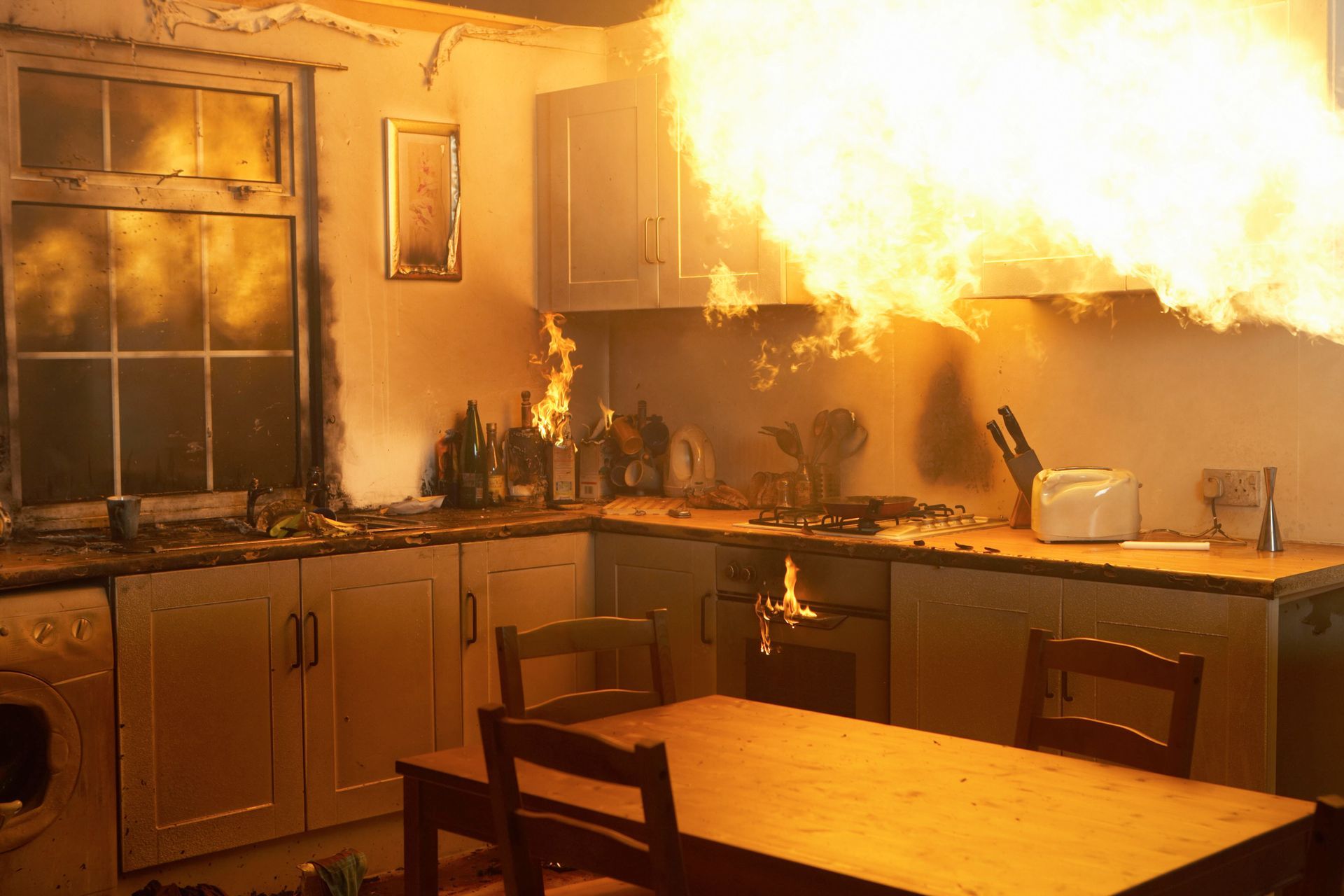
Rebuilding older homes can also provide an opportunity to improve safety. Electrical systems may be updated, damaged insulation replaced, and materials upgraded to meet current codes where required. Property owners can also evaluate smoke alarm placement, heating equipment, kitchen ventilation, and other common fire risk areas. According to RubyHome, about 44% of house fires start in the kitchen, with cooking being a leading cause, making cooking safety and routine prevention especially important in residential settings.
Communities With Limited Emergency Services
Rural and suburban areas with fewer fire stations may experience longer response times than densely served urban locations. Greater travel distances, limited road access, and fewer available personnel can allow a fire to grow before emergency crews arrive. Volunteer fire departments often provide essential protection in these communities, but they may operate with tighter budgets and fewer resources. As a result, property damage can become more extensive before the fire is fully controlled.
In these locations, fire damage restoration may involve rebuilding larger portions of a structure, removing smoke contamination from adjoining rooms, and addressing significant water damage caused by suppression efforts. Because fire damage restoration can become more extensive when response times are longer, prevention is especially important where emergency services are limited. Homeowners can maintain clear access for emergency vehicles, install working smoke alarms, reduce outdoor fire hazards, and keep heating and electrical systems properly maintained. Local training and community preparedness programs can also strengthen overall fire readiness.
Areas Recovering From Major Fire Disasters
Communities affected by large-scale fires often require recovery efforts that continue long after the flames are extinguished. Entire neighborhoods may need temporary housing, utility repairs, debris removal, road reconstruction, and rebuilding support. Recovery in these areas becomes part of a broader process involving local governments, insurers, contractors, nonprofit organizations, and residents. The scale of destruction may require phased work so that essential services can return before full reconstruction is complete.
Long-term recovery also offers an opportunity to correct vulnerabilities that contributed to previous losses. Communities may revise building standards, improve emergency communication systems, create defensible spaces, or upgrade water and power infrastructure. Mental health and social support can also be important because major fires may disrupt families, employment, schools, and community networks. A comprehensive approach considers both the physical rebuilding process and the wider needs of residents.
Commercial Properties With High Occupancy
Hotels, restaurants, shopping centers, schools, office buildings, and entertainment venues can experience complicated fire losses because many people may be present when an incident occurs. Even a relatively contained fire can force a large building to close because smoke, soot, water, and odors may spread well beyond the immediate burn area. Fire damage restoration for high-occupancy properties often requires careful scheduling, safety inspections, air quality evaluation, and coordination with business owners or facility managers before reopening.
Commercial recovery may also require attention to furniture, flooring, inventory, electronics, HVAC systems, and food-service equipment. Smoke residues can settle on surfaces throughout a property, while firefighting water may create additional moisture concerns. Prompt assessment and cleanup help reduce secondary damage and support faster business continuity. Detailed records of damaged materials and restoration work can also assist with insurance claims and future facility planning.
Why Location Matters in Fire Recovery
No two fire losses are exactly alike. Urban high-rises, rural homes, wildfire zones, factories, and commercial buildings each present different hazards, access issues, and recovery requirements. Effective fire damage restoration depends on understanding these conditions before cleanup and reconstruction begin. Factors such as building materials, smoke spread, water exposure, contamination, structural stability, and local safety regulations all influence the work required.
Communities can reduce long-term losses by combining restoration planning with prevention. Maintaining electrical and heating systems, improving emergency access, following fire safety codes, educating residents and employees, and using fire-resistant materials can all reduce risk. When recovery efforts are matched to local conditions, property owners and communities are better positioned to restore damaged spaces safely and prepare for future emergencies. Contact our team at RESTORx today and learn more about our restoration services.