November 16, 2026
Basements provide valuable additional space for storage, recreation, home offices, and other everyday activities. However, because they are located below ground level, they are particularly vulnerable to moisture intrusion, plumbing leaks, flooding, and other sources of water damage. Even a relatively small amount of water can create significant problems when it goes unnoticed or remains untreated. Recognizing the warning signs early can help homeowners protect their properties, prevent structural deterioration, and avoid more extensive repairs.
Water damage is not always immediately noticeable. While standing water and visible flooding are obvious indicators of trouble, other problems can develop gradually behind walls, beneath flooring, or in areas that are difficult to inspect. Knowing when to seek professional water damage restorations can make a significant difference in limiting the damage and restoring a basement to a safe, functional condition.
According to Ruby Home, 98% of basements in the U.S. will experience some water damage at least once. This statistic highlights how common basement moisture problems can be and why homeowners should take potential warning signs seriously. Here are several indications that your basement may need immediate attention.
1. Recognizing Standing Water and Persistent Moisture
One of the most obvious signs of basement water damage is standing water. Whether it appears after heavy rainfall, a plumbing failure, or a drainage problem, even a small accumulation of water deserves attention. Water can seep through foundation cracks, enter through basement windows, or collect around appliances such as water heaters and washing machines.
Persistent moisture is another concern, particularly when basement surfaces never seem to dry completely. Damp concrete floors, wet carpeting, and moisture around the base of walls can indicate an ongoing problem. Even without visible puddles, these conditions may suggest that water is entering the basement or that an existing moisture issue has not been properly addressed.
Professional water damage restorations can help identify the source of the moisture, remove affected materials when necessary, and dry the impacted areas. Addressing the problem promptly also reduces the likelihood of additional damage spreading throughout the basement.
2. Identifying Musty Odors and Unusual Smells
A persistent musty smell is another common indication that a basement has a moisture problem. Water that becomes trapped behind drywall, beneath carpeting, or inside insulation can create conditions that encourage mold and mildew growth. These odors may become noticeable before homeowners see any visible signs of damage.
Unlike temporary household odors, musty smells associated with water damage often remain even after cleaning the basement. They may become stronger when the room is closed for an extended period or when humidity levels increase. In some cases, the smell may be concentrated around particular walls, storage areas, or sections of flooring.
Ignoring these odors can allow underlying moisture problems to continue developing. Simply using air fresheners or household cleaners will not resolve the source of the issue. Instead, homeowners should have the affected areas inspected to determine whether hidden water damage or microbial growth is present.
Water damage restorations address the underlying moisture conditions rather than simply masking unpleasant smells. Professional drying and appropriate cleanup help create a healthier indoor environment while reducing the risk of recurring problems.
3. Spotting Mold Growth and Discolored Surfaces
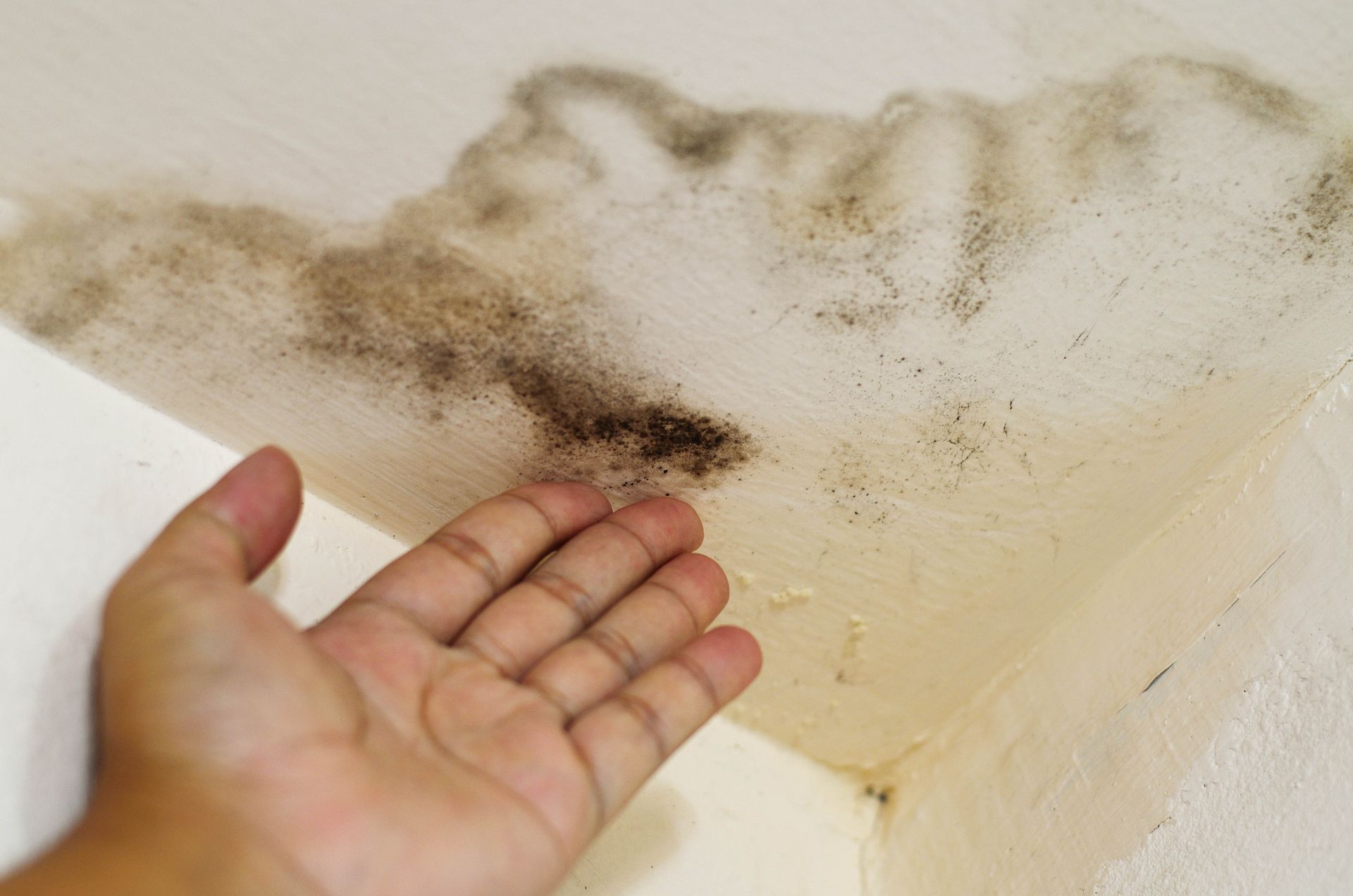
Visible mold growth is a particularly important warning sign that basement water damage requires immediate attention. Mold may appear as black, green, gray, or white patches on walls, ceilings, flooring, wooden framing, and stored belongings. It often develops in areas where moisture has remained for an extended period.
Discoloration can also indicate water intrusion, even when mold is not immediately visible. Yellow or brown stains on drywall and ceiling materials may suggest leaks from plumbing fixtures, pipes, or areas above the basement. Darkened spots, peeling paint, and unusual surface textures can provide additional clues that moisture has affected building materials.
Mold should never be treated as a purely cosmetic concern. Certain types of mold can contribute to indoor air quality problems and aggravate respiratory sensitivities. Homeowners should avoid disturbing extensive mold growth themselves and arrange for appropriate professional assessment.
Water damage restorations can include identifying moisture sources, removing materials that cannot be salvaged, and addressing affected surfaces. Taking action early helps prevent moisture-related deterioration from becoming a larger issue throughout the property.
4. Noticing Warped Floors and Damaged Flooring
Basement flooring can reveal water damage long before homeowners realize how serious the underlying problem has become. Hardwood and laminate floors may swell, buckle, or separate when exposed to excessive moisture. Vinyl flooring can loosen or develop raised edges, while carpeting may feel unusually damp or develop persistent odors.
Tile floors can also show signs of trouble. Although tile itself is generally water-resistant, moisture can affect the underlying adhesive, subfloor, or surrounding materials. Loose tiles, deteriorating grout, and unusual soft spots may indicate that water has reached areas beneath the visible surface.
Changes in the flooring should never be dismissed as ordinary wear and tear without investigating their cause. If moisture remains trapped underneath the surface, simply replacing the damaged flooring may not resolve the issue.
Professional water damage restorations help determine how far the moisture has spread and which materials require removal, drying, or replacement. Addressing both visible damage and underlying moisture is essential for achieving a lasting restoration.
5. Observing Cracks and Deteriorating Foundation Walls
Foundation walls are designed to support the home and help protect the basement from surrounding soil and groundwater. However, cracks, deteriorating concrete, and other structural changes can create opportunities for water to enter the space.
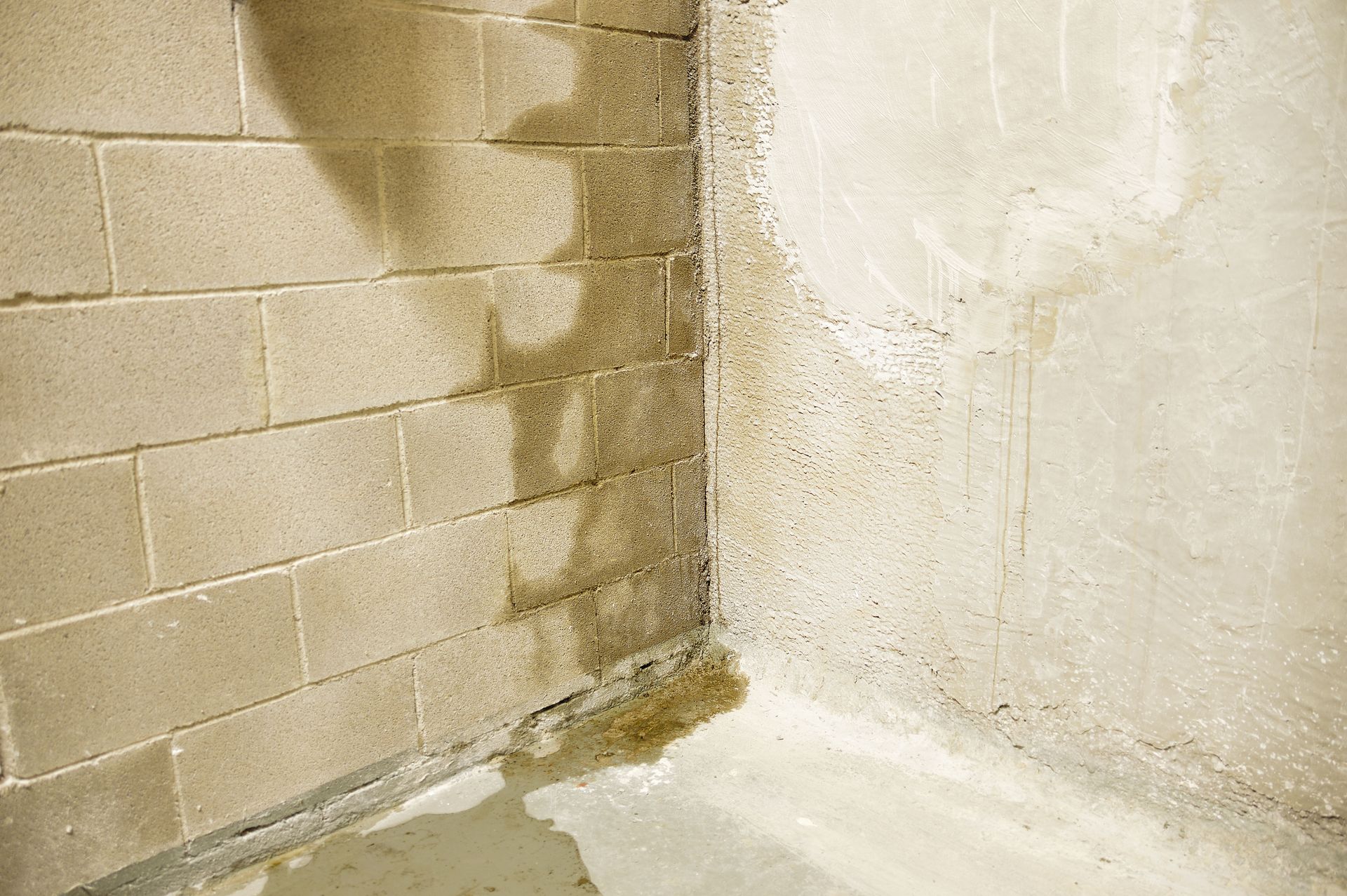
Small cracks may initially seem harmless, particularly when they do not appear to affect the surrounding materials. However, water can gradually penetrate these openings, especially during periods of heavy rainfall or increased groundwater pressure. Homeowners may notice damp patches, mineral deposits, or white powdery residue known as efflorescence along foundation walls.
More significant cracks, bowing walls, or changes in the foundation should receive prompt professional evaluation. These conditions may indicate structural concerns that require specialized attention beyond basic water removal.
Water damage restorations can help address the moisture-related consequences of foundation leaks by removing water, drying affected materials, and restoring damaged areas. However, the source of foundation intrusion must also be evaluated so that necessary repairs can be completed and future water entry can be minimized.
6. Hearing Unusual Sounds From Plumbing Systems
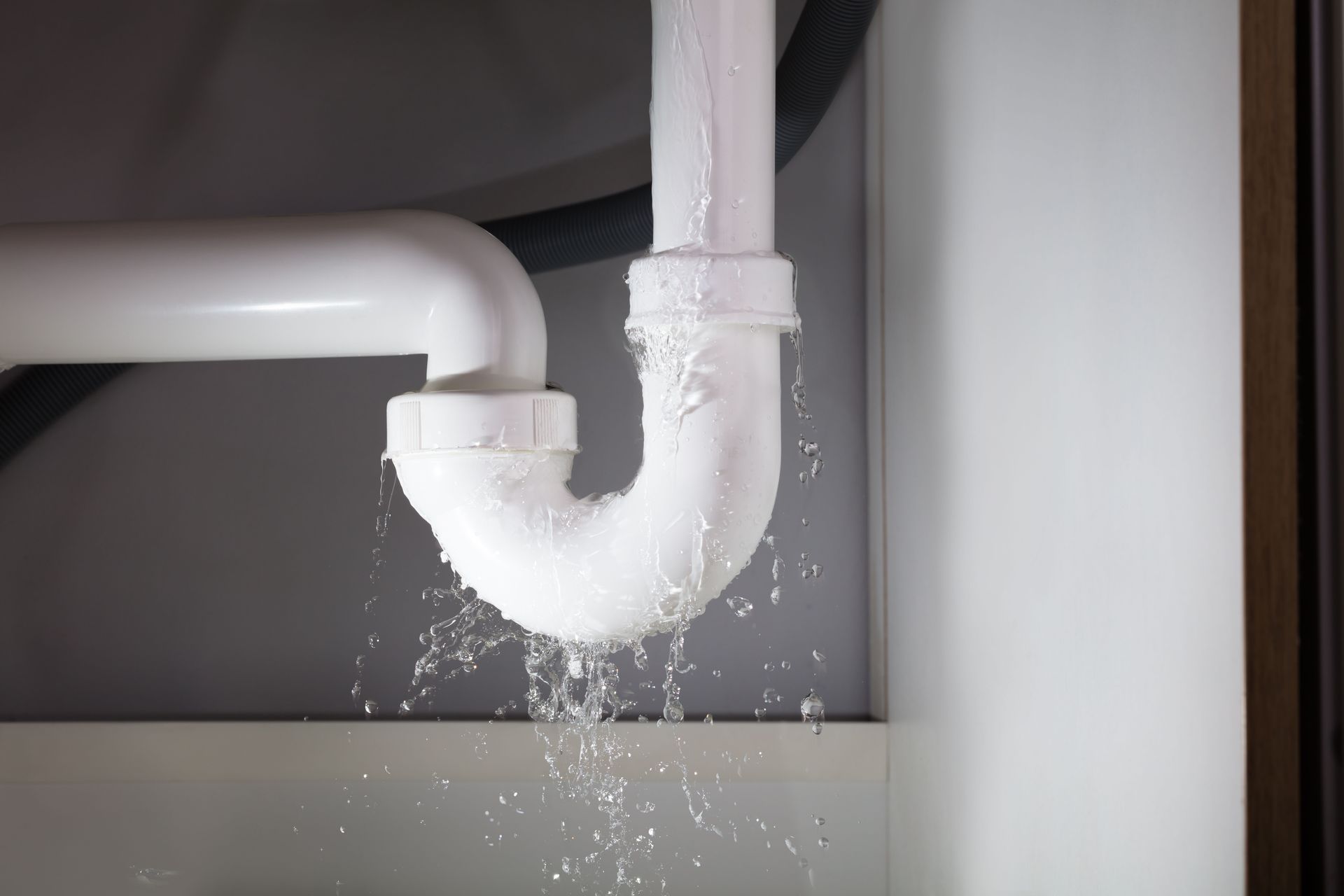
Unusual plumbing sounds can provide an early warning that water may be leaking somewhere in the basement. Dripping, hissing, running water, or unexplained noises coming from pipes and fixtures should be investigated, especially when no water is being used.
A damaged pipe, loose connection, failing water heater, or malfunctioning appliance can release water into surrounding materials. Some leaks remain hidden behind walls or beneath floors, allowing moisture to accumulate without creating an immediately visible puddle.
Homeowners should pay attention to unexplained increases in water bills, reduced water pressure, and damp areas near plumbing connections. These symptoms may indicate a leak that requires immediate repair.
If a plumbing failure is suspected, shutting off the appropriate water supply can help limit additional damage while professional repairs are arranged. Once the source is controlled, water damage restorations can address affected building materials, remove excess moisture, and help prevent secondary problems from developing.
Basement water damage can develop in several ways, from obvious flooding and plumbing failures to hidden leaks, persistent odors, and gradual deterioration of building materials. Recognizing these warning signs allows homeowners to respond before moisture problems become more extensive. Whether you notice standing water, mold growth, damaged flooring, or recurring leaks, taking prompt action is essential for protecting your home.
Delaying professional attention can lead to additional structural damage, ruined belongings, and ongoing moisture concerns. The right restoration approach focuses on identifying the source of the problem, removing excess water, thoroughly drying affected areas, and repairing damaged materials.
When you need dependable water damage restorations, turn to RESTORx for professional assistance. Contact us today to schedule a service!