July 17, 2026
Mold is one of those household problems that can grow quietly for weeks or even months before homeowners realize just how serious the situation has become. Unlike a leaky faucet or a cracked window, mold often develops in hidden spaces like behind walls, under flooring, or inside HVAC systems, making it easy to overlook until symptoms become impossible to ignore. This silent nature is exactly what makes mold such a significant health hazard, since prolonged exposure can lead to respiratory issues, allergic reactions, and other health complications long before visible signs appear. Water intrusion is often the root cause behind these hidden infestations, and it happens more frequently than many homeowners realize. According to Ruby Home, about one in 60 insured homes makes a claim for water or freezing damage each year, and any of these incidents can create the damp conditions mold needs to thrive. Recognizing the early warning signs and understanding when to call in professionals for black mold remediations can protect both your home and your family's health. Below, we'll explore the key indicators that suggest it's time to seek professional mold removal services.
Noticing a Persistent Musty Odor
One of the earliest and most telling signs of a hidden mold problem is a persistent musty or earthy odor that doesn't seem to go away, even after cleaning. This smell is often the result of microbial volatile organic compounds released as mold grows and spreads, and it can linger in specific rooms or throughout an entire home depending on the extent of the infestation. Many homeowners mistake this odor for general dampness or poor ventilation, when in reality it may be signaling mold growth happening behind walls, under carpeting, or within ductwork. If you notice a musty smell that persists despite thorough cleaning and improved airflow, it's worth investigating further rather than simply masking the odor with air fresheners. Professionals specializing in black mold remediations have the tools and training needed to locate the source of these smells, even when the mold itself isn't immediately visible.
Spotting Visible Discoloration or Growth
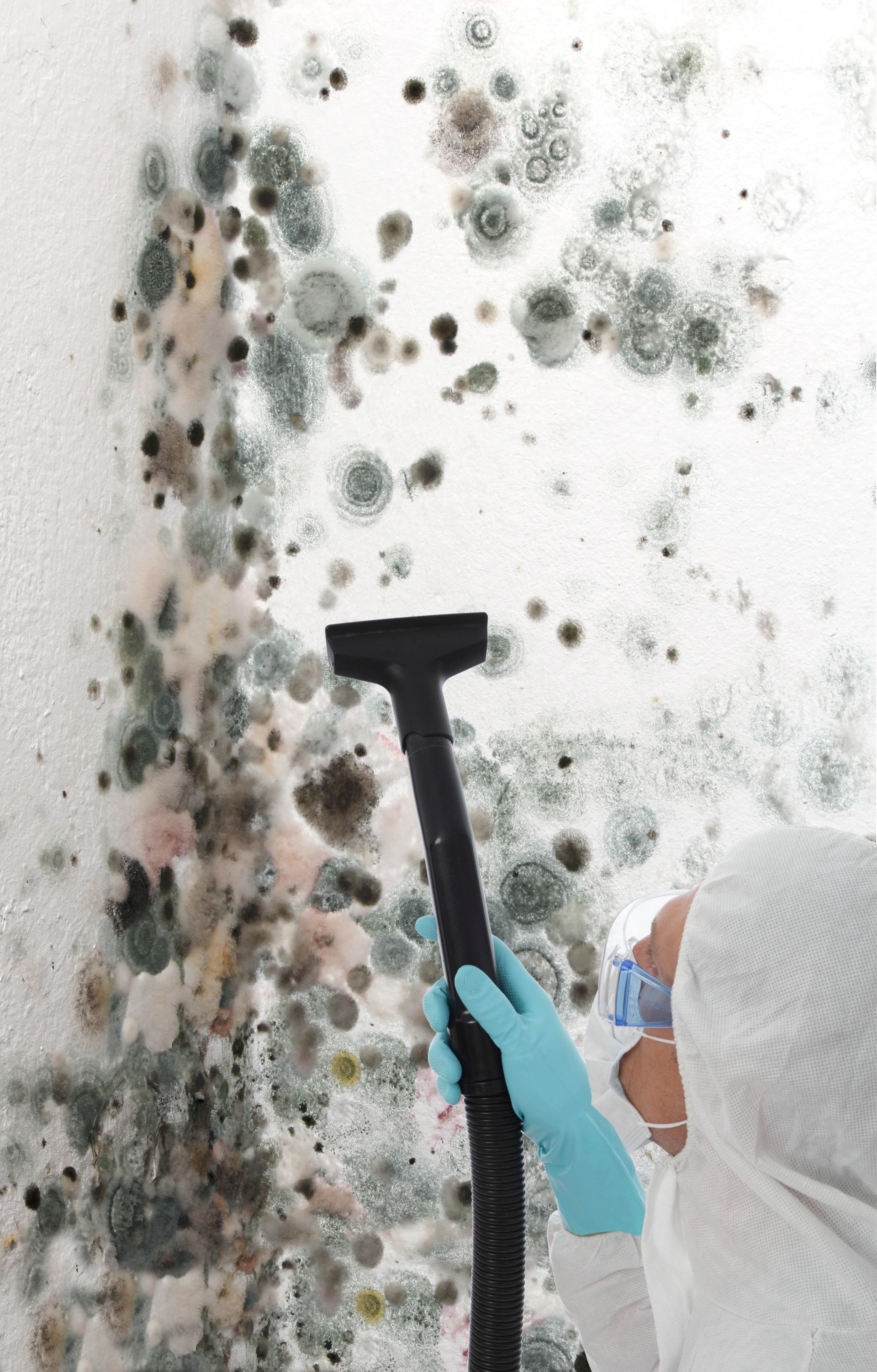
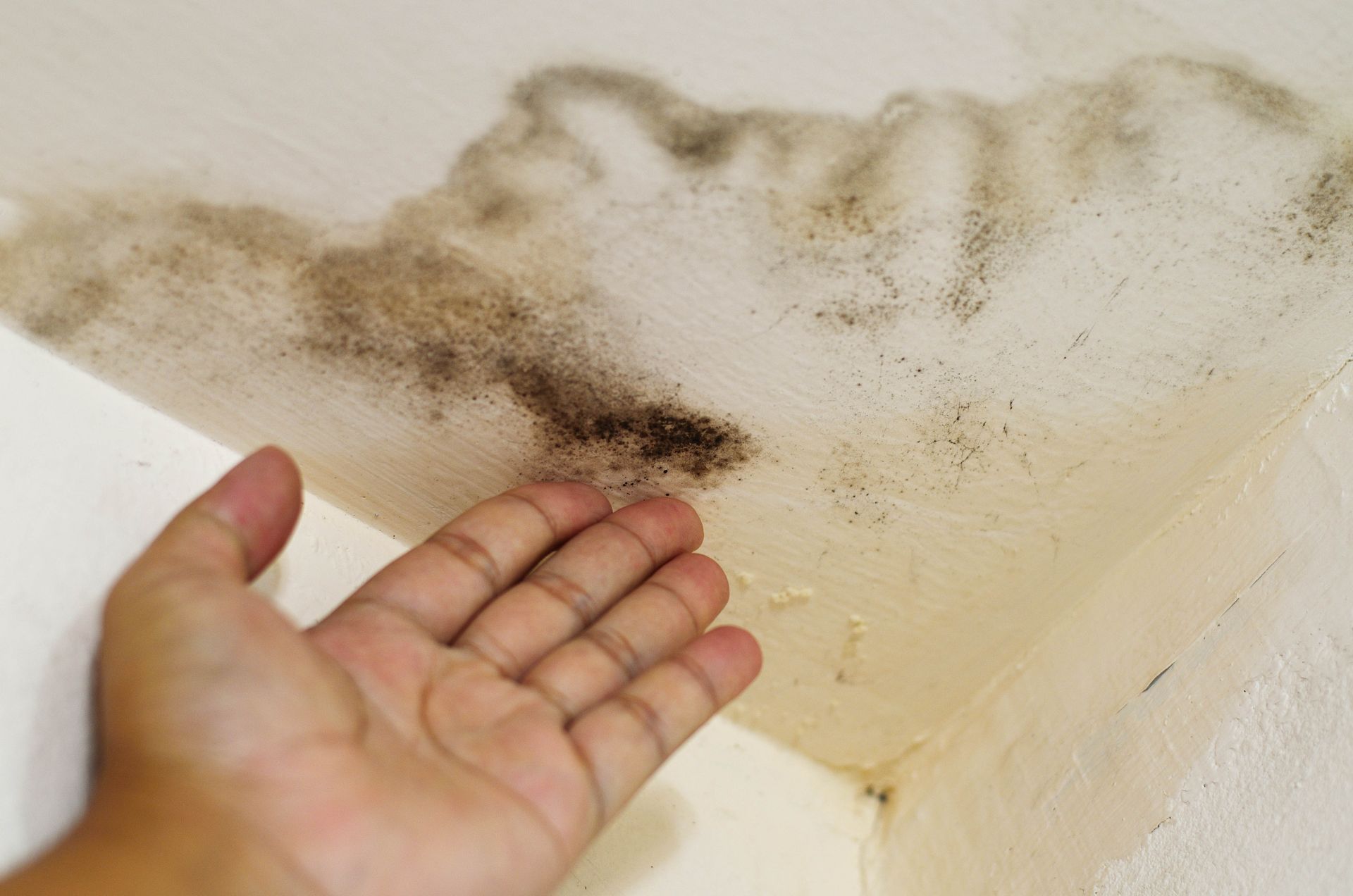
While mold can often hide in concealed spaces, it also frequently appears as visible discoloration on walls, ceilings, or other surfaces throughout the home. This growth can range in color from black and green to white or orange, and it often has a fuzzy, slimy, or speckled texture depending on the type and stage of growth. Homeowners sometimes mistake early mold growth for simple dirt or water stains, which can lead to delayed treatment and further spread throughout the home. Any unexplained discoloration, particularly in areas prone to moisture like bathrooms, basements, or around windows, should be taken seriously and investigated promptly. When black mold is suspected, professional black mold remediations are essential, since this particular type of mold can pose more significant health risks than other common household varieties.
Experiencing Unexplained Respiratory Symptoms
Mold exposure can trigger a range of respiratory symptoms, and when these symptoms improve after spending time away from home, it's often a strong indicator that indoor air quality is being compromised. Common signs include persistent coughing, wheezing, throat irritation, and worsening asthma or allergy symptoms that seem to intensify while indoors. Children, elderly individuals, and those with preexisting respiratory conditions are often more sensitive to these effects, sometimes showing symptoms before other household members notice anything unusual. Because these symptoms can easily be mistaken for seasonal allergies or a common cold, mold is frequently overlooked as the underlying cause. If health issues seem to correlate with time spent in a specific room or the home in general, it may be time to consider professional testing and black mold remediations.
Recognizing Signs of Past Water Damage
Any history of water damage in a home, whether from a leaking roof, burst pipe, or flooding, significantly increases the likelihood of mold development, even if the water issue was addressed at the time. Mold spores only need moisture and organic material to begin growing, which means even minor leaks that seem fully resolved can leave behind the damp conditions necessary for mold to take hold behind walls or under flooring. Homeowners who have experienced any form of water intrusion should remain especially vigilant for the warning signs of mold growth in the months and years that follow. Areas that were affected by water damage should be periodically inspected, even if no immediate problems were apparent during the initial cleanup. Given how common water-related insurance claims are, it's wise to treat any past water damage as a potential risk factor for future mold issues.
Observing Peeling Paint or Warped Surfaces
Physical changes to walls, ceilings, or flooring, such as peeling paint, bubbling wallpaper, or warped wood surfaces, can often indicate excess moisture trapped within building materials. This trapped moisture creates an ideal environment for mold growth, even if visible mold hasn't yet appeared on the surface itself. These physical signs are particularly important to watch for in older homes or in areas with poor ventilation, where moisture has fewer opportunities to properly dissipate. Ignoring these warning signs can allow mold to spread significantly before it becomes visible, making early intervention especially valuable. When these structural changes are noticed, scheduling an inspection can help determine whether black mold remediations are necessary before the problem worsens.
Dealing With Increased Humidity Levels
Homes with consistently high indoor humidity levels create an environment where mold can thrive, even without an obvious water leak or spill. Poor ventilation, inadequate insulation, or malfunctioning HVAC systems can all contribute to elevated humidity, particularly in areas like bathrooms, basements, and kitchens. If windows frequently fog up, surfaces feel consistently damp, or a home simply feels unusually humid despite normal weather conditions, this could be creating the ideal conditions for mold growth throughout the house. Monitoring indoor humidity levels with a simple hygrometer can help homeowners catch this issue before mold has the chance to establish itself. Addressing the underlying humidity problem, alongside professional black mold remediations if mold has already developed, is essential for creating a long-term solution.
Facing Recurring Mold Despite DIY Cleaning
Many homeowners attempt to handle small mold problems on their own using household cleaners, only to find that the mold returns within a matter of weeks. This recurring pattern is often a sign that the mold's root cause, typically an ongoing moisture source, hasn't been properly addressed, and that the visible mold represents only a small portion of a larger underlying issue. Surface cleaning may temporarily remove visible growth, but without eliminating the moisture source and thoroughly treating affected materials, mold is likely to return and potentially worsen over time. This cycle of recurring mold is one of the clearest signs that professional intervention is needed rather than continued at-home attempts. Experienced providers of black mold remediations can identify and resolve the underlying cause, offering a more permanent solution than surface-level cleaning alone.
At RESTORx, we understand how concerning it can be to discover mold in your home, and we're committed to providing thorough, professional solutions that address the problem at its source. Our experienced team specializes in
black mold remediations, using proven techniques to not only remove existing mold but also identify and resolve the underlying moisture issues that allowed it to grow in the first place. We know that your family's health and your home's integrity are top priorities, which is why we approach every project with careful inspection, clear communication, and lasting results. From initial assessment to final cleanup, we're here to guide you through the process with expertise you can trust. If you're noticing any of these warning signs in your home, contact RESTORx today to schedule a professional mold inspection.