April 15, 2026
Damage restoration is a critical process that helps property owners recover after unexpected disasters such as flooding, fires, storms, and contamination events. The goal is not only to repair visible damage but also to identify hidden issues that could worsen over time if they are left untreated. A clear understanding of the restoration process helps homeowners and businesses respond quickly, protect their investment, and reduce long-term disruption. In many cases, fast action can make the difference between a manageable repair and a much larger reconstruction project.
Damage Categories
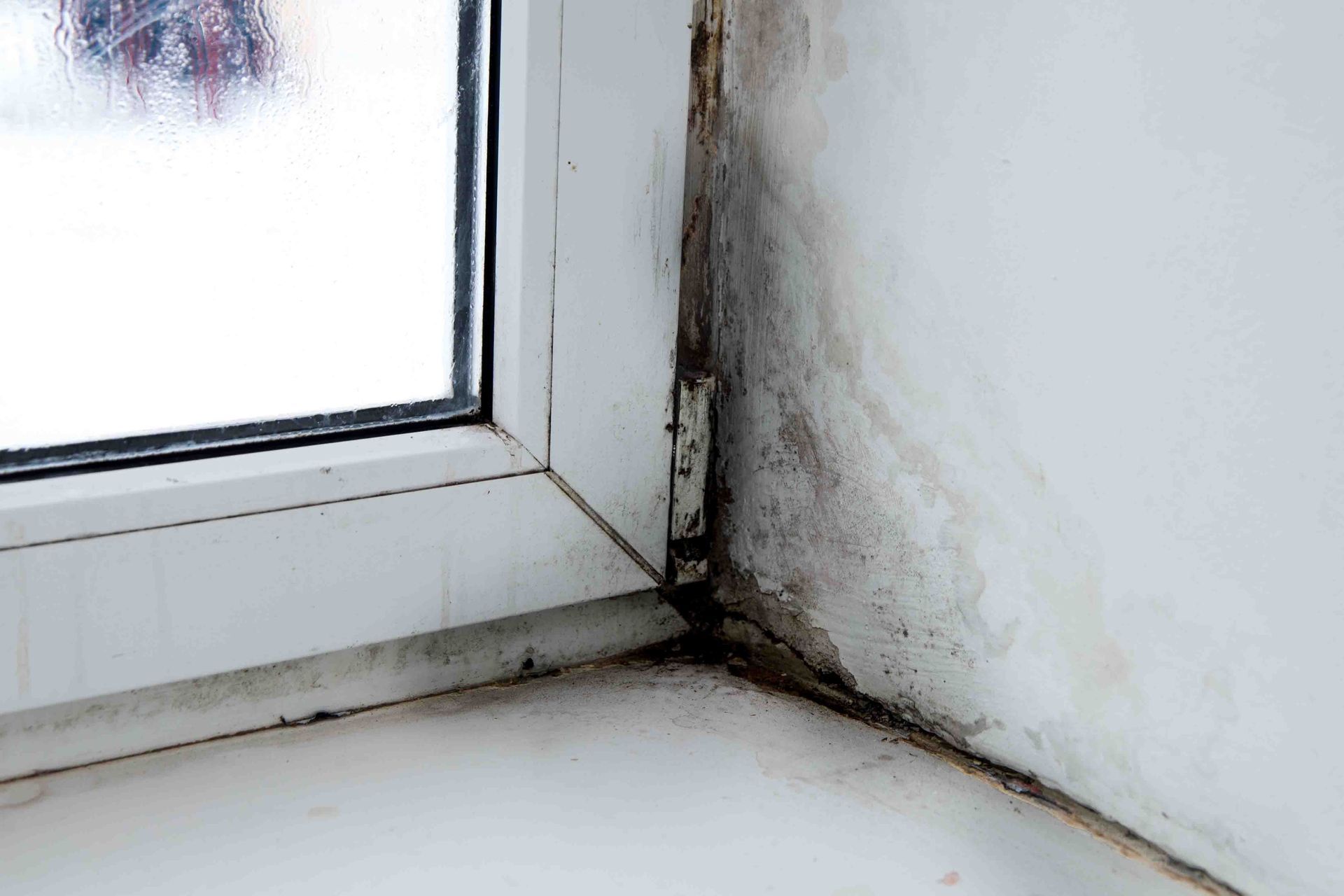
Different types of property damage require different restoration strategies, and each category presents its own risks. Water intrusion can saturate drywall, insulation, flooring, and framing, while fire can leave behind soot, smoke residue, and structural instability. Storm damage may expose a building to the elements, and mold can spread through damp materials in a relatively short period of time. Because every loss is unique, restoration professionals begin by identifying the source of the damage, the materials affected, and the immediate steps needed to stabilize the property.
One of the most common service needs involves water damage restoration. Even what appears to be a minor leak can migrate behind walls, beneath flooring, and into insulation where moisture remains trapped. If that moisture is not removed thoroughly, it can lead to mold growth, wood rot, unpleasant odors, and weakened building materials. That is why rapid response and careful drying are essential parts of any successful recovery effort.
Water Damage Concerns
Water damage can result from burst pipes, plumbing failures, roof leaks, appliance malfunctions, sewage backups, or natural flooding. The longer water sits, the greater the chance that materials will absorb moisture and begin to break down. Flooring may warp, paint may blister, and drywall may lose its structural integrity. In severe cases, contaminated water can also introduce harmful bacteria and create sanitation concerns that require specialized cleanup procedures.
Professional water damage restoration usually starts with extraction, followed by controlled drying and moisture monitoring. High-powered pumps, air movers, and dehumidifiers are used to remove water from the property and draw out residual moisture from structural materials. Moisture meters and infrared imaging help technicians confirm that drying is progressing properly. This step-by-step approach helps prevent secondary damage that may not be obvious at first glance.
Fire and Smoke Effects
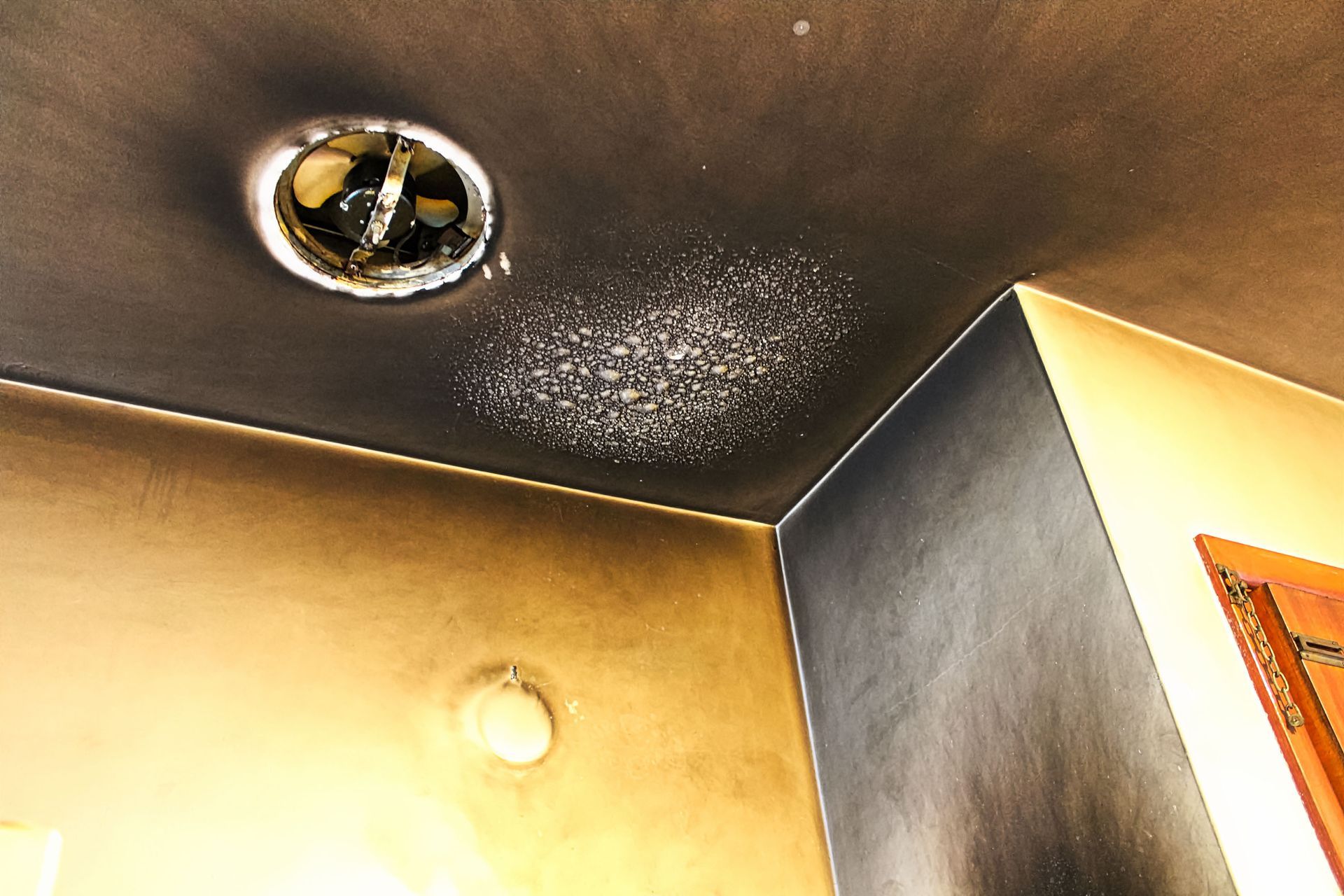
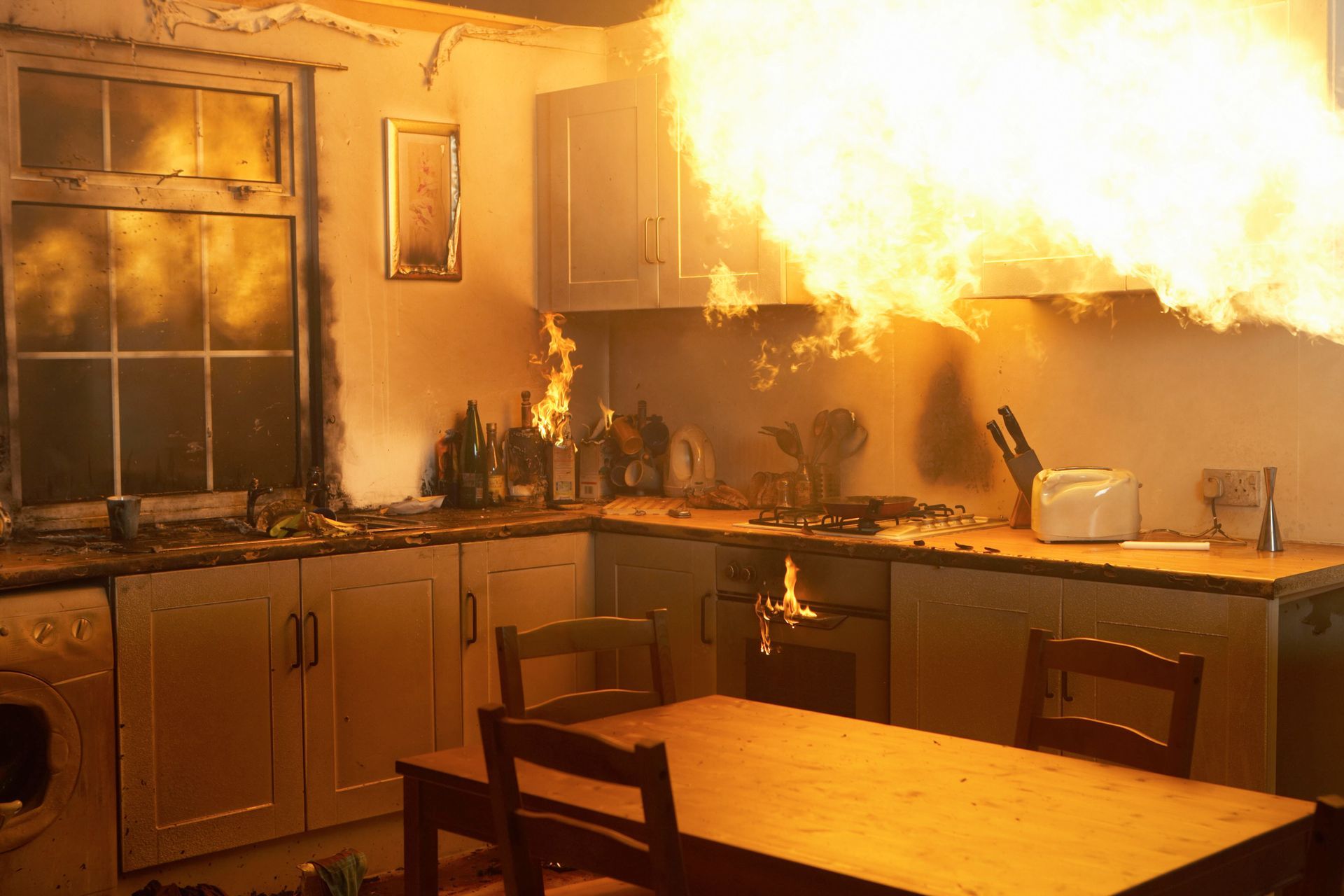
Fire damage is often more complex than people expect because the impact extends beyond burned materials. Smoke and soot can travel throughout a building, affecting walls, ceilings, furnishings, ventilation systems, and personal belongings. Even areas untouched by flames may need extensive cleaning and deodorization. Lingering smoke odors can also make a property uncomfortable or unsafe to occupy until proper restoration measures are completed.
Restoration teams often use specialized sponges, HEPA vacuums, air scrubbers, and deodorization treatments to address the effects of fire. Items that can be saved may undergo detailed cleaning, while severely damaged materials are removed and replaced. According to Disaster Philanthropy, by 2052, half of the people at risk of wildfire will live in the South, which highlights the growing importance of fire preparedness and post-fire recovery planning. A well-organized response can help salvage more of the property and shorten the overall recovery timeline.
Storm and Environmental Impact
Storm damage can involve several problems at once, including roof failure, broken windows, fallen trees, water intrusion, and exterior structural damage. High winds and hail can compromise the building envelope, allowing rainwater to enter and affect interior spaces. Emergency measures such as tarping roofs and boarding openings are often necessary to keep the damage from worsening before permanent repairs begin. Securing the property quickly is one of the most important early steps after a major storm.
Mold, biohazards, and vandalism may also require immediate professional attention. Mold can begin developing quickly in damp conditions, while biohazard situations call for sanitation procedures that protect health and safety. Vandalism, graffiti, and broken entry points can leave owners dealing with both physical and emotional stress. In each case, restoration is about more than appearance; it is about returning the property to a clean, secure, and functional condition.
Assessment Procedures
The assessment phase lays the foundation for the entire restoration project. Technicians inspect all accessible areas, document visible damage, and use specialized tools to locate hidden moisture, weakened materials, or contamination. A complete inspection helps establish priorities and prevents overlooked issues from causing problems later. Good documentation is also useful when communicating with insurers, contractors, and other parties involved in the recovery process.
Safety hazards are addressed during this stage as well. Exposed wiring, unstable ceilings, slippery surfaces, sharp debris, and contaminated materials can put occupants and workers at risk. Restoration professionals isolate dangerous areas, recommend immediate precautions, and determine whether certain parts of the property should remain off-limits. Careful planning at the beginning makes the rest of the project more efficient and far safer.
Mitigation Steps
Mitigation refers to the actions taken to stop ongoing damage and stabilize the property before full repairs begin. This may include removing standing water, extracting smoke residue, boarding up openings, or isolating mold-affected areas. These early services are time-sensitive because they reduce the chance of additional deterioration and protect materials that might still be salvageable. Mitigation also helps create a cleaner working environment for the next phases of restoration.
For example, in water damage restoration, the drying phase must be monitored carefully rather than treated as a one-time setup. Dehumidifiers may need to be repositioned, affected materials may require removal, and humidity levels must be tracked consistently. The process is only complete when moisture readings confirm that the structure has returned to acceptable levels. Skipping or rushing this stage can lead to recurring damage and expensive callbacks.
Restoration Techniques
Once the property has been stabilized, restoration work focuses on cleaning, repairing, and rebuilding the damaged areas. Structural drying, soot removal, odor neutralization, mold remediation, and content cleaning all fall under this stage. Personal belongings such as furniture, electronics, photographs, and documents may also be evaluated for restoration. In some cases, successful restoration can preserve items with strong financial or sentimental value that would otherwise be lost.
Content restoration is especially important after flooding or fire because loss often extends beyond the building materials themselves. Specialized drying chambers, cleaning solutions, and deodorization methods can sometimes recover belongings that initially appear unsalvageable. This is another reason professional guidance matters. A trained team can distinguish between what should be discarded and what may still be restored safely.
Insurance Coordination
Insurance plays a major role in many restoration projects, but the process can feel overwhelming when a property owner is already coping with a crisis. Policies may cover certain types of damage while excluding others, and reimbursement often depends on timely reporting and accurate documentation. Photos, inspection notes, inventories, and cost estimates all support a stronger claim. Understanding policy limitations early can also help owners prepare for deductibles or excluded repairs.
Companies that perform water damage restoration often work alongside adjusters to explain the extent of moisture intrusion, the equipment required, and the steps necessary to return the property to a safe condition. Clear communication can reduce misunderstandings and make the claims process smoother. It also helps keep the project moving instead of delaying work that needs to happen immediately. Organization and transparency are valuable throughout every insurance interaction.
Damage recovery is about restoring safety, function, and peace of mind. Whether the issue involves flooding, smoke, storms, mold, or contamination, informed decisions lead to better outcomes. Professional water damage restoration and other specialized services can reduce losses, improve efficiency, and help properties recover more fully. When owners understand the process and act promptly, they place themselves in a much stronger position to move forward with confidence. Contact our team at RESTORx today and learn more about our water damage restoration services.