May 18, 2026
A single drip from a kitchen pipe or a small damp patch on a ceiling often seems like a trivial concern. Many homeowners view these minor inconveniences as projects that can wait for a rainy day. However, moisture has a unique way of traveling through the structural components of a building, often causing silent destruction long before it becomes visible to the naked eye. Ignoring these small signs can lead to catastrophic consequences for both the integrity of the property and the health of its occupants.
Understanding the urgency of moisture mitigation is essential for any property owner. While a small stain might appear static, the environment behind the drywall is often changing rapidly. Water follows the path of least resistance, seeping into floorboards, insulation, and electrical systems. By the time the damage becomes undeniable, the cost of repair has often grown significantly. Taking a proactive approach to moisture issues is the only way to ensure a safe and stable living environment.
Identify Subtle Structural Shifts
The first danger of ignoring minor leaks is the gradual compromise of your home's skeletal structure. Wood is a porous material that naturally absorbs liquid. When timber remains damp for extended periods, it begins to lose its rigidity. This process, often referred to as wood rot, can weaken support beams and floor joists. Over time, a small leak from a bathroom upstairs can lead to sagging floors or even a partial collapse of ceiling materials.
Beyond the wood, metal fasteners and brackets are also at risk. Constant exposure to high humidity or direct contact with water causes oxidation. Rusted nails and screws lose their grip, further destabilizing the frame of the house. Because these components are hidden behind walls, the degradation happens in secret. Engaging in professional water damage restoration at the first sign of trouble ensures that these structural elements are dried and treated before they fail.
Prevent Rapid Mold Proliferation
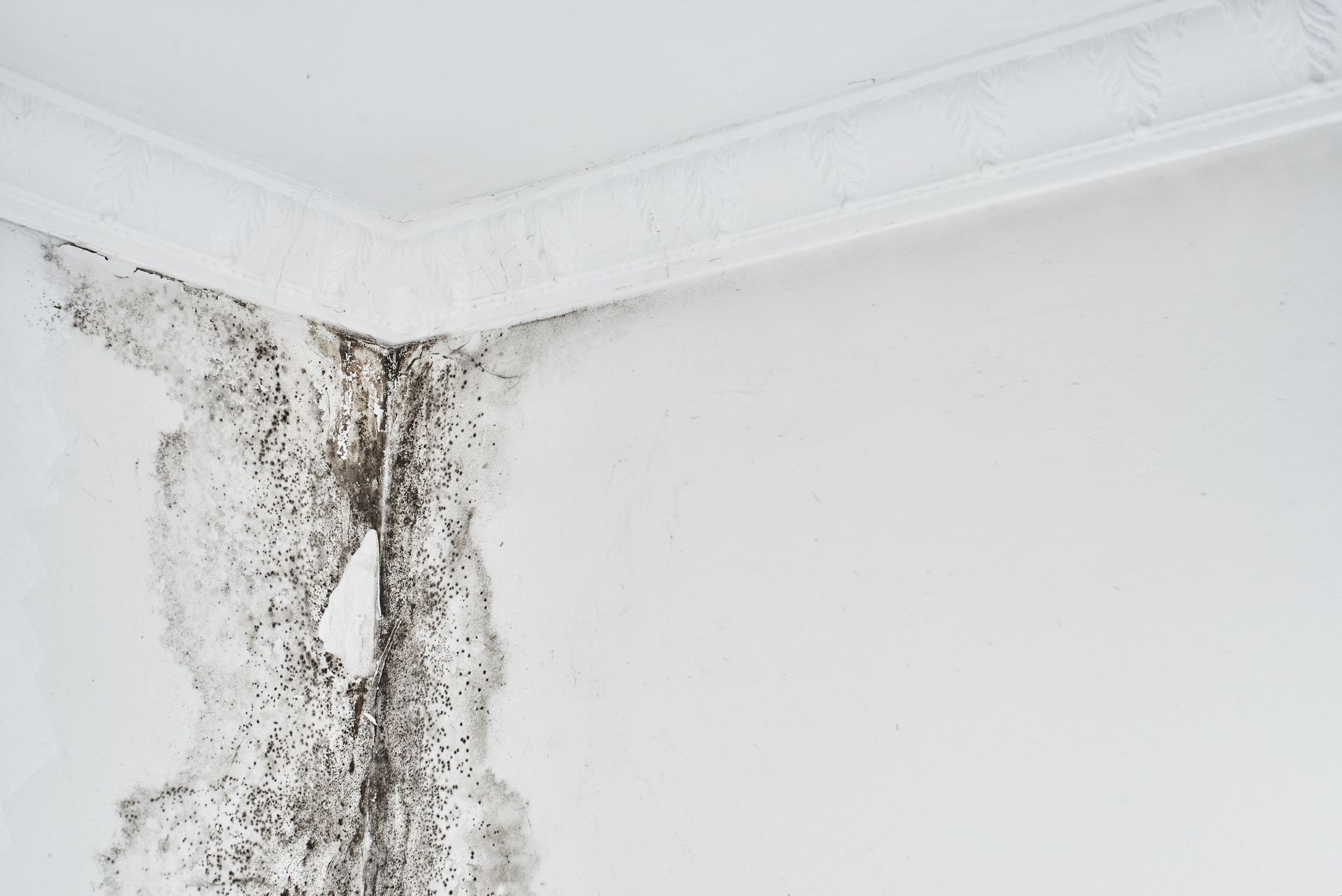
Microscopic spores are a natural part of the environment, but they require a specific set of conditions to colonize. Darkness and moisture are the primary catalysts for fungal growth. A minor leak provides the perfect breeding ground for various types of mold, some of which can begin to colonize within forty-eight hours of exposure. Once mold takes hold, it spreads through HVAC systems and wall cavities, making it difficult to eradicate.
The presence of mold is more than just an aesthetic issue; it poses a direct threat to the air quality within the home. Inhaling these spores can lead to respiratory irritation and long-term health complications for sensitive individuals. Because mold feeds on organic materials like the paper backing on drywall and the glue in plywood, it literally eats the house from the inside out. Prompt water damage restoration is the only reliable method to lower humidity levels enough to stop the growth cycle.
Protect Complex Electrical Systems
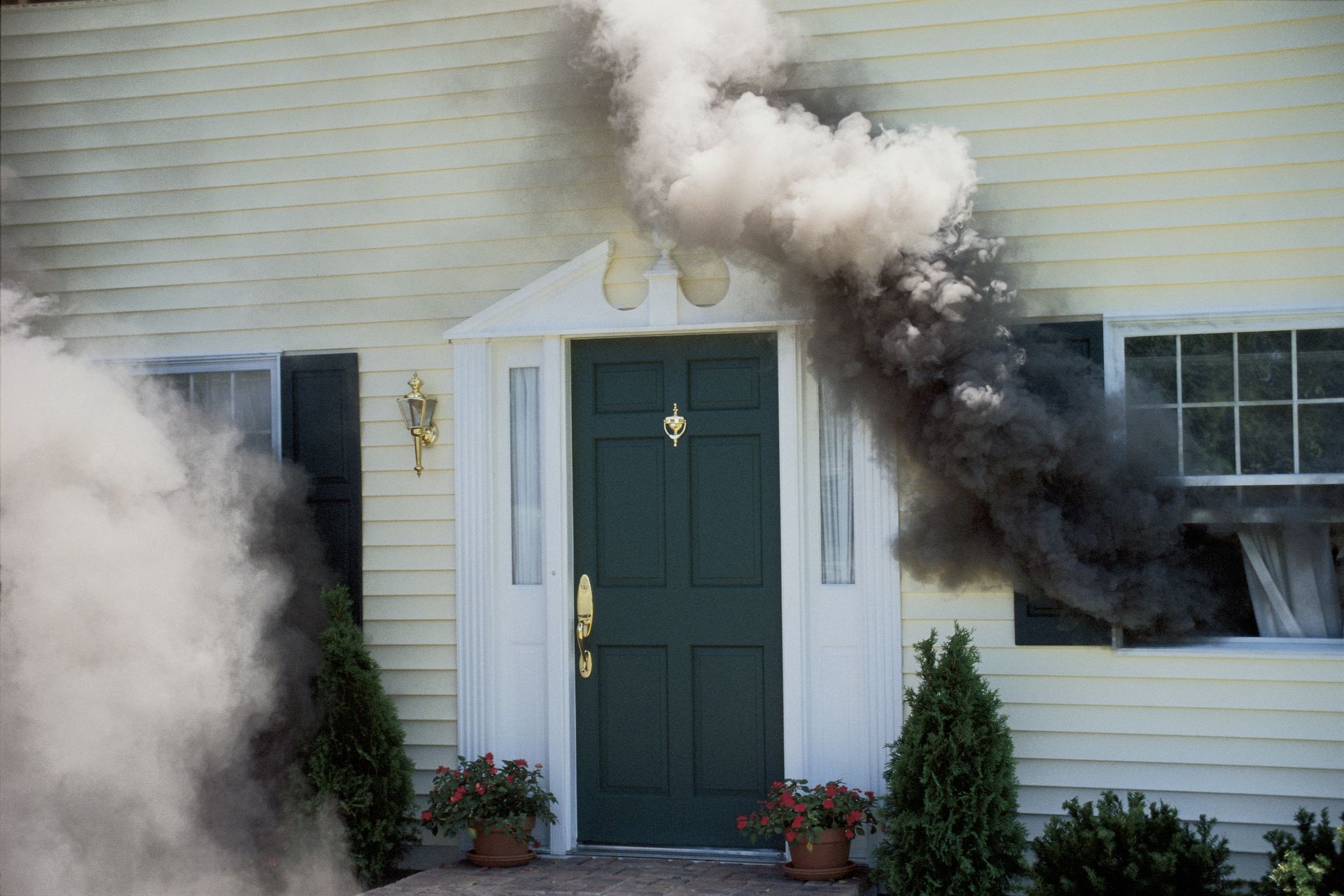
Modern homes are filled with intricate wiring networks that run through the very areas where leaks often occur. Water and electricity are a volatile combination. Even a small amount of moisture infiltrating an electrical outlet or a junction box can cause short circuits. This does not just result in a loss of power; it creates a significant fire hazard. Arcing occurs when electricity jumps across gaps due to compromised insulation, which can ignite nearby dry wood or insulation.
Corrosion is another silent killer of electrical systems. When wires are exposed to dampness, the copper or aluminum begins to degrade, leading to poor connections and overheating. You might notice flickering lights or warm spots on walls, which are urgent warning signs. Addressing these issues early through water damage restoration prevents the need for a total rewiring of the property, which is an incredibly invasive and expensive process.
Minimize Secondary Property Losses
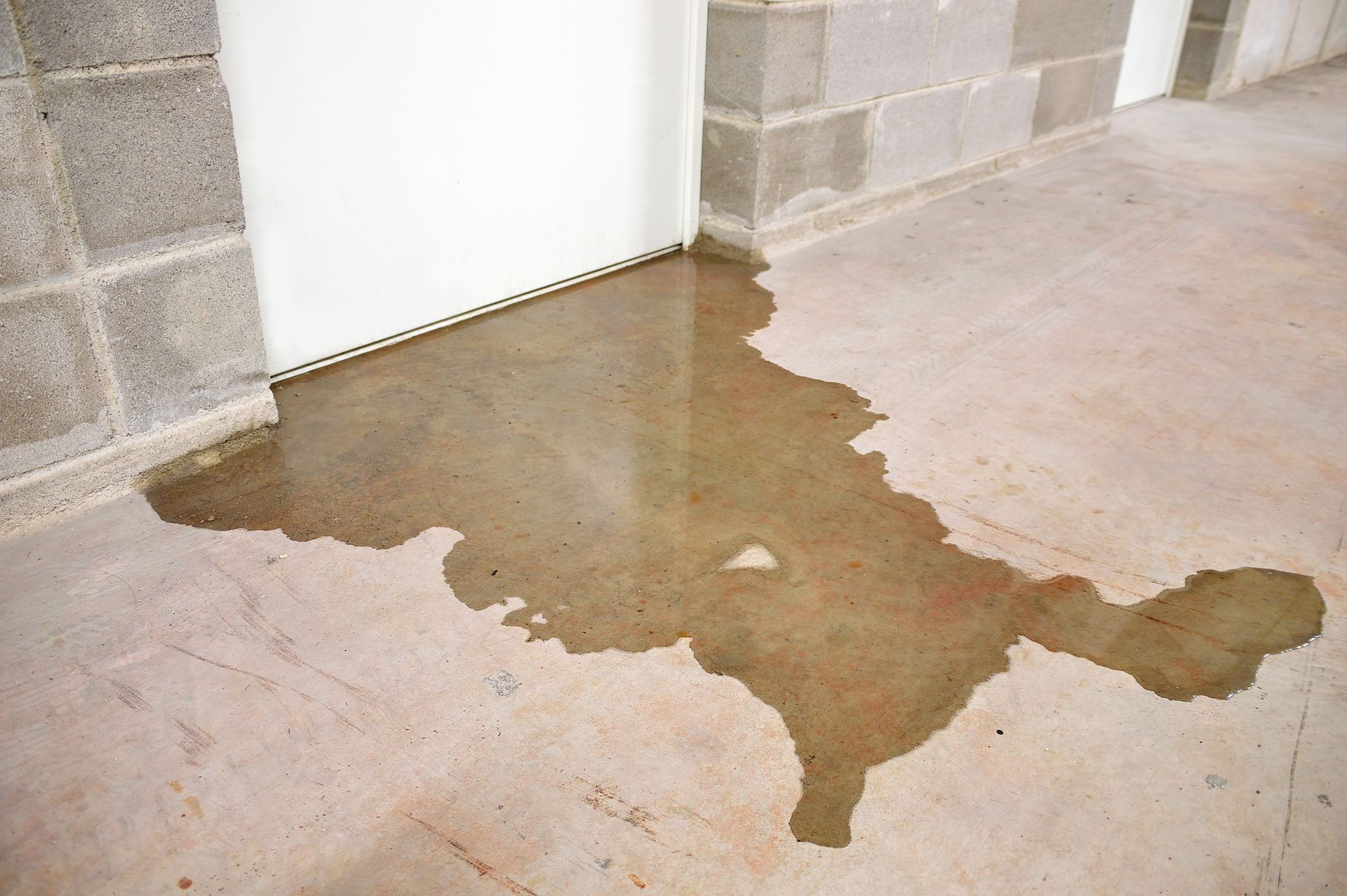
When water enters a space, it rarely stays confined to the point of origin. Through capillary action, moisture can climb up walls and move horizontally across subfloors. This leads to secondary damage, which affects items that were never directly touched by the initial leak. For instance, high humidity in a basement caused by a minor seep can ruin stored photographs, clothing, and upholstered furniture by triggering mildew growth.
To keep your belongings safe, consider the following risks:
- Warping of expensive hardwood flooring located adjacent to a damp area.
- Peeling of high-end wallpaper or bubbling of interior paint.
- Saturation of attic insulation, which destroys its thermal resistance properties.
- Delamination of composite wood furniture kept in high-moisture zones.
By ignoring the small puddle or the damp corner, you are essentially inviting these secondary effects to take hold. Systematic water damage restoration involves using industrial dehumidifiers to pull moisture from the air, protecting your investments from the invisible threat of high humidity.
Eliminate Persistent Odor Sources
A damp home has a distinct, Musty scent that is nearly impossible to mask with candles or air fresheners. This odor is caused by microbial volatile organic compounds released by bacteria and fungi as they break down organic matter. If a leak is left unaddressed, this smell becomes embedded in the carpet fibers, drapes, and even the clothing inside your closets. It serves as a constant reminder that the environment is unsanitary.
These odors are often the first sign that a "minor" problem has become a chronic issue. Even if the surface looks dry, the smell indicates that moisture is trapped in the subfloor or behind the baseboards. Professional water damage restoration teams use specialized deodorization equipment and antimicrobial treatments to neutralize these scents at their source. Removing the moisture is the only way to truly freshen the air and restore the comfort of your living space.
Maintain Long-Term Property Value
For most people, a home is the largest financial investment they will ever make. The history of a property plays a massive role in its market value. During a home inspection, signs of unaddressed water issues are a major red flag for potential buyers. Water stains, even if they are old, suggest a history of neglect and can lead to lower offers or the total collapse of a sale.
Keeping a home in peak condition requires vigilance. When you address leaks immediately, you maintain a paper trail of professional maintenance that proves the integrity of the structure. The practice of water damage restoration is an investment in the equity of the house. It ensures that when the time comes to sell, the building stands as a testament to quality care rather than a collection of hidden liabilities.
- According to RubyHome, around 14,000 people in the U.S. are affected by water damage daily.
- Consistent maintenance reduces the likelihood of emergency repairs.
- Documented restoration work provides peace of mind to future residents.
- Preserving the original materials of the home saves money on material replacement.
The reality is that moisture never resolves itself. It only moves, evaporates into the air to cause humidity issues, or soaks deeper into the bones of the building. The small amount of effort required to fix a minor leak today is a fraction of the labor needed to remediate a mold-infested, structurally compromised house next year. Expert water damage restoration is not just a service for floods; it is a vital tool for everyday home preservation.
If you have discovered a damp spot, a mysterious smell, or a small leak in your home, do not wait for the situation to escalate. Taking action now will save your property from the hidden dangers of rot, mold, and electrical failure. Contact the experts at RESTORx to evaluate your situation and provide the professional care your home deserves.