April 16, 2026
Flood damage is a significant concern for many homeowners, yet a variety of myths persist about its nature and impact. These misconceptions can hinder effective preparation and water damage restoration response time. Understanding the realities of flood damage is crucial for individuals and communities alike to mitigate risks and enhance resilience.
Many people underestimate the likelihood and potential impact of flooding, due in part to wrongful information and assumptions about insurance coverage and property vulnerability. Dispelling these myths is essential not only for personal safety and financial stability but also for broader community well-being.
Misconception 1: All Insurance Covers Flood Damage
Many homeowners operate under the false assumption that their regular insurance policies cover flood damage. While insurance can offer a financial safety net against common perils, standard home insurance does not typically include flood coverage. This means that significant risks can leave homeowners unprotected, potentially leading to severe financial burdens. According to This Old House, a remarkable 43% of homeowners incorrectly believe their home insurance will account for flood damage, highlighting a widespread misunderstanding.
It's crucial to distinguish between water damage and flooding, as insurance coverage typically varies between the two. Insurance generally covers water damage resulting from internal issues like burst pipes, whereas flooding from natural sources often requires separate policies. This distinction can catch homeowners off guard after experiencing a flood that their policy doesn't cover.
Due to the limitations in standard policies, specialized flood insurance is a separate solution tailored to cover flood-related damages. Offered through both private insurers and government-backed programs like the National Flood Insurance Program (NFIP), these policies cater specifically to flooding events. Given the rise in flooding incidents, obtaining specialized insurance is increasingly vital, even for properties not previously considered at risk. Its coverage ensures that homeowners are financially equipped to handle the aftermath of flooding and have access to professional water damage restoration services without solely relying on inadequate standard policies.
Misconception 2: Floods Only Occur Near Large Bodies of Water
While it's intuitive to associate flooding with large bodies of water, urban environments face unique flood risks unrelated to proximity to lakes or oceans. City infrastructure, such as inadequate drainage systems, exposes urban areas to flooding during heavy rains. A city’s high concentration of impermeable surfaces exacerbates this, hindering natural water absorption and increasing runoff. This suggests that urban flooding can impact any city, regardless of its geographical location in relation to substantial rivers or seas.
Climate change has shifted the traditional boundaries of floodplains, often pushing flood risks into unexpected areas. With changing weather patterns, regions normally considered safe from flooding are now experiencing increased precipitation and extreme weather events, leading to unforeseen flooding. This evolving risk has broadened the scope of flood preparedness, encouraging even inland communities to consider flood insurance and proactive prevention. Understanding this shift is crucial for correcting misconceptions about flood zones and ensuring that individuals are adequately prepared and ready for any water damage restoration needs.
Flash floods are particularly problematic as they can occur with little warning in areas not traditionally associated with flooding. Unlike the slower accumulation of water in typical floods, flash floods arise quickly, often resulting from intense rainfall over a short period. This can happen virtually anywhere, catching residents off guard and unprepared.
Misconception 3: Newer Homes Are Impervious to Flood Damage
Though modern construction techniques have vastly improved in many aspects, they cannot render homes completely flood-proof. New technologies do contribute to resilience, but they have limitations and cannot fully account for the unpredictable nature of flood events. Builders may incorporate materials that resist moisture and other innovations designed to mitigate flooding impacts. However, these measures can be outstripped by severe flood scenarios that exceed anticipated levels, leading to damage regardless of new technologies. Recognizing this can help homeowners maintain realistic expectations and invest in additional protective strategies like insurance or landscape modifications.
Even contemporary home designs exhibit vulnerabilities susceptible to flood damage, often related to design features that prioritize aesthetic or convenience over robustness. Features such as expansive basements, low-lying entry points, and flat landscapes can expedite and exacerbate flood impacts. Developers might overlook these vulnerabilities during design and construction phases, particularly outside regular flood zones, leading to unforeseen issues when climate conditions deviate from predictions. Addressing these design susceptibilities requires an integrated approach that includes both architectural foresight and homeowner awareness.
Flood-resistant landscaping is increasingly recognized as a crucial supplement to modern home design, offering vital protection against potential flood damage. Strategic placement of gardens, bioswales, and permeable paving can help manage stormwater and reduce surface runoff, thereby mitigating flood risks. Homeowners can introduce landscape features that direct water away from structures and into areas where it can be absorbed naturally, enhancing resilience. Despite their effectiveness, such landscaping solutions are often underutilized due to a lack of awareness about their benefits.
Misconception 4: Flood Damage is Restricted to Physical Damage
One pervasive myth is that flood damage is solely physical, but such events can have profound health consequences. Floodwaters can carry contaminants, leading to outbreaks of waterborne diseases and posing significant risks to public health. Additionally, the aftermath of flooding often involves mold growth, which can exacerbate respiratory conditions and allergies. These secondary health effects underscore the need for diligent water damage restoration measures including cleanup and public health measures following flood events. Communities must anticipate these risks and adequately prepare, focusing on both preventative health strategies and rapid response capabilities to safeguard residents.
Beyond immediate health concerns, the psychological impact of flooding on individuals and communities can be substantial and long-lasting. The trauma associated with losing one's home, possessions, or even loved ones can lead to anxiety, depression, and post-traumatic stress disorder (PTSD). These emotional strains can compound the challenges faced during recovery, affecting overall well-being and community resilience. Effective psychological support and mental health services following flooding events are critical components of holistic flood recovery efforts.
The economic impact of flood events extends well beyond the immediate costs of repairs and physical restoration. Indirect expenses, including lost productivity, tourism declines, and local business disruptions, can significantly affect regional economies. These effects are often felt for months or even years, underscoring the importance of considering the broader economic implications of flooding. Communities need to incorporate economic resilience strategies into their flood response planning, helping to mitigate long-term financial impacts.
Misconception 5: Flood Mitigation Efforts Are Too Expensive
Although flood mitigation is often perceived as overly costly, community-based strategies offer more affordable alternatives. By leveraging local expertise and resources to implement neighborhood-level initiatives, communities can effectively reduce flood risks. Examples include creating community gardens and rainwater catchment systems, which manage water naturally and reduce flood impacts. Evaluating and prioritizing these cost-effective strategies empowers communities to manage flood risks without excessive financial burdens.
Governments offer various incentives and grants to support flood mitigation efforts, easing the financial burden on communities. Programs at national and local levels can provide funding, technical assistance, and resources to implement preventive measures. These resources can support the adoption of flood-resistant construction techniques, early warning systems, and natural flood management practices.
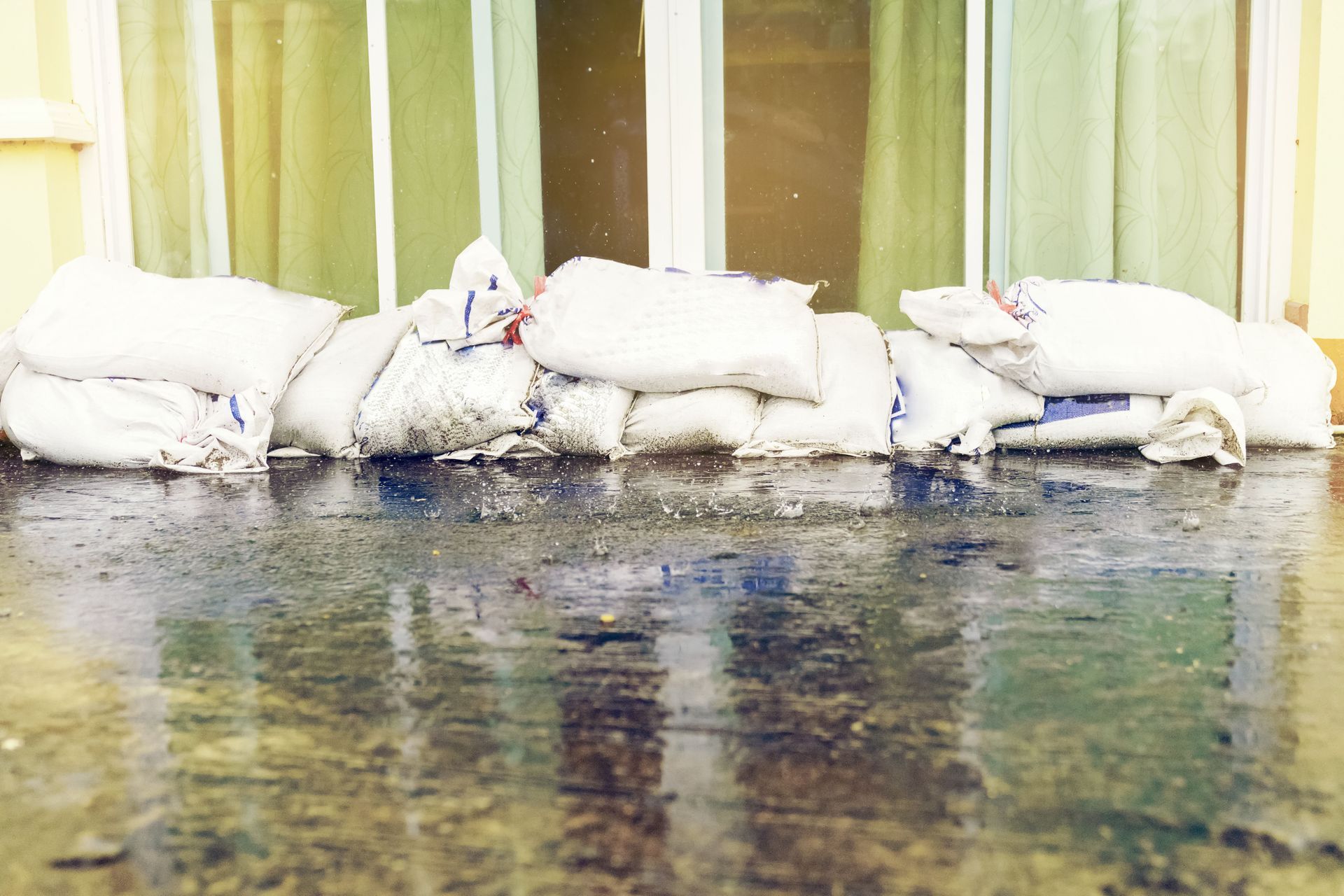
While large-scale flood projects can be costly, individuals can take meaningful steps towards personal flood preparedness in a cost-effective way. Simple measures such as installing rain barrels or flood barriers can significantly mitigate risks at a relatively low cost. Homeowners can also improve resilience by maintaining proper drainage, clearing gutters regularly, and modifying landscapes to manage water flow.
Misunderstandings about flood damage can lead to costly delays and serious long-term issues. Acting quickly and relying on professional
water damage restoration services can make all the difference in protecting your property and health. If you suspect flood damage or want expert guidance, contact RESTORx today to ensure your home or business is restored safely and efficiently.