March 18, 2026
Addressing fire damage promptly and effectively is paramount for recovery. The aftermath of a fire presents complexities that require specialized attention to ensure minimal residual damage and health risks. Leveraging professional fire damage restorations is critical not just for efficiency but also to safeguard the long-term structural integrity of the affected property. Fires can leave hazardous remnants, which, if mishandled, could cause further damage. Engaging professionals ensures that all aspects of post-fire recovery are systematically and safely managed without compromising the safety of occupants.
Fire Damage and Its Impacts
The Nature of Fire Damage
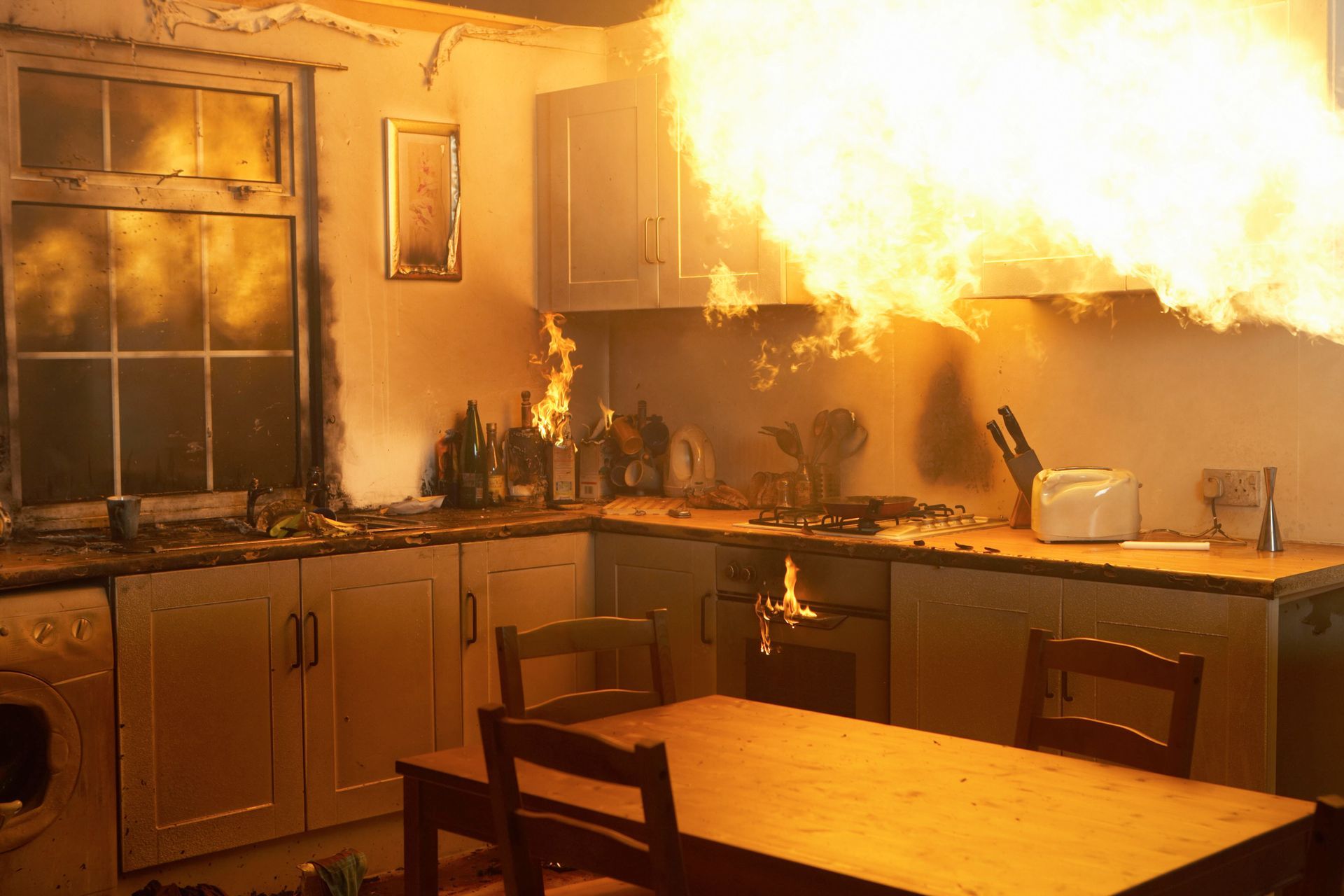
Firstly, fire damage often involves complex interactions of heat, flames, and smoke, leading to the deterioration of structures and belongings. Materials exposed to high temperatures undergo chemical transformations, weakening their structural capacity. This not only compromises immediate safety but also the long-term viability of residences. Effectively dealing with fire damage requires an understanding of how different materials react under extreme heat. Professionals possess the requisite knowledge and skills to appropriately assess damages, mitigating further risks.
Smoke and Water
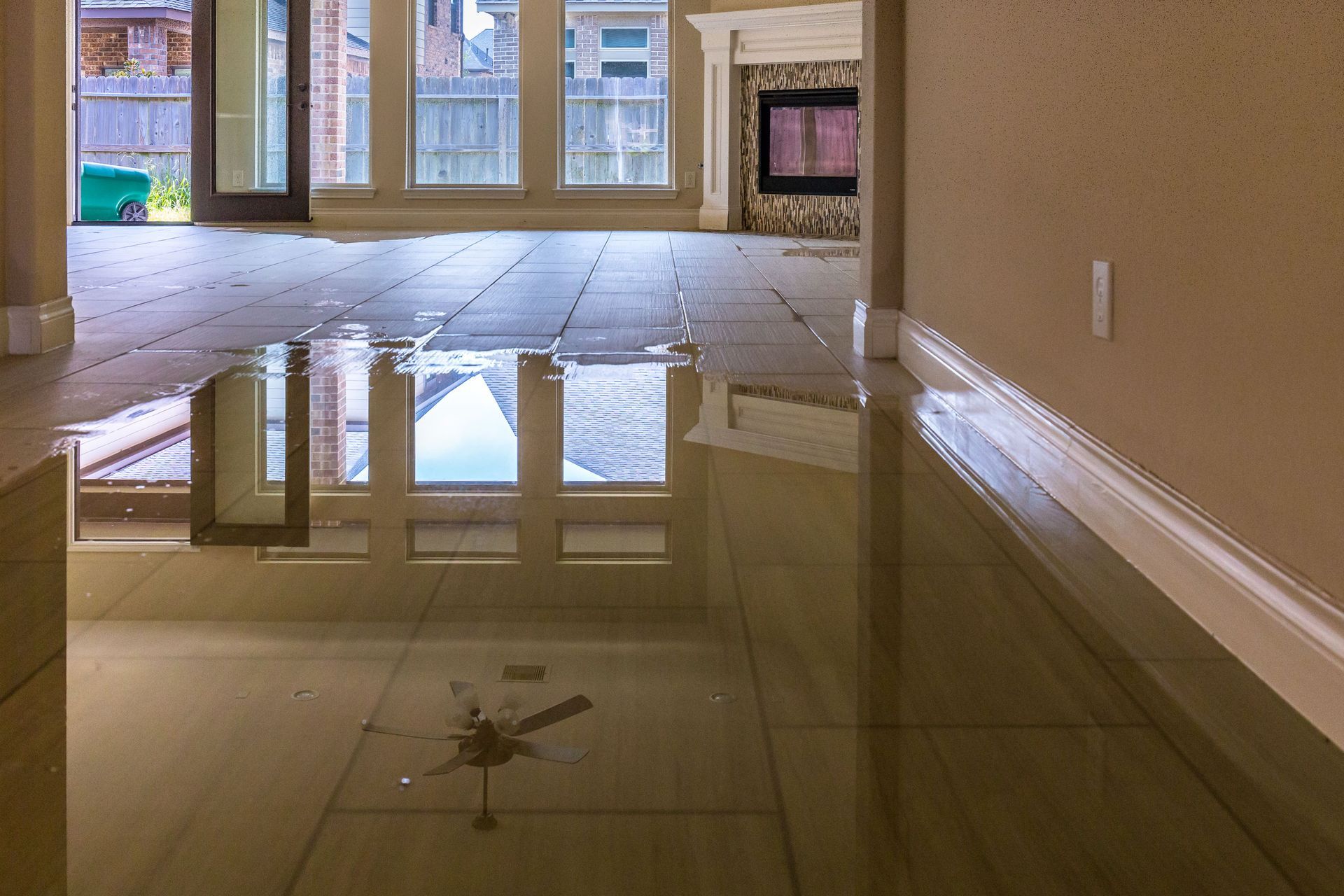
The immediate impact of flames is often compounded by the effects of smoke and water, used in extinguishing the fire. Smoke can penetrate walls, carpet, and upholstery, leaving persistent odors and toxic residues. Meanwhile, water can seep into floors and walls, fostering mold growth if not promptly dealt with. Such secondary damages often present risks that are difficult for untrained individuals to address. Professional restoration companies have the technology and expertise necessary to handle smoke and water damage comprehensively.
The Psychological Impact on Homeowners
Experiencing a fire can have profound psychological impacts on homeowners, who often face feelings of loss, trauma, and uncertainty. The destruction of one's home and belongings is distressing and entails medium- to long-term emotional recovery. According to Disaster Philanthropy, in California alone, there were 7,958 wildfires in 2024, forcing thousands of residents to face displacement and emotional upheaval. Professional restorers do not just restore buildings; they help rebuild lives by managing the process efficiently. Their role becomes one of both technical support and interpersonal assistance, guiding affected families towards rebuilding their lives with resilience.
Health Hazards Post-Fire
The residues and particulates left by fires pose significant health risks that require proper handling. Exposure to soot and lingering smoke poses respiratory threats, aggravates chronic health conditions, and poses dangers even long after the fire is extinguished. Therefore, mitigating these risks goes beyond simple cleaning; it necessitates thorough decontamination by specialists. For fire damage restorations, professionals use specialized equipment to remove contaminants and ensure that homes are safe for inhabitants. Moreover, the invisible nature of many post-fire toxins underscores the necessity for expert intervention to manage air quality and ensure thorough sanitation.
Financial Consequences of Fire Incidents
The financial ramifications of fire incidents extend beyond immediate losses to include long-term recovery costs. The initial destruction of property and valuables constitutes a significant financial burden, especially when insurance coverage may not fully compensate for replacement costs. Furthermore, indirect costs, such as temporary relocation and potential loss of income, exacerbate the economic strain on affected families. Engaging professionals to manage the restoration can ultimately lower costs by ensuring expedient and comprehensive repairs, preventing further deterioration.
Why Choose Professionals for Fire Damage Restorations
Expert Assessment and Evaluation
Fire damage restorations with professionals begin with a thorough, expertise-driven assessment of the affected site. Experts identify the extent of damage and determine which areas require immediate attention. This initial evaluation forms the basis for a detailed action plan aimed at optimum restoration. Proficient evaluators distinguish between salvageable materials and those that pose a safety risk, ensuring that unnecessary expenditures are avoided. Their assessments are critical in providing accurate information to help homeowners understand the scope of restoration required.
Advanced Tools and Techniques
The deployment of advanced tools and techniques is a hallmark of professional restoration services. Experts are equipped with state-of-the-art technology that enables thorough cleaning and damage mitigation. These tools allow for precision in addressing even hidden damages that untrained eyes might overlook. Techniques such as thermal imaging and moisture meters reveal issues beyond normal sight, ensuring comprehensive recovery. The use of such advanced methodologies ensures that restoration efforts are both effective and efficient.
Comprehensive Smoke and Soot Removal
Smoke and soot from fires cling to surfaces and penetrate deeply, necessitating specialized removal techniques. Professionals utilize different cleaning agents and methods tailored to various materials impacted by smoke. The aim is to eradicate persistent odors and prevent long-term discoloration of surfaces. Comprehensive cleaning involves using vacuum systems, ozone treatments, and other technologies to cleanse and deodorize all affected areas. The expertise of professionals ensures that these processes are done significantly better, restoring the property to a habitable condition.
Water Mitigation and Mold Prevention
Water used during firefighting efforts poses a threat of its own, often leading to water damage and mold growth. Restoration professionals address this by employing swift water mitigation steps. They use commercial-grade dehumidifiers and air movers to eliminate moisture rapidly and prevent mold proliferation. Mold not only damages property but also poses serious health risks, making mitigation a priority in restoration. Regular monitoring during and after drying processes ensures effectiveness and gives homeowners peace of mind.
The Process of Fire Damage Restorations
Initial Inspection and Damage Assessment
The initial inspection is a crucial step in the professional restoration process, setting the stage for a targeted response plan. Restoration experts begin by thoroughly inspecting the entire property to assess the full extent of damage. This step also involves identifying any safety hazards that need immediate attention. A detailed damage assessment allows the restoration team to prioritize tasks effectively, ensuring that crucial areas are addressed first. Documentation during this phase is thorough, assisting in both restoration planning and insurance claims.
Board-Up and Roof-Tarp Services
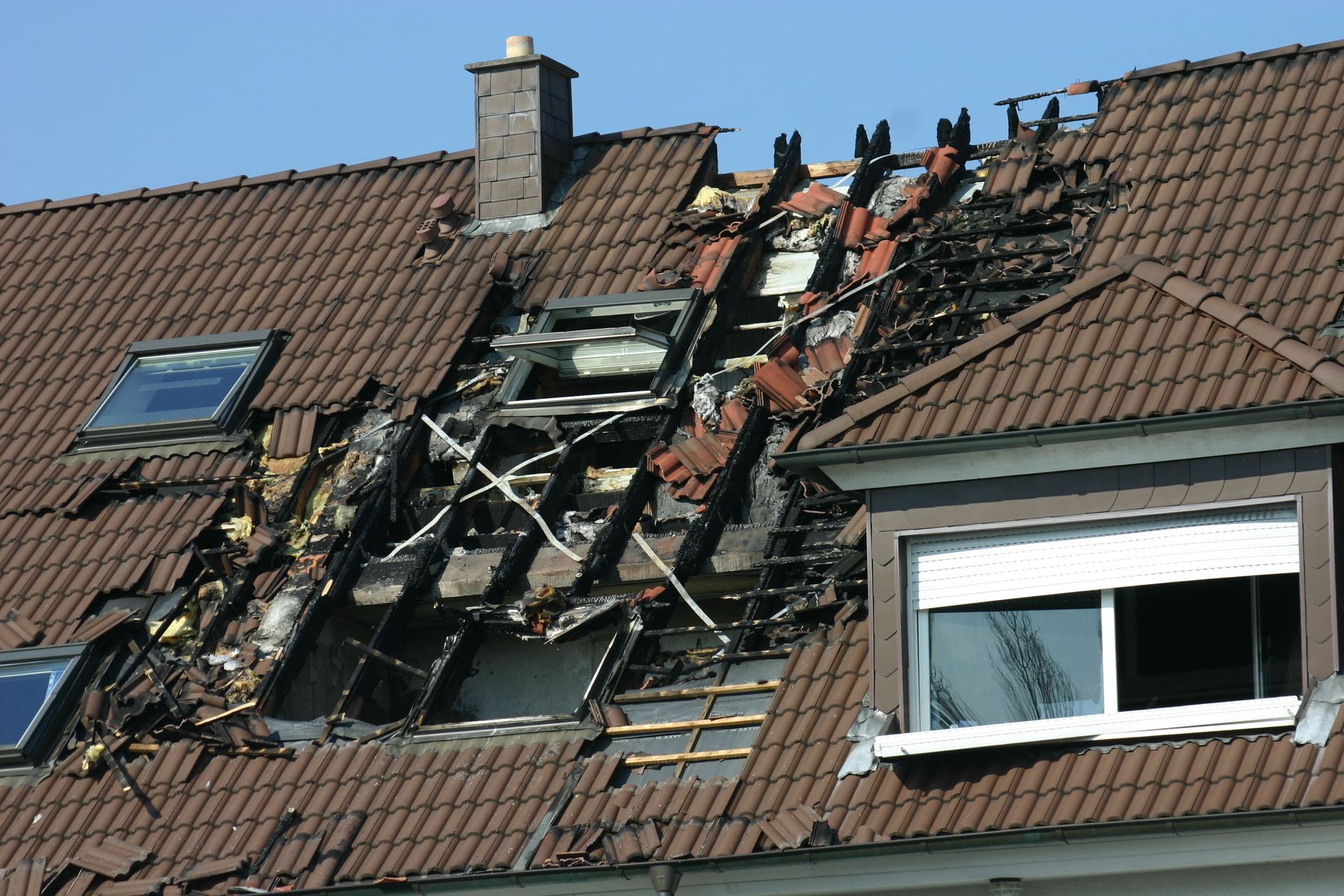
Post-fire, structures are often left exposed and vulnerable to the elements, requiring immediate stabilization measures. Board-up services cover openings such as windows and doors, preventing weather damage and unauthorized access. Roof-tarp services protect the roof from rain, further damage, and water ingress. These temporary protective measures safeguard the property while detailed restoration plans are executed. Ensuring structural security also mitigates risks associated with additional damage, ultimately reducing overall restoration costs.
Water Removal and Drying Processes
Once structural integrity is assured, the focus shifts to removing water and drying affected areas. Professional teams use pumps and vacuum units to extract excess water quickly and efficiently. This is followed by high-capacity drying equipment that removes moisture from floors, walls, and ceilings. Proper air circulation and drying techniques prevent mold growth and warping of materials. Ensuring complete dryness is crucial for further restoration steps, including cleaning and reconstruction.
Cleaning and Sanitizing Structures and Belongings
Cleaning and sanitizing form the next phase, focusing on restoring the property to a habitable state. Specialized cleaning agents and techniques remove soot, smoke residues, and odors from various surfaces and contents. This process not only involves the building structure but also belongings, with a focus on salvaging and restoring as much as possible. Sanitization is essential to eliminate any health hazards left by fire residues. Professional teams ensure that homes are not only clean but also safe for reoccupation.
Professional fire damage restorations play a critical role in efficiently managing recovery from fire incidents. Comprehensive knowledge and advanced technologies fuse to mitigate damage, ensuring prompt and safe restorations. Institutional preparedness and effective partnerships with professionals provide a foundation for tackling fire damage challenges. Contact RESTORx today for more information.