February 18, 2026
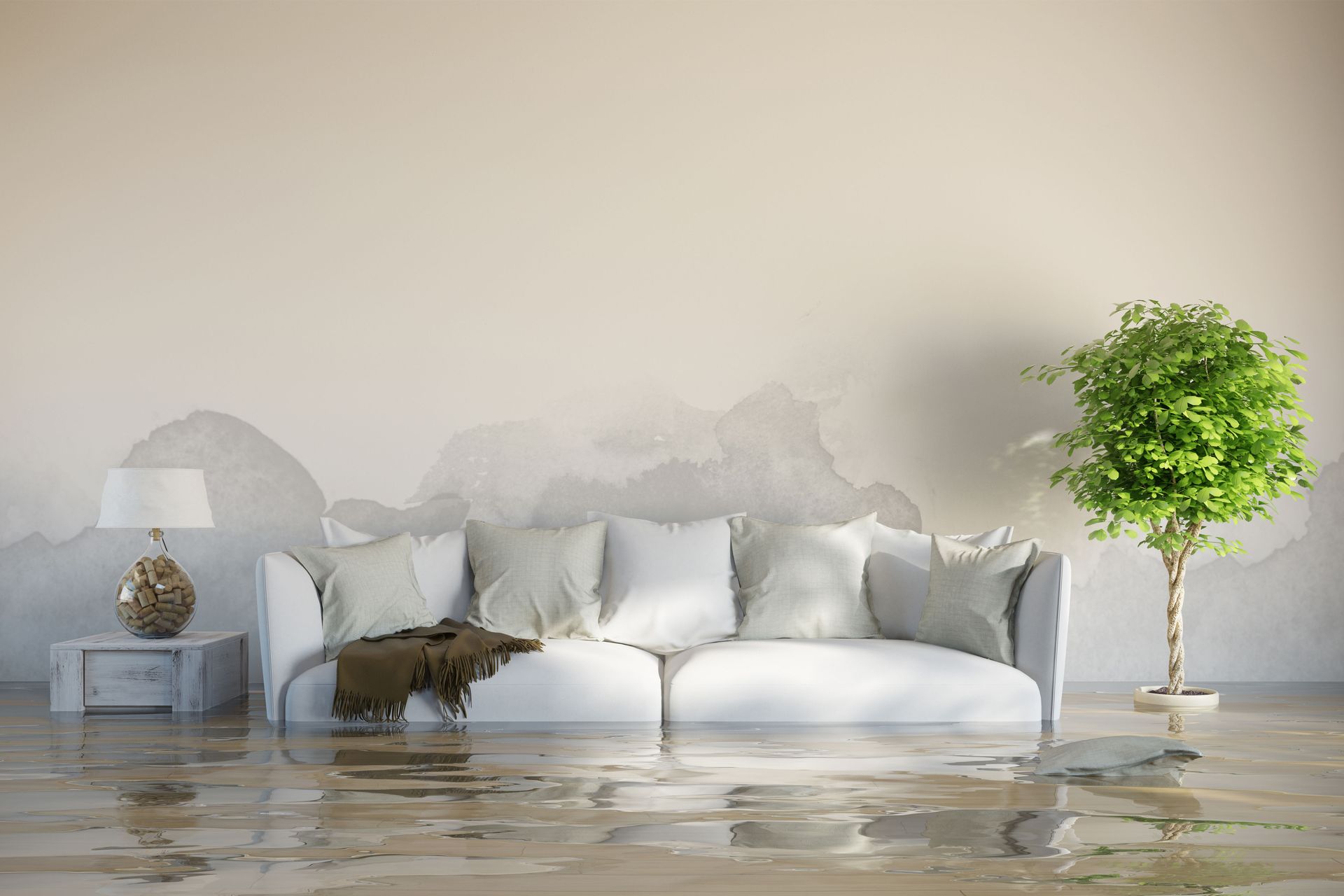
When floodwaters enter your home, the impact can feel overwhelming. Floors may be soaked, drywall swollen, belongings damaged, and the air heavy with moisture. Beyond what you can see, hidden water can seep into structural components and create conditions that threaten your home's safety and indoor air quality. In these moments, professional water damage restoration services play a critical role in returning your property to a safe, healthy living environment.
Understanding the True Impact of Flood Damage
Flood damage affects far more than what appears on the surface. Water can travel through walls, under flooring, and into insulation, creating hidden pockets of moisture. Even a small amount of standing water can saturate porous materials and compromise structural components.
Homeowners are often surprised to learn how insurance coverage works in these situations. According to PolicyGenius, more than 50% of homeowners don't realize that flood damage is not covered under standard home insurance policies. This underscores the importance of understanding your coverage and taking swift action to mitigate damage as soon as it occurs.
Effective water damage restoration begins with a comprehensive understanding of how water behaves inside a structure. Professionals assess the full scope of the damage, including areas that are not immediately visible, to ensure no moisture is left behind to cause future problems.
Time is a critical factor after a flood event. The longer water sits, the greater the potential for structural damage and mold development. Materials such as carpet, padding, insulation, and drywall can become irreversibly damaged if not addressed promptly.
A rapid response team will begin with a thorough inspection. Using moisture meters, thermal imaging cameras, and other advanced tools, they identify all affected areas. From there, water extraction begins. High-powered pumps and vacuums remove standing water efficiently, reducing the amount of moisture that can seep deeper into building materials.
Once visible water is removed, the drying process starts. Industrial-grade air movers and dehumidifiers are strategically placed to promote airflow and draw moisture out of walls, floors, and other structural components. This phase is essential to prevent secondary damage and create a stable environment for repairs.
Prompt water damage restoration reduces the risk of long-term issues, protects the structural integrity of your home, and helps ensure that your indoor air quality remains safe.
Restoring Your Home After Flood Damage
Flood damage restoration is a multi-step process that goes well beyond drying surfaces. Floodwater may contain contaminants, debris, and microorganisms that pose health risks. As a result, cleaning and sanitizing are vital components of the restoration process.
After extraction and drying, affected surfaces are thoroughly cleaned using specialized solutions designed to remove contaminants and neutralize odors. In some cases, materials that cannot be effectively cleaned or restored must be removed and replaced. This might include sections of drywall, flooring, or insulation.
A comprehensive water damage restoration plan also addresses structural repairs. Once the home is fully dried and sanitized, professionals begin rebuilding damaged areas. This can include replacing drywall, installing new flooring, repairing cabinetry, and restoring other structural elements to their pre-loss condition.
Tackling Mold Growth After Water Damage
Mold growth is one of the most common and concerning consequences of flood damage. When moisture lingers in hidden areas, mold spores can settle and multiply rapidly. Mold can develop on drywall, wood, carpeting, insulation, and even within HVAC systems.
Professional mold damage restoration involves identifying affected areas, containing the spread, and safely removing contaminated materials. Containment measures, such as physical barriers and negative air pressure systems, help prevent spores from spreading to unaffected areas of the home.
Technicians use specialized equipment and cleaning agents to remove mold colonies and treat surfaces. Air filtration devices may be employed to capture airborne spores, improving indoor air quality during the remediation process.
Certified water damage restoration technicians understand the close relationship between water intrusion and mold growth. By addressing moisture at its source and ensuring thorough drying, they significantly reduce the likelihood of future mold issues.
Protecting Your Home's Structure After Storm Damage
Flooding is often associated with severe storms that can also cause roof damage, broken windows, and compromised structural elements. In these cases, storm damage restoration becomes an essential part of the recovery process.
Storms can tear shingles from roofs, damage siding, and create openings that allow water to enter. Even small breaches in the building envelope can lead to significant water intrusion over time. Professional restoration teams assess all storm-related damage to identify vulnerabilities that could allow further moisture infiltration.
Temporary protective measures may be implemented immediately to secure the property and prevent additional exposure. Once the structure is stabilized, repairs and restoration efforts focus on returning the home to a safe and secure condition.
A coordinated approach that includes flood damage restoration and storm damage restoration ensures that both visible and hidden issues are addressed comprehensively.
Protecting Indoor Air Quality
Flood events can significantly affect indoor air quality. Beyond visible water damage, contaminants and microscopic particles may linger in the air. Mold spores, bacteria, and other pollutants can circulate through HVAC systems and settle on surfaces.
Restoration professionals use air scrubbers and filtration devices to remove airborne particles during the cleanup process. Cleaning and sanitizing surfaces further reduces potential contaminants.
In some cases, HVAC systems require inspection and cleaning to prevent the recirculation of moisture or spores. Ensuring that air ducts and ventilation components are dry and clean helps restore a healthy indoor environment.
A full-service water damage restoration provider takes a holistic approach, addressing not only structural repairs but also the environmental factors that contribute to a safe and comfortable home.
Restoring Structural Integrity
Floodwater can weaken structural components, especially if it remains in contact with materials for an extended period. Wood framing may swell or warp, subflooring can deteriorate, and foundational elements may be affected.
Professional water damage restoration teams carefully evaluate the structural integrity of the home. Damaged materials are removed and replaced to ensure that the property remains stable and secure. Reinforcing compromised areas and restoring load-bearing elements are critical steps in the rebuilding process.
This attention to structural detail distinguishes professional restoration from surface-level cleanup. The goal is to return the home to a condition that is not only visually restored but also structurally sound and safe for long-term occupancy.
Preventing Secondary Damage
One of the primary goals of professional restoration is preventing secondary damage. Even after visible water is removed, residual moisture can continue to cause problems if not properly addressed.
Secondary damage may include mold growth, wood rot, peeling paint, warped flooring, and compromised insulation. These issues can develop gradually, sometimes going unnoticed until they become severe.
Through comprehensive assessment, precise drying, and careful monitoring, restoration professionals help prevent these complications. Their expertise ensures that moisture levels are reduced to safe thresholds, minimizing the risk of ongoing deterioration.
This proactive approach protects both the immediate and long-term health of your home.
Flood events often require multiple services working together seamlessly. From board-up services to storm damage restoration and mold remediation, a coordinated strategy ensures that every aspect of the damage is addressed.
Professionals begin with stabilization and mitigation, move into drying and cleaning, and conclude with repairs and reconstruction. Each phase builds upon the previous one, creating a structured path toward full recovery.
Working with a single restoration company that offers a comprehensive range of services simplifies the process. Communication remains consistent, timelines are streamlined, and the transition from mitigation to rebuilding is smooth.
Returning to a Healthy Home
The path back to a healthy home after flood damage involves more than simply removing water. It requires expertise, advanced equipment, and a commitment to thoroughness at every stage of the process.
From initial assessment and extraction to mold remediation, structural repairs, and final inspections, professional restoration services provide the comprehensive care your home needs. By addressing both visible damage and hidden moisture, they help safeguard your property and your family's health.
Floods and storms can be unpredictable, but your response does not have to be. With the right team in place, recovery becomes a structured, manageable process focused on restoring safety, stability, and comfort. If your home needs water damage restoration services, reach out to RESTORx today.