November 23, 2026
Water damage can be a silent adversary for many homeowners, often going unnoticed until significant problems arise. Addressing water damage promptly is crucial to preserving the integrity and value of one's home. This article will delve into the numerous benefits of timely water damage restorations, spanning from structural preservation to enhanced safety and emotional well-being. Timely intervention can save homeowners from costly repairs, prevent health hazards, and maintain the aesthetic appeal of their property. Through this comprehensive exploration, we will highlight why addressing water damage should be a priority for every property owner.
Prevention of Structural Damage
Foundation Integrity
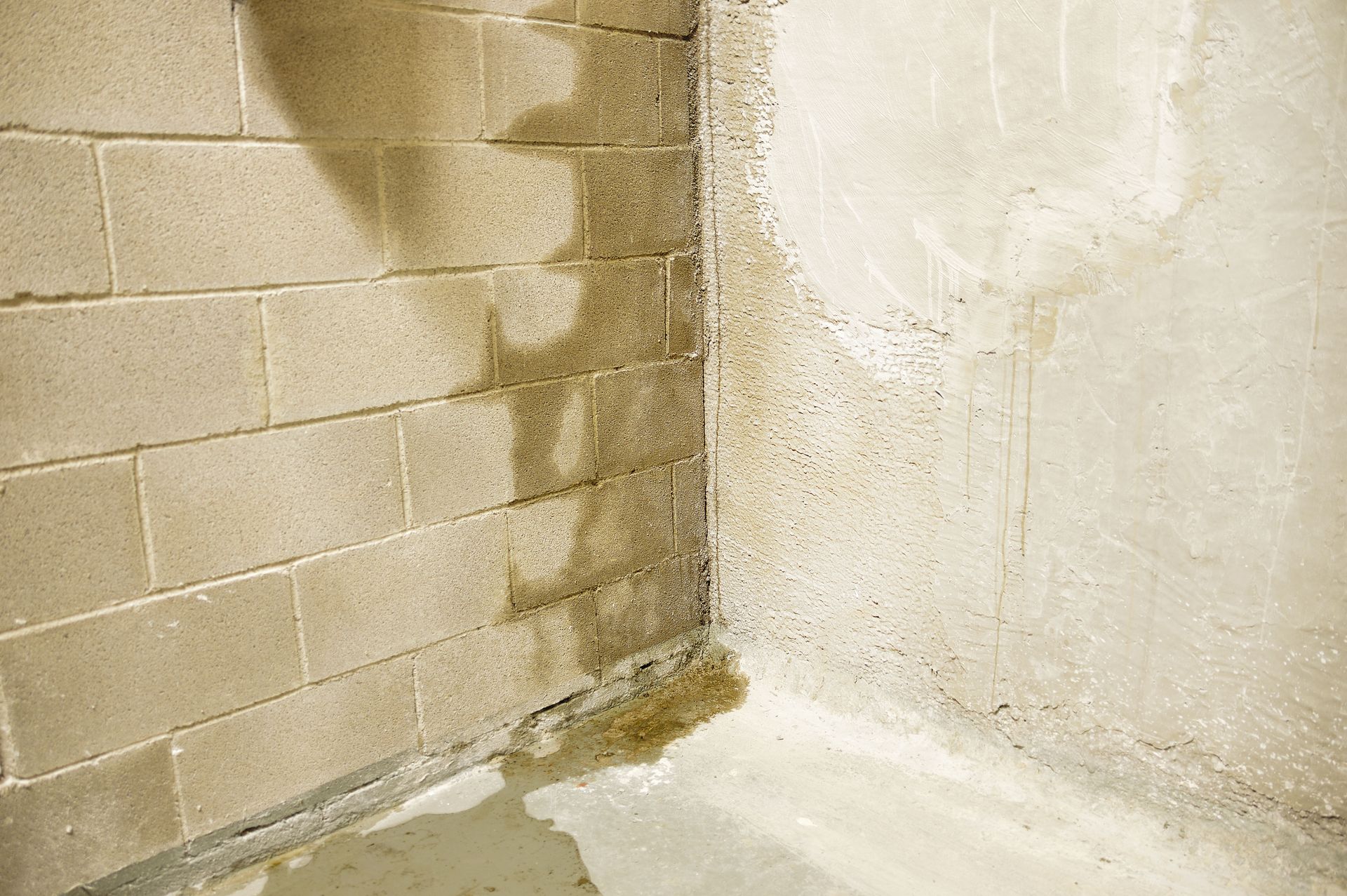
Foundation integrity is paramount when considering the long-term stability of a home. Water damage can compromise a home's foundation, leading to severe structural issues that are both expensive and complex to repair. When water seeps into the foundation, it can result in cracks, which may eventually cause the entire structure to shift. Timely water damage restoration is essential in maintaining the strength and stability of the foundation, preventing these severe repercussions. By addressing issues before they escalate, homeowners can safeguard their homes against irreversible damage.
Wall and Ceiling Preservation
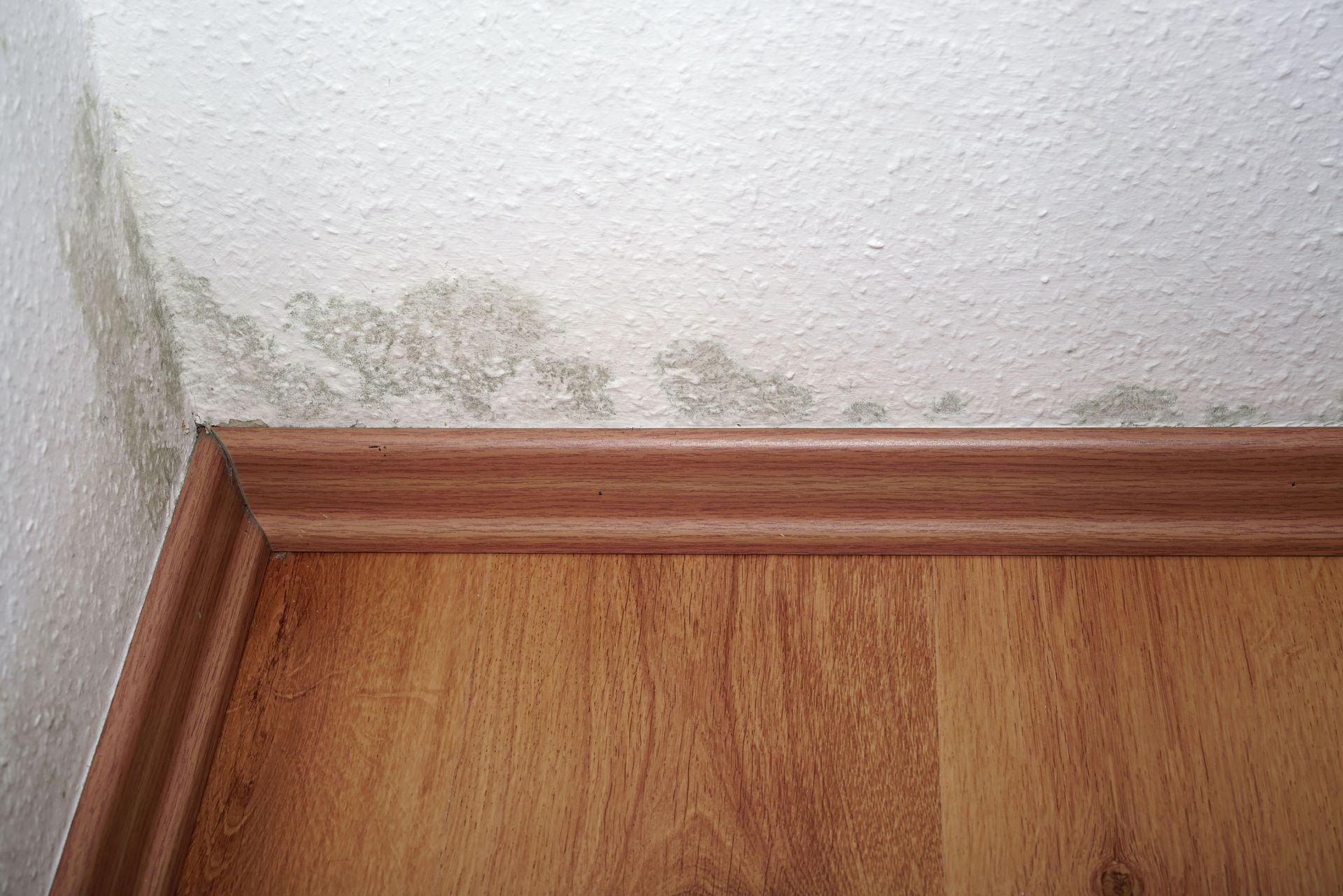
Walls and ceilings are not only structural elements but also contribute significantly to a home's aesthetics. Water damage can lead to unsightly stains, warping, and even mold growth, which can degrade the beauty and integrity of these structures. Restorative measures can help prevent the deterioration of walls and ceilings, maintaining their appearance and structural soundness. Properly addressing water damage also ensures that the underlying materials remain undamaged, which can help avoid costly future repairs. Through vigilant maintenance and restoration, homeowners can preserve the pristine condition of their living spaces.
Flooring Protection
Diverse types of flooring materials, such as hardwood, tile, and carpet, each have unique vulnerabilities to water damage. Water intrusion can lead to warping, discoloration, and mold growth, drastically shortening the lifespan of flooring. Implementing timely restoration practices can protect flooring from these water-related issues, ensuring longevity and aesthetic appeal. It is essential to address water damage quickly to avoid replacement costs and maintain the beauty of interior spaces. Ensuring effective protection against water damage involves addressing vulnerabilities specific to each type of flooring.
Mold Growth Prevention
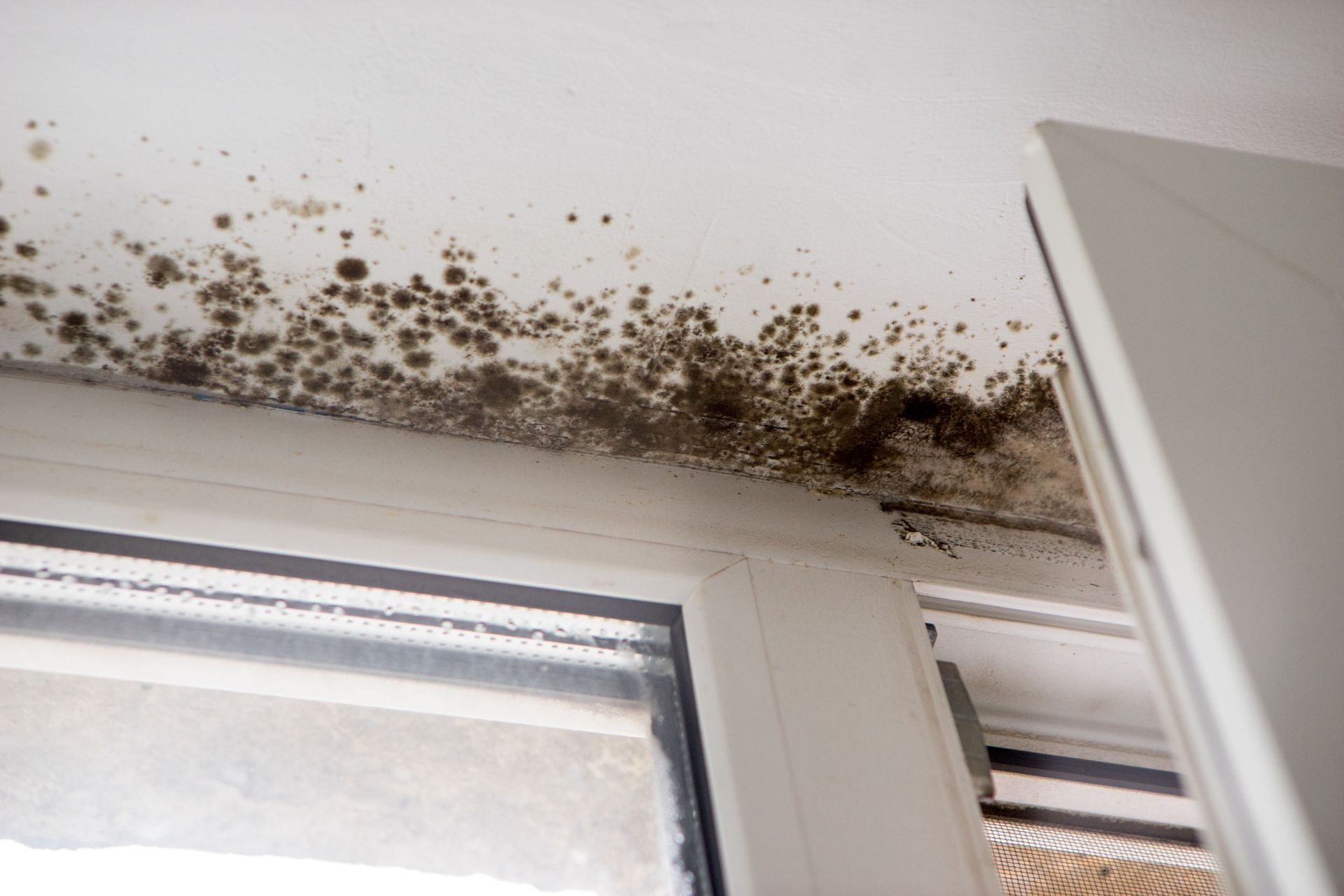
Mold is a pervasive issue that commonly follows untreated water damage, posing health risks to residents. Water damage restoration plays a critical role in controlling and preventing the development of mold. By addressing moisture issues promptly, homes can remain safe and mold-free environments. Mold proliferation not only affects the air quality but can also cause structural damage over time if left unaddressed. Restorative practices ensure that mold is effectively managed, protecting both the health of occupants and the integrity of their homes.
Roofing Stability
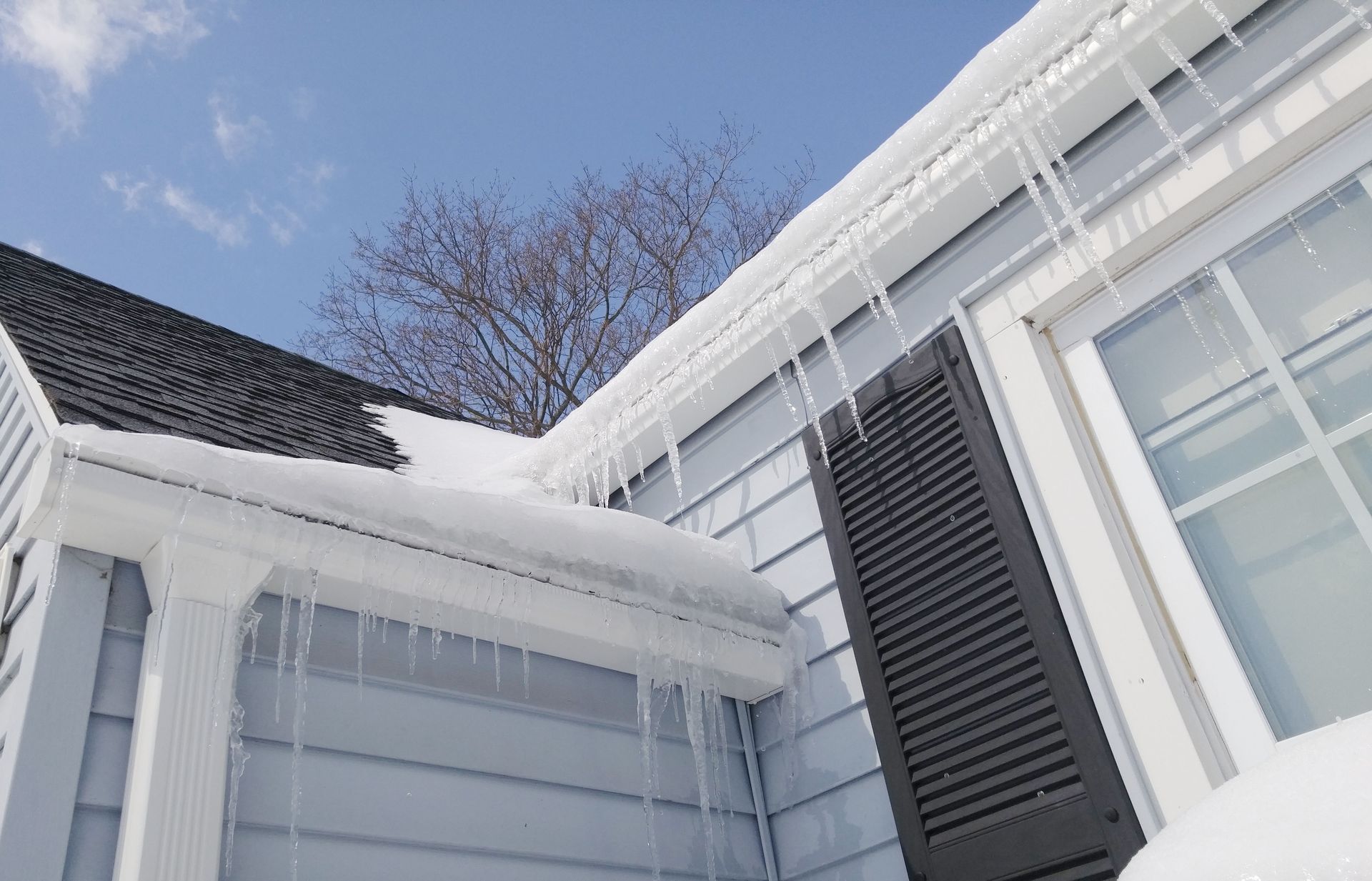
The roof is a home's first line of defense against water intrusion from precipitation. Water damage, if not addressed, can compromise roofing materials, leading to leaks and structural weakness. Implementing timely restoration paves the way for maintaining roof integrity, preventing severe issues like leaks and collapsing. Proper maintenance of the roofing system ensures that it continues to protect the home efficiently without compromise. Investing in water damage restoration not only reinforces roofing stability but also enhances the overall durability of the home.
Cost-Effectiveness of Early Intervention
Cost Comparison with Extensive Repairs
Early intervention through water damage restoration is significantly more cost-effective than waiting until major repairs become necessary. Addressing minor issues as they arise can prevent more extensive damage, which often incurs higher costs and requires more resources to fix. The financial burden of immediate restoration is relatively lower compared to the long-term expense of addressing cumulative damages. Being proactive can result in significant savings for homeowners, preserving their financial resources for other priorities. Ultimately, taking preventive action is a wise investment that offsets the steep costs of major home repairs.
Insurance Premium Implications
According to This Old House, 43% of homeowners incorrectly believe home insurance accounts for flood damage. However, many standard homeowner policies do not cover flood-related expenses. Timely water damage restoration can positively impact insurance premiums, as well-managed homes are less likely to require frequent claims. Insurance providers often view well-maintained properties more favorably, which can result in reduced premium costs. By taking preventive measures, homeowners not only lower the risk of water damage but also potentially benefit from insurance incentives.
Preservation of Property Value
Preserving property value is a key consideration for any homeowner planning to sell or refinance their home. Water damage can significantly undermine the market value of a property, making early intervention crucial to maintaining its worth. Restoration efforts help demonstrate a commitment to property stewardship, which is appealing to prospective buyers or evaluators. Addressing water damage promptly ensures problems are fixed before they can devalue a property or deter interested buyers. A well-maintained home retains its appeal and financial valuation, making restoration efforts a sound economic strategy.
Utility Cost Management
Unaddressed water damage can lead to inefficiencies in heating, cooling, and insulation, leading to inflated utility bills. Restoration efforts focus on sealing leaks and repairing damage, ensuring homes remain energy-efficient. By minimizing utility costs through effective water damage control, homeowners can reduce their household expenses significantly. Regular upkeep prevents water-related issues from causing undue strain on utility systems, ultimately contributing to overall household savings. Investing in restoration is not only a means of preserving home integrity but also a sensible approach to managing ongoing living costs.
Preventing Hidden Costs
Many potential costs associated with water damage remain hidden until they manifest as serious issues requiring attention. Timely restoration helps identify and address minor problems before they become major financial burdens. By averting these hidden costs, homeowners can maintain financial stability without unexpected repair expenses. Restoration practices help mitigate problems like mold, structural decay, and electrical faults before they require costly interventions. Ultimately, by investing in early water damage control, homeowners strategically prevent unforeseen expenses and protect their investments.
Health Benefits
Reduction of Allergens
Water damage restoration plays a crucial role in reducing allergens within a home, thereby improving indoor air quality. Moist environments foster the growth of mold and mildew, both of which are common allergens that can exacerbate respiratory issues. By addressing water damage promptly, homeowners can maintain a healthier living environment free from mold spores and dust mites. This proactive approach contributes to better overall health conditions, especially for individuals with respiratory sensitivities or allergies. Restoration is instrumental in creating a living space that supports good health through allergen reduction.
Mold-Related Health Mitigation
Mold poses several health risks, including respiratory issues, skin irritation, and even more severe health conditions in vulnerable individuals. Through water damage restoration, the conditions conducive to mold growth can be eliminated, thereby mitigating potential health risks. Ensuring proper ventilation and addressing moisture problems are key components of preventing mold-related health issues. By prioritizing restorative measures, homeowners safeguard their families against the adverse effects of mold exposure. Health-focused restoration practices are essential in maintaining a safe living environment for all residents.
Addressing water damage has direct benefits for individuals' respiratory health, as it reduces moisture levels that can harbor contaminants. Homes with proper restoration are less likely to experience mold growth and airborne irritants, contributing to better respiratory conditions. People with pre-existing respiratory illnesses often find significant relief when water damage-related issues are mitigated. The improvement of indoor air quality through restoration practices is a vital aspect of enhancing overall respiratory health. Maintaining this focus leads to a healthier and more comfortable living situation for all occupants. Be sure to reach out to RESTORx today to learn more about our professional
water damage restorations!