November 23, 2026
Black mold is a type of fungus that thrives in damp and poorly ventilated environments, making it a common concern in residential properties. Mold exposure can contribute to allergic reactions, respiratory irritation, and other health concerns, particularly among sensitive individuals. Understanding the importance of black mold remediations helps homeowners address contamination before it spreads throughout their living spaces. This guide explores common causes, potential health effects, inspection methods, removal techniques, and preventative strategies. Maintaining a dry, well-ventilated home is essential for protecting indoor air quality and preserving structural materials.
Understanding Black Mold and How It Forms
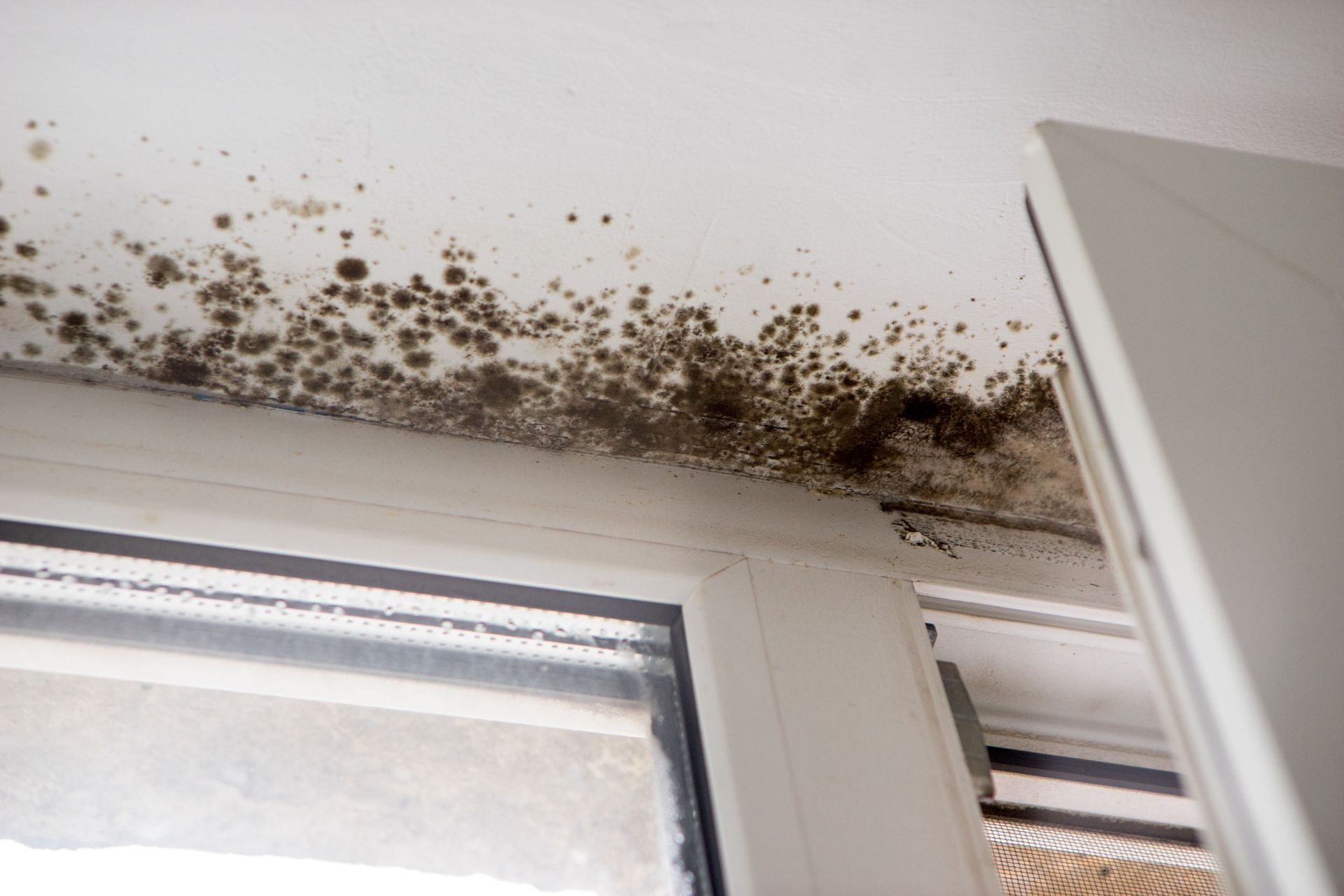
Black mold is commonly associated with Stachybotrys chartarum, a fungus that often appears dark green or black. However, other mold species, including Aspergillus and Cladosporium, may also produce dark-colored growth. Mold develops when airborne spores encounter moisture and suitable organic materials, such as drywall, wood, carpeting, or insulation. Because different species can look similar, appearance alone cannot reliably identify a particular mold.
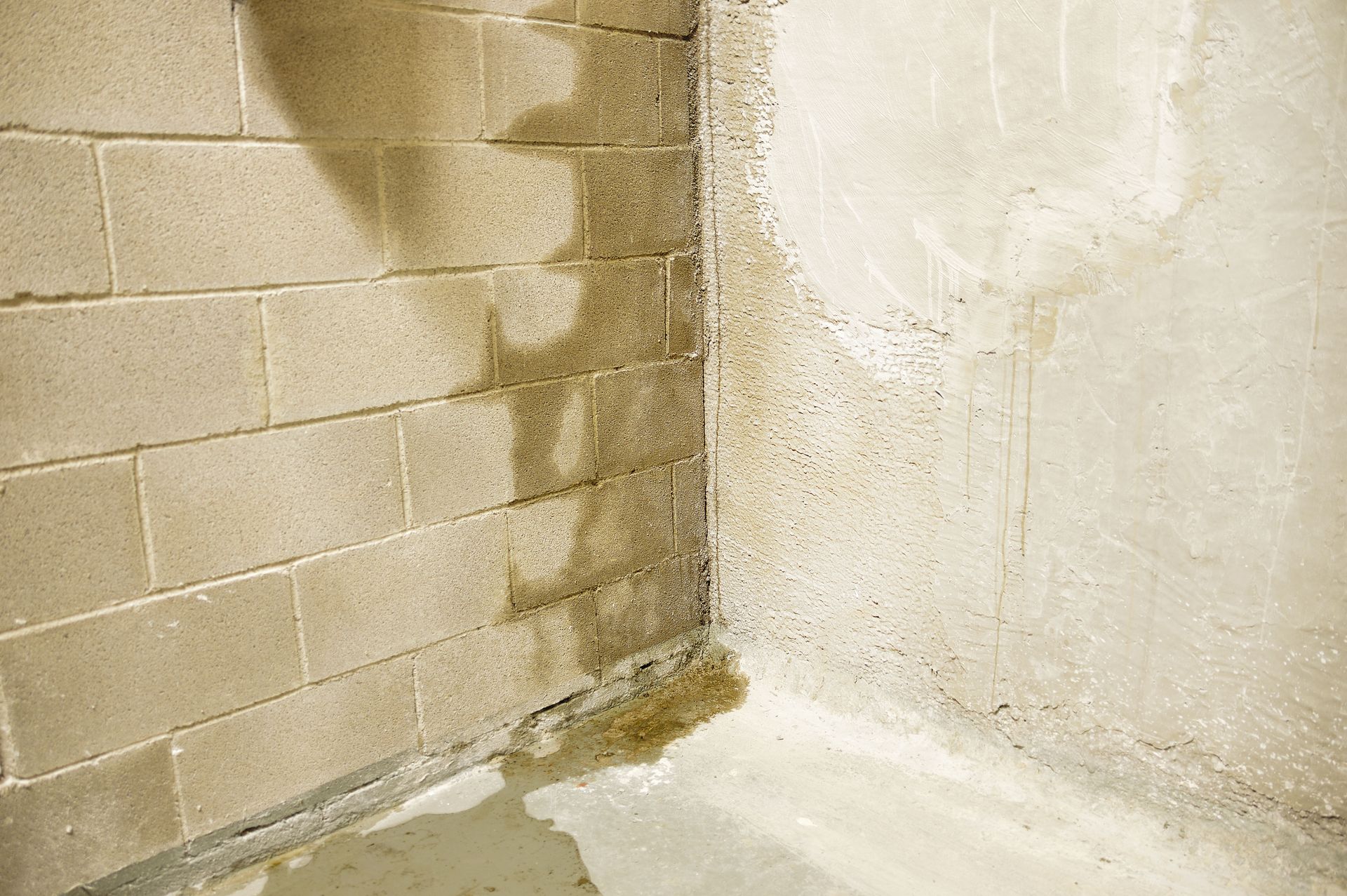
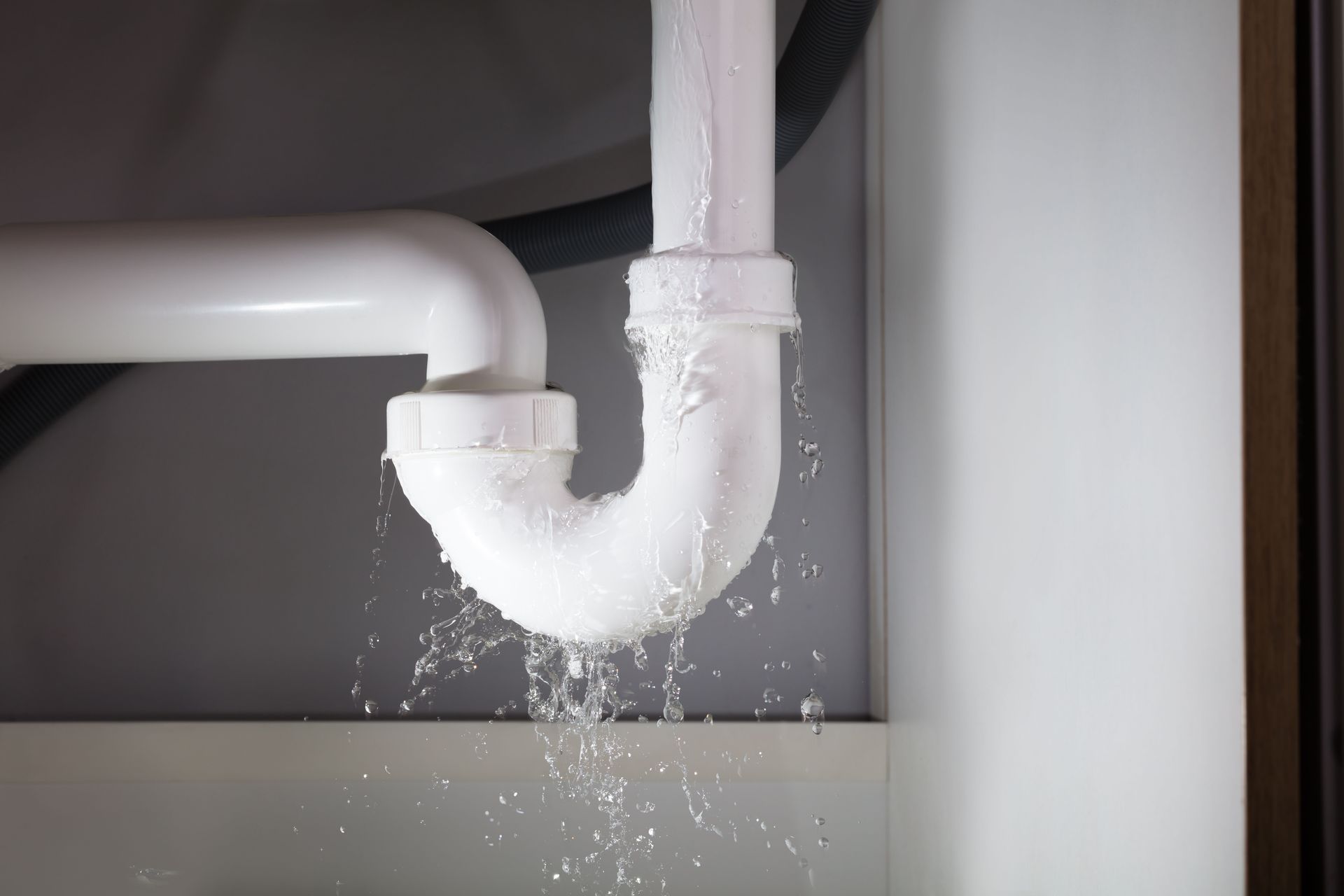
Bathrooms, kitchens, basements, and poorly ventilated storage areas are especially vulnerable. Plumbing leaks, roof damage, condensation, and flooding create conditions that encourage growth. Spores can travel through air currents and ventilation systems, potentially reaching additional damp surfaces. Musty odors, discoloration, peeling paint, and persistent moisture are common warning signs. Identifying these problems early helps homeowners determine whether professional black mold remediations are necessary.
Environmental Conditions That Increase Mold Risks
Excess moisture is the primary factor contributing to indoor mold development. High humidity, inadequate ventilation, and water intrusion allow spores to establish colonies on susceptible surfaces. Homes in humid climates or buildings with aging plumbing and roofing systems may experience recurring problems. Even small leaks can create substantial damage when moisture remains trapped behind walls or beneath flooring.
According to HomeGuide, water damage involving category 2 or category 3 contamination generally requires additional precautions and can increase remediation costs compared with category 1 clean-water incidents. Contaminated water introduces additional hazards that require appropriate protective measures. Homeowners should inspect vulnerable areas regularly, especially after storms, plumbing failures, or appliance leaks. Prompt moisture control reduces the likelihood of widespread contamination and expensive structural repairs.
Health Implications of Black Mold Exposure
Exposure to indoor mold can trigger sneezing, coughing, nasal congestion, irritated eyes, and skin reactions. Individuals with asthma may experience worsening symptoms when exposed to mold spores or fragments. Children, older adults with underlying conditions, people with allergies, and individuals with weakened immune systems may face additional health concerns. However, symptoms and sensitivity vary considerably between individuals.
Although some molds produce mycotoxins, the presence of dark-colored mold does not automatically establish a specific toxic exposure or predict severe illness. Evidence does not support attributing every unexplained neurological or chronic symptom to household black mold. Nevertheless, persistent dampness and visible contamination warrant attention. Arranging black mold remediations when appropriate can help eliminate growth and correct the moisture conditions contributing to exposure.
Living with recurring mold problems can also create stress and uncertainty, particularly when damage affects bedrooms or frequently occupied spaces. Anyone experiencing persistent respiratory symptoms should consult a qualified healthcare professional. Individuals with severe breathing difficulties should seek urgent medical attention rather than attempting cleanup themselves.
Assessing Mold Infestations in Indoor Spaces
Effective mold assessment begins with identifying visible growth, unusual odors, and potential moisture sources. Homeowners can inspect accessible surfaces around sinks, windows, appliances, and basement walls. However, hidden contamination may develop inside wall cavities, beneath flooring, or around concealed plumbing. Moisture meters and thermal imaging equipment can help trained inspectors locate suspicious damp areas that require further investigation.
Consumer mold testing kits have limitations because spores are naturally present in many indoor and outdoor environments. Testing is not always necessary when visible growth is already apparent. Professional assessments are particularly useful when contamination is extensive, moisture sources remain unclear, or occupants have significant health vulnerabilities. Specialists can document affected materials, recommend containment procedures, and establish an appropriate restoration plan.
Determining the extent of damage also helps establish whether black mold remediations require specialized equipment or removal of contaminated building materials. Porous materials such as carpeting, ceiling tiles, and heavily damaged drywall may need replacement when thorough cleaning is impractical.
Effective Techniques for Mold Removal
Successful mold removal requires addressing the underlying moisture problem rather than simply covering visible discoloration. Small areas of mold on hard, nonporous surfaces can sometimes be cleaned using detergent and water, followed by complete drying. Homeowners should wear appropriate protective equipment and avoid disturbing contaminated materials unnecessarily. People with asthma, allergies, or weakened immune systems should generally avoid performing mold cleanup.
Larger projects often require professional containment, protective equipment, HEPA-filtered air cleaning, and careful removal of damaged materials. Remediation specialists may isolate work areas to limit the movement of contaminated dust into unaffected rooms. HEPA vacuuming and appropriate surface cleaning can support the removal of remaining particles.
Advanced equipment, including commercial dehumidifiers and air filtration devices, can help manage environmental conditions during black mold remediations. However, ozone generators, fogging treatments, and ultraviolet devices should not be considered substitutes for physical mold removal and moisture correction. Selecting qualified professionals familiar with established industry practices supports safer cleanup and more dependable results.
Using Mold-Resistant Materials During Repairs
Once contaminated materials have been removed and affected areas are dry, property owners can consider moisture-resistant construction products. Mold-resistant drywall, suitable insulation, and specialized coatings may provide additional protection in areas exposed to occasional humidity. Properly installed sealants around windows, plumbing fixtures, and other vulnerable openings can also reduce water intrusion.
These materials cannot prevent mold when persistent leaks or excessive humidity remain unresolved. Repairing drainage problems, improving ventilation, and ensuring building components dry completely are more important than relying on protective coatings alone. Combining durable materials with consistent moisture management supports long-term property preservation.
Preventative Measures Against Future Mold Growth
Preventing mold begins with maintaining appropriate indoor humidity. Homeowners should generally keep relative humidity below 60%, ideally between 30% and 50% when practical. Exhaust fans in bathrooms and kitchens help remove moisture generated by bathing and cooking. Dehumidifiers can provide additional support in basements and other damp environments.
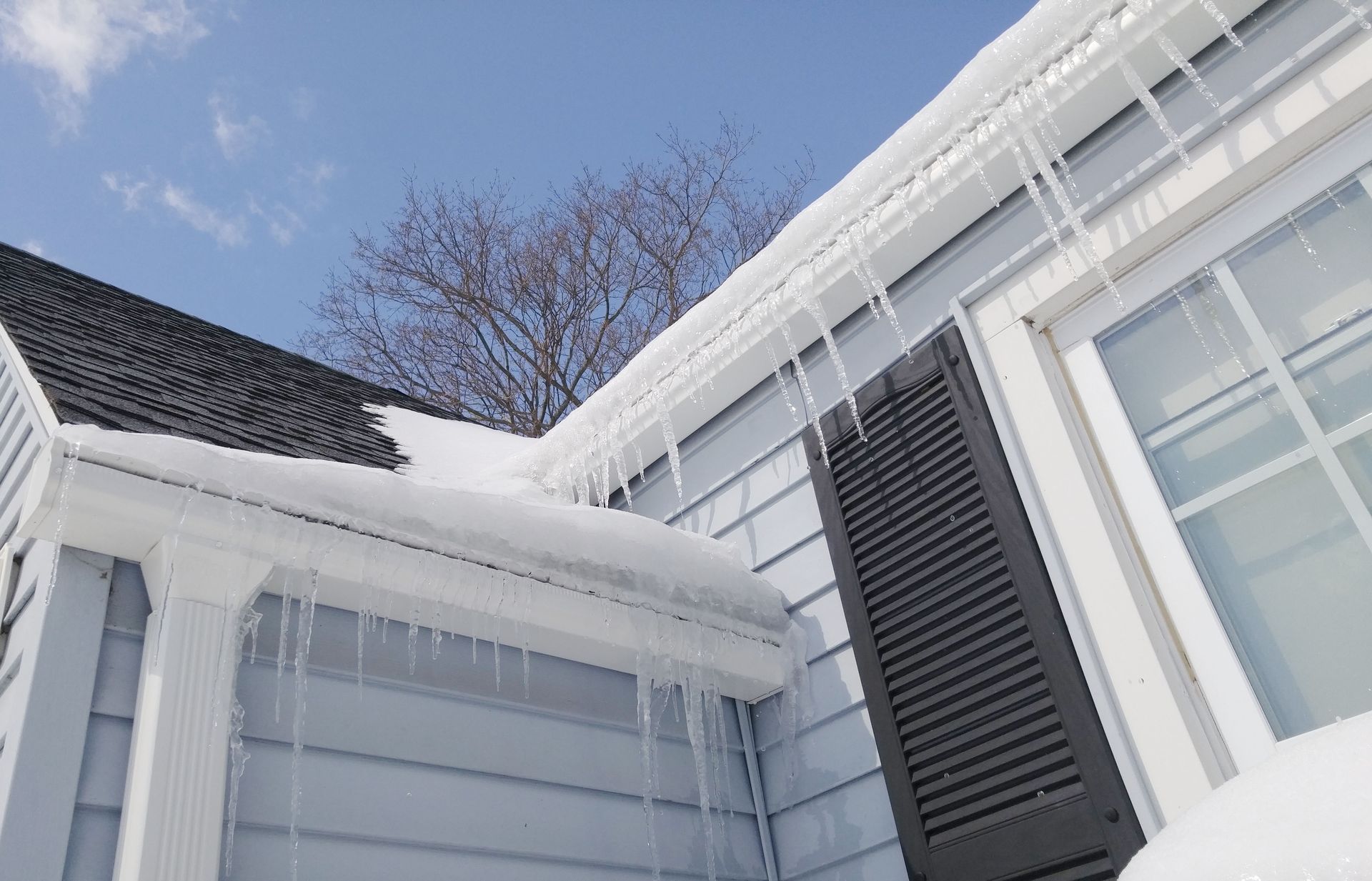
Routine property maintenance is equally important. Cleaning gutters, repairing roof damage, inspecting plumbing connections, and maintaining proper drainage reduce opportunities for water accumulation. Landscaping should direct runoff away from foundations, while vegetation near exterior walls should allow adequate airflow. Water-damaged materials should be dried as quickly as possible, preferably within 24 to 48 hours.
Household members should also understand how to recognize leaks, condensation, and musty odors. Establishing simple reporting and inspection routines helps identify developing problems before extensive black mold remediations become necessary. Consistent prevention protects building materials while supporting a more comfortable indoor environment.
Legal and Insurance Considerations for Mold Damage
Homeowners insurance coverage for mold varies according to policy language and the original cause of damage. Some policies may cover mold resulting from a sudden, covered water event, while excluding damage associated with ongoing leaks, flooding, or inadequate maintenance. Coverage limits, deductibles, and exclusions should be reviewed before beginning major restoration work.
Photographs, repair invoices, moisture readings, inspection reports, and correspondence with insurance representatives can support the claims process. Property owners should document damage promptly while taking reasonable steps to prevent additional losses. Obtaining detailed estimates from qualified restoration professionals can also clarify the anticipated scope of repairs.
Landlords and tenants may have separate responsibilities under applicable housing laws and lease agreements. Landlords generally must address conditions that violate relevant habitability requirements, while tenants should promptly report suspected leaks or contamination. Legal obligations vary by jurisdiction, making local guidance important when disagreements arise.
Regular inspections, improved ventilation, prompt leak repairs, and responsible restoration practices help maintain healthier indoor conditions. By taking preventative action and responding quickly to moisture problems, homeowners can protect their properties, reduce recurring mold concerns, and create safer, more comfortable living spaces. Contact RESTORx today and learn more about our black mold remediation services.