January 16, 2026
Experiencing a house fire is one of the most traumatic events a homeowner can endure. Once the flames are extinguished and the first responders have left, the path to recovery begins. However, the period immediately following the disaster is often filled with confusion and high emotions, which can lead to critical errors. Engaging in fire damage restorations is a highly technical process that requires more than just a surface-level cleaning. Avoiding common pitfalls during the early stages of recovery is essential to ensuring your home is safe, habitable, and restored to its pre-loss condition without unnecessary financial or structural complications.
The urgency for proper restoration protocols is becoming increasingly relevant as environmental risks shift across the country. According to Disaster Philanthropy, by 2052, half of the people at risk of wildfire will live in the South. This growing threat means that more homeowners will need to understand the complexities of smoke, soot, and structural compromise. Whether a fire is caused by a kitchen accident or a natural disaster, the restoration process must be handled with precision. By learning from the mistakes of others, you can navigate your own recovery with confidence and ensure that your property is protected from secondary damage.
Entering the Property Too Soon
The most dangerous mistake a homeowner can make is entering a fire-damaged building before it has been cleared by professionals. Even if the fire was contained to a single room, the structural integrity of the entire house may be compromised. Roof supports, floor joists, and wall studs can be weakened by extreme heat, posing a risk of collapse that isn't always visible to the untrained eye. Professional teams specializing in fire damage restorations prioritize a structural assessment to ensure that the environment is stable before any cleaning or salvage efforts begin.
Beyond structural risks, the air quality inside a fire-damaged home is often toxic. Fires release a cocktail of chemicals from burning plastics, synthetic fabrics, and building materials. These particulates can cause severe respiratory distress if inhaled without proper personal protective equipment. Additionally, there is the risk of electrical shock or gas leaks if the utility lines were damaged during the event. Waiting for an official "all clear" from the fire department and your restoration partner is the only way to guarantee your physical safety during the initial walkthrough.
Attempting to Clean Soot Without Professional Equipment
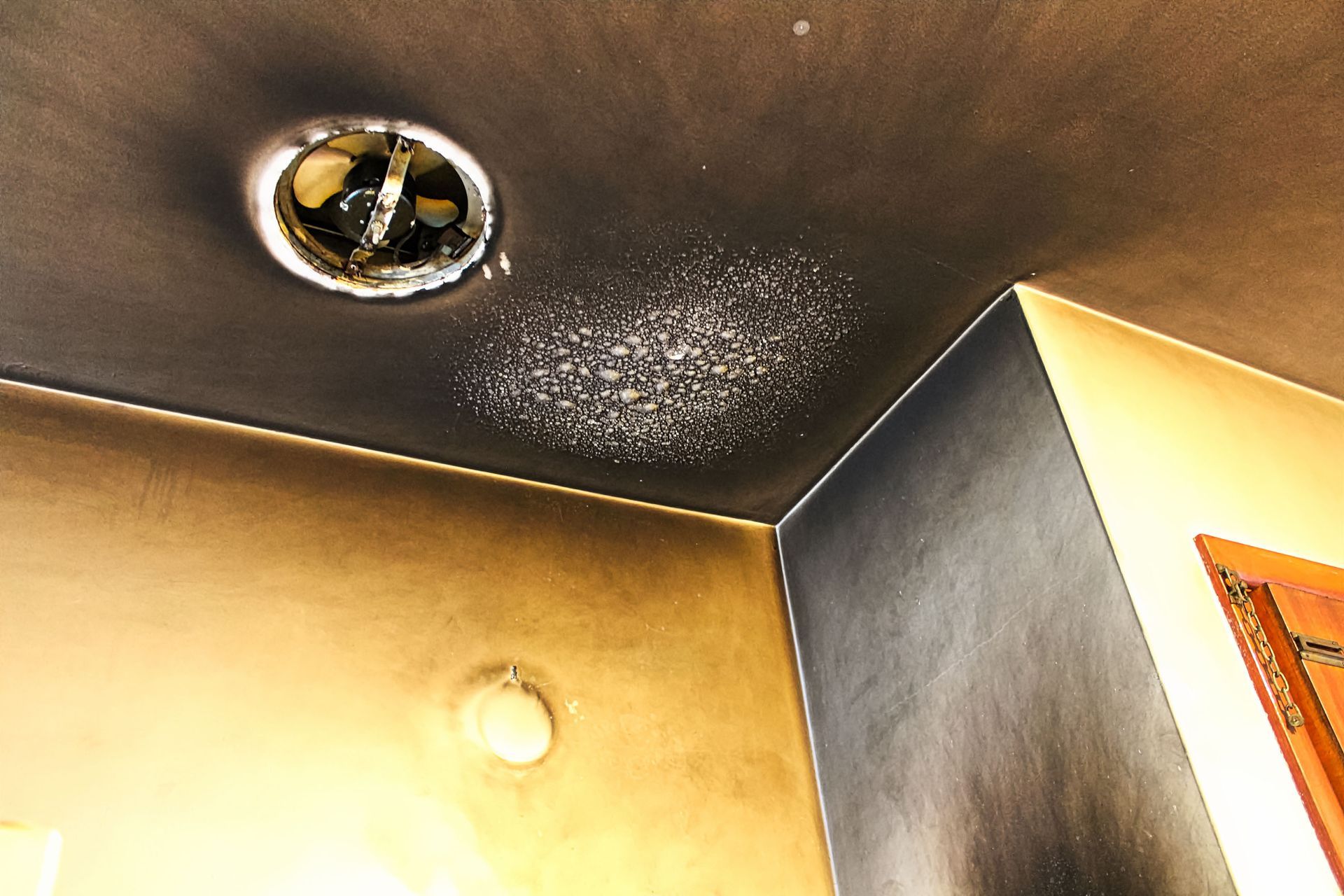
When homeowners see the black streaks of soot on their walls and furniture, their first instinct is often to grab a bucket of soapy water and start scrubbing. This is a significant mistake that can lead to permanent damage. Soot is not like ordinary dirt; it is acidic and oily. If you apply water or household cleaners to certain types of soot, you can inadvertently smear the particles deeper into the porous surfaces of your walls, cabinetry, and upholstery. This often results in permanent staining that could have been avoided with the right techniques.
Professional fire damage restorations utilize specialized dry-cleaning sponges and HEPA vacuums designed to lift soot without embedding it. There are different types of smoke residues—wet smoke, dry smoke, and protein residue—each requiring a specific chemical counteractant for removal. For example, the residue from a grease fire requires different cleaning agents than the ash from a wood-burning fire. By attempting to DIY this process, you risk ruining expensive finishes and significantly increasing the eventual cost of the professional restoration.
Ignoring the Dangers of Hidden Smoke Odors
Many people assume that once the visible soot is gone, the restoration is complete. However, smoke odors are incredibly persistent and can remain trapped inside wall cavities, insulation, and HVAC ductwork. Simply spraying air fresheners or opening windows is insufficient for true odor neutralization. If these hidden odors are not addressed during the fire damage restorations, they will continue to off-gas for months or even years, especially during periods of high humidity. This can make the home unpleasant to live in and can even trigger allergies or asthma.
Restoration experts use advanced technology such as thermal fogging and ozone generators to tackle odors at the molecular level. These processes penetrate the pores of the building materials to neutralize the scent rather than just masking it. Additionally, the HVAC system must be professionally cleaned and the filters replaced, as the furnace or air conditioner can act as a distribution system for smoke particles throughout the entire house. Neglecting these invisible elements of fire damage is a mistake that haunts many homeowners long after the physical repairs are finished.
Neglecting Potential Water Damage and Mold Growth
It is easy to forget that fire damage restorations often involve significant water damage as well. The thousands of gallons of water used by the fire department to douse the flames can saturate carpets, drywall, and hardwood floors. If this moisture is not addressed within 24 to 48 hours, mold growth becomes a secondary disaster. Many homeowners focus so much on the char and soot that they overlook the standing water in the basement or the dampness behind the walls, leading to an entirely new set of expensive problems.
A comprehensive restoration plan includes high-capacity dehumidifiers and air movers to dry the structure thoroughly. Moisture meters are used to ensure that the "hidden" areas, like the space behind baseboards and under cabinets, are completely dry. Failing to integrate water mitigation into your fire recovery plan is a recipe for structural rot and unhealthy indoor air quality. True restoration means treating the house as a whole system, addressing every element of the damage simultaneously to prevent long-term degradation.
Discarding Items Without Documenting for Insurance
In the rush to clean up, many homeowners throw away damaged items before they have been properly documented for their insurance claim. This can result in thousands of dollars in lost reimbursements. Insurance adjusters require proof of the loss, which typically involves photographs, descriptions, and sometimes the physical item itself. During fire damage restorations, a meticulous inventory should be created. Every charred piece of furniture, ruined appliance, and smoke-damaged clothing item needs to be accounted for to ensure you receive a fair settlement.
Professional restoration companies often provide "content pack-out" services, where they carefully document, clean, and store your salvageable belongings while the home is being repaired. They also help distinguish between what is truly lost and what can be restored through specialized ultrasonic cleaning or textile restoration. By throwing things away too quickly, you lose your evidence and your chance at recovery. Keeping a detailed log and working closely with your restoration team and insurance agent is the best way to maximize your claim and rebuild your life.
Recovering from a fire is an arduous process, but avoiding these common mistakes can make the journey significantly smoother. By prioritizing safety, documenting your losses, and trusting the technical expertise required for deep cleaning and odor removal, you protect the future of your home. Fire damage restorations are about more than just rebuilding walls; they are about restoring the safety and comfort of your sanctuary.
When the unthinkable happens, you need a partner who understands the science of recovery and the urgency of your situation. At RESTORx, we are dedicated to helping you navigate every step of the restoration process with transparency and care. Call RESTORx today to learn more about our comprehensive services and how we can help you get back into your home as quickly and safely as possible.